
Table of Contents
- Introduction to the Istanbul Real Estate Market in 2026
- Navigating the Market: High-Yield vs. High-Growth Properties for Sale in Istanbul
- District-by-District Investment Analysis
- Analyzing ROI and Yields for Properties for Sale in Istanbul
- Strategic Financing and Exit Planning for Real Estate Investors
- Regulatory Landscape, Taxes, and Turkish Citizenship in 2026
- RAD GLOBAL Vision
- Frequently Asked Questions (FAQ)
Introduction to the Istanbul Real Estate Market in 2026
Istanbul stands as one of the world’s most compelling transcontinental real estate hubs, bridging Europe and Asia with unmatched geographic and economic significance. As an international investor or homebuyer evaluating properties for sale in Istanbul, navigating this massive metropolis requires a deep understanding of its localized micro-markets. With over 15 million residents, rapid urbanization, continuous expansion of mega-infrastructure, and high international trade volume, the city offers diverse real estate opportunities ranging from high-yield residential apartments to luxury waterfront mansions.
In 2026, the Turkish property market has matured into a sophisticated landscape driven by institutional standards, transparent valuation processes, and sustained demand from both foreign capital and domestic buyers. However, achieving superior return on investment (ROI) or long-term capital appreciation depends heavily on choosing the right neighborhood. Whether your target is generating steady passive rental income or securing significant capital gains, discerning buyers seeking properties for sale in Istanbul must analyze neighborhood dynamics, infrastructure developments, rental yields, and liquidity profiles before committing capital.
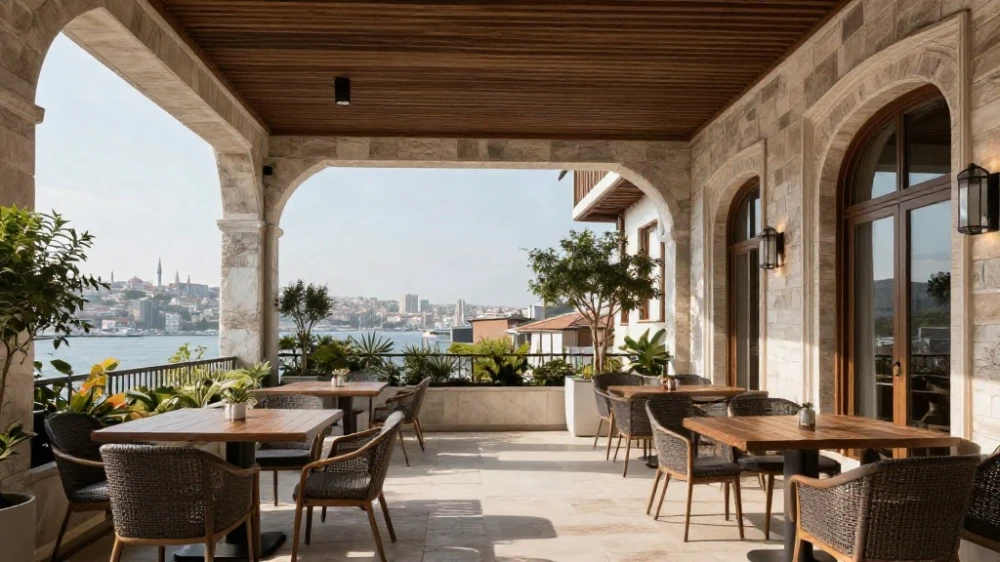
Navigating the Market: High-Yield vs. High-Growth Properties for Sale in Istanbul
When structuring a real estate portfolio in Turkey, smart investors categorize real estate into two primary strategic buckets: immediate rental yield generators and high capital growth plays. Combining both within a single asset is rare, which makes asset allocation and location selection paramount to investment success.
High-yield real estate typically resides in expanding suburban corridors or urban transformation zones. These locations offer lower entry pricing per square meter, strong demand from local young professionals or university students, and higher gross rental yields that can reach 7% to 9% annually. Conversely, high-growth assets are situated in prime central business districts or along historic waterfront areas. While initial purchase prices are higher and gross rental yields may hover between 3.5% and 5%, these prime properties command exceptional long-term capital appreciation and unmatched market liquidity during exit scenarios.
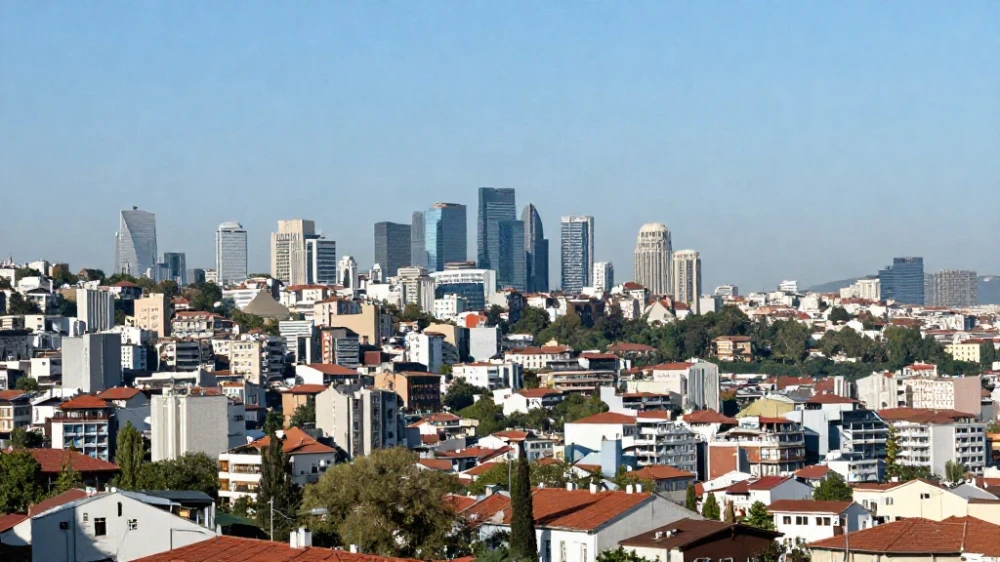
District-by-District Investment Analysis
To assist in making data-driven acquisition decisions, we break down Istanbul’s key real estate zones into detailed geographic categories. Each district exhibits unique price points, tenant demographics, and economic growth drivers.
1. Central & Historic Core: Levent, Maslak, and Şişli
The central business districts (CBD) of European Istanbul—specifically Levent, Maslak, and Şişli—represent the financial heartbeat of the city. Buying high-end residential or commercial properties for sale in Istanbul within these central hubs provides access to corporate tenants, international executives, and affluent domestic residents.
- Maslak & Levent: Known for modern skyscrapers, corporate headquarters, and high-end mixed-use developments. Properties here retain strong value resilience even during economic fluctuations. Rental demand is dominated by corporate leasing and white-collar professionals.
- Şişli & Bomonti: Bomonti, in particular, has undergone a massive urban revival. It features luxury residential towers close to Taksim and Nişantaşı, offering consistent demand for medium-to-long-term rentals with luxury lifestyle amenities.
- Yield vs. Appreciation Profile: Moderate rental yields (3.5% – 5.0%), high resilience, and exceptional capital retention.
2. Waterfront Elegance: Beşiktaş, Kadıköy, and Üsküdar
Coastal real estate along the Bosphorus strait on both European and Asian sides offers finite supply and legendary prestige. Investing in waterfront properties for sale in Istanbul focuses primarily on wealth preservation, luxury living, and long-term asset security.
- Beşiktaş (European Side): Encompasses ultra-luxury neighborhoods such as Bebek, Arnavutköy, and Etiler. Real estate supply is extremely constrained due to historical building regulations, creating a continuous upward trajectory for asset values.
- Kadıköy & Moda (Asian Side): Kadıköy has emerged as the cultural powerhouse of the Asian shore. Neighborhoods like Moda and Caddebostan attract high-net-worth individuals, expats, and creative professionals. The iconic Bağdat Avenue represents one of the world’s premier retail and high-end residential strips.
- Üsküdar & Kandilli: Offering rich Ottoman heritage, verdant green hills, and panoramic Bosphorus views, properties in Kandilli and Çengelköy are sought after by multi-generational family buyers and luxury investors.
- Yield vs. Appreciation Profile: Lower rental yields (3.0% – 4.5%), but top-tier long-term value preservation and high international demand.
3. Emerging Suburban Growth Corridors: Basın Ekspres, Beylikdüzü, and Başakşehir
Investors seeking strong rental performance and moderate entry prices should look closely at western expansion corridors. Modern master-planned properties for sale in Istanbul across these districts benefit directly from major municipal infrastructure projects, airport connectivity, and new metro lines.
- Basın Ekspres Highway: Positioned as Istanbul’s strategic secondary business district connecting the E-5 and TEM highways. The area features modern high-rise compounds, home-office complexes, and proximity to Istanbul Airport logistics networks.
- Başakşehir: A planned municipality favored by families and international buyers seeking modern gated communities, vast public parks (such as Kayaşehir Botanical Park), world-class healthcare cities (Çam and Sakura City Hospital), and comprehensive shopping facilities.
- Beylikdüzü: Located along the Marmara Sea coast, Beylikdüzü offers modern residential complexes with landscaped gardens, international schools, and seaside marinas (West Istanbul Marina). It offers higher rental yields driven by middle-class domestic families and long-term foreign residents.
- Yield vs. Appreciation Profile: Strong rental yields (6.0% – 8.0%), strong localized demand, and steady middle-market liquidity.
4. Transformation Hotspots: Esenyurt and Küçükçekmece
For entry-level real estate investors, budget-friendly properties for sale in Istanbul are largely concentrated in urban regeneration zones. These districts present opportunity alongside the need for careful due diligence.
- Küçükçekmece: Benefiting from its position along Küçükçekmece Lake and major transport links (Metrobus and Marmaray train line), this area has transformed rapidly with high-density housing projects and commercial hubs.
- Esenyurt: Offers some of the lowest price-per-square-meter rates in the metropolitan region. While rental yields can look appealing on paper, asset selection must be conducted meticulously to ensure proper licensing, high construction quality, and reputable project management.
- Yield vs. Appreciation Profile: High gross rental yields (7.0% – 9.0%), low entry cost, but variable property quality requiring thorough legal verification.
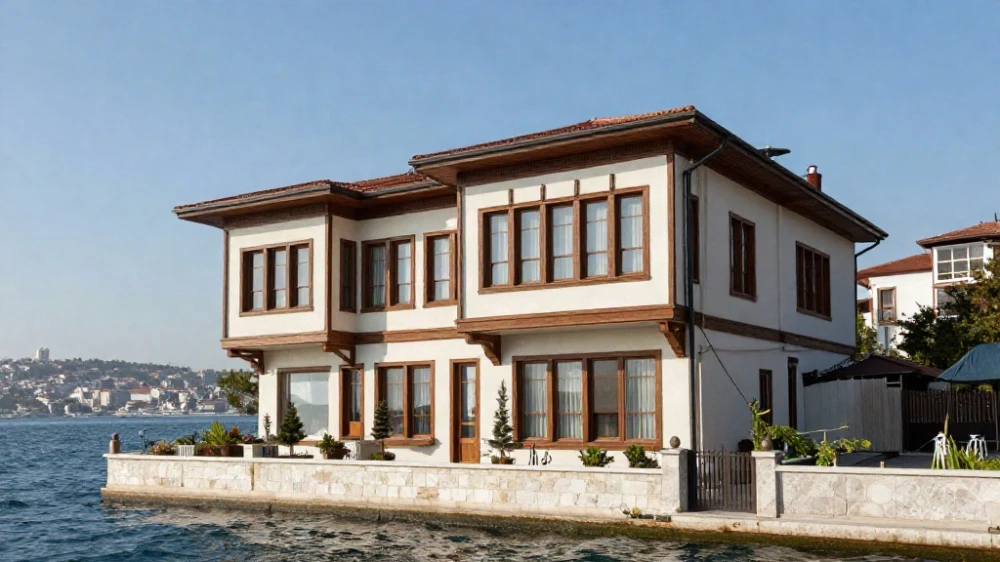
Analyzing ROI and Yields for Properties for Sale in Istanbul
Evaluating financial performance across neighborhood classifications requires looking at both cash flow (rental yield) and total return (rental yield + capital appreciation). The table below illustrates comparative investment metrics for key Istanbul real estate sectors in 2026:
| District / Micro-Market | Avg. Price / sq.m (USD) | Est. Gross Rental Yield | Primary Demand Drivers | Liquidity Index |
|---|---|---|---|---|
| Maslak / Şişli (CBD) | $3,800 – $6,500 | 4.0% – 5.2% | Corporate Expats, Executives | High |
| Beşiktaş / Bosphorus | $6,000 – $14,000+ | 3.0% – 4.2% | Ultra-HNWIs, Wealth Storage | Moderate / High |
| Kadıköy / Moda | $3,200 – $5,500 | 4.2% – 5.5% | Affluent Locals, Expats | High |
| Basın Ekspres Corridor | $1,800 – $2,800 | 6.2% – 7.8% | Young Professionals, Businesses | Moderate |
| Başakşehir | $1,600 – $2,400 | 5.8% – 7.2% | Families, Healthcare Staff | Moderate |
| Beylikdüzü / Marina | $1,200 – $1,900 | 6.5% – 8.5% | Middle-Class Tenants, Expats | High |
When analyzing commercial-adjacent properties for sale in Istanbul, yields often scale higher when units are managed by corporate operator agreements or short-term hospitality management firms. However, investors must factor in maintenance fees, building management charges, and property management overhead when transitioning from gross to net yield calculations.
Strategic Financing and Exit Planning for Real Estate Investors
Structuring your acquisition strategy requires analyzing purchasing mechanisms and exit routes before acquiring title deeds. Real estate buyers must choose between capital deployment strategies depending on global macroeconomic conditions and local liquidity.
When deciding on financial structure, comparing cash purchase versus mortgage investment decisions helps international buyers balance immediate cash flow against leveraged capital appreciation. Cash purchases often unlock significant negotiations on developer pricing, upfront discounts, and simplified title deed transfer procedures without bank encumbrances.
Furthermore, an investor should always establish clear horizon strategies. Developing a clear, structured framework based on a comprehensive guide to investment property exit strategies enables owners to identify optimal selling windows, maximize capital gains tax exemptions after five years of ownership, and liquidate secondary market holdings efficiently to domestic or international buyers.
Regulatory Landscape, Taxes, and Turkish Citizenship in 2026
The regulatory framework governing real estate purchases in Turkey is transparent and welcoming to foreign nationals. However, remaining compliant with local property laws, valuation reports, and tax regulations is critical.
Official transaction tracking and economic statistics released by official data from the Turkish Statistical Institute (TUIK) confirm that overseas buyers continue to represent a dynamic demographic within Istanbul’s real estate ecosystem. Foreign buyers acquisition requirements include mandatory official property valuation reports (Expertise Report) prior to title deed transfers to ensure transaction transparency and protect buyer equity.
Key Regulatory Considerations for 2026:
- Turkish Citizenship by Investment Program: Foreign investors acquiring real estate valued at or above $400,000 USD (and holding the asset for a minimum of 3 years) remain eligible to apply for Turkish citizenship along with qualifying family members. Selected properties for sale in Istanbul must meet strict valuation requirements to qualify for this path.
- Title Deed Transfer Fee (Tapu Harcı): Totaling 4% of the declared property value, typically split equally (2% each) between buyer and seller, though contractual negotiations may vary.
- Value Added Tax (KDV): Ranges from 1% to 20% depending on property type, net area, and location. In many cases, foreign buyers purchasing directly from primary developers without Turkish residency may qualify for KDV exemptions subject to tax conditions.
- Capital Gains Tax Exemptions: Real estate held by individual owners for more than five consecutive calendar years is exempt from capital gains tax upon resale under Turkish tax legislation.
RAD GLOBAL Vision
RAD GLOBAL Building Trust. Shaping Vision. Creating Legacy.
Frequently Asked Questions (FAQ)
What is the average rental yield for properties in Istanbul in 2026?
Average rental yields vary considerably based on location and property category. Central luxury districts like Şişli, Beşiktaş, and Kadıköy typically generate gross yields between 3.5% and 5.2%, whereas rapidly developing outer districts such as Beylikdüzü, Basın Ekspres, and Esenyurt offer higher average gross yields ranging from 6.0% to 8.5%.
Which districts offer the highest capital growth potential?
High capital growth trajectories when acquiring residential or commercial properties for sale in Istanbul are concentrated in prime central business hubs (Maslak, Levent), prime waterfront districts (Beşiktaş, Üsküdar), and infrastructure-backed growth corridors along major transport arteries like Basın Ekspres and the TEM Highway.
Can foreign nationals buy real estate anywhere in Istanbul?
Foreign investors can purchase property across the majority of Istanbul’s districts. However, statutory restrictions prohibit foreign ownership in military zones, security sectors, and designated agricultural land. In addition, total real estate holdings by foreign nationals cannot exceed 10% of the total land area in any single private district.