
Table of Contents
- Introduction
- Why You Need a Real Estate Consultant in Istanbul
- Mistake 1: Skipping Deep Market Research
- Mistake 2: Falling for Unrealistic “Guaranteed” Returns
- Mistake 3: Overlooking Legal Due Diligence and Title Deed Checks
- Mistake 4: Miscalculating the Total Cost of Ownership
- Mistake 5: Buying Without a Clear Exit Strategy
- How to Choose the Right Real Estate Consultant in Istanbul
- Frequently Asked Questions (FAQs)
Introduction
Istanbul is a vibrant metropolis where East meets West, offering a dynamic and rapidly evolving property market. For international buyers, the sheer scale of the city—spanning two continents and dozens of distinct neighborhoods—can be both exhilarating and overwhelming. Without local expertise, navigating this sprawling landscape often leads to costly missteps. This is where the guidance of a professional real estate consultant in istanbul becomes indispensable for securing a safe and profitable transaction.
Buying property abroad is never just about finding a beautiful apartment; it is about understanding legal frameworks, local market trends, and hidden costs. In 2026, as Istanbul’s urban regeneration projects and infrastructure developments continue to reshape the city, making an informed decision is more critical than ever. In this comprehensive guide, we will analyze the most common mistakes foreign buyers make when purchasing property in Turkey and outline actionable steps to avoid them, ensuring your investment journey is seamless and highly secure.

Why You Need a Real Estate Consultant in Istanbul
The Turkish property market operates under its own unique set of regulations, cultural nuances, and bureaucratic procedures. Many buyers assume they can manage the process independently using online portals. However, online listings are frequently outdated, misleadingly priced, or lacking crucial context regarding the surrounding neighborhood’s future development plans.
A dedicated real estate consultant in istanbul acts as your local advocate, fiduciary, and market analyst. They bridge the language barrier, verify the authenticity of listings, negotiate competitive prices, and coordinate with legal experts to ensure that every document is fully compliant with Turkish law. Their primary objective is to align your personal or financial goals with the realities of the local market, saving you time, money, and unnecessary stress.
Mistake 1: Skipping Deep Market Research
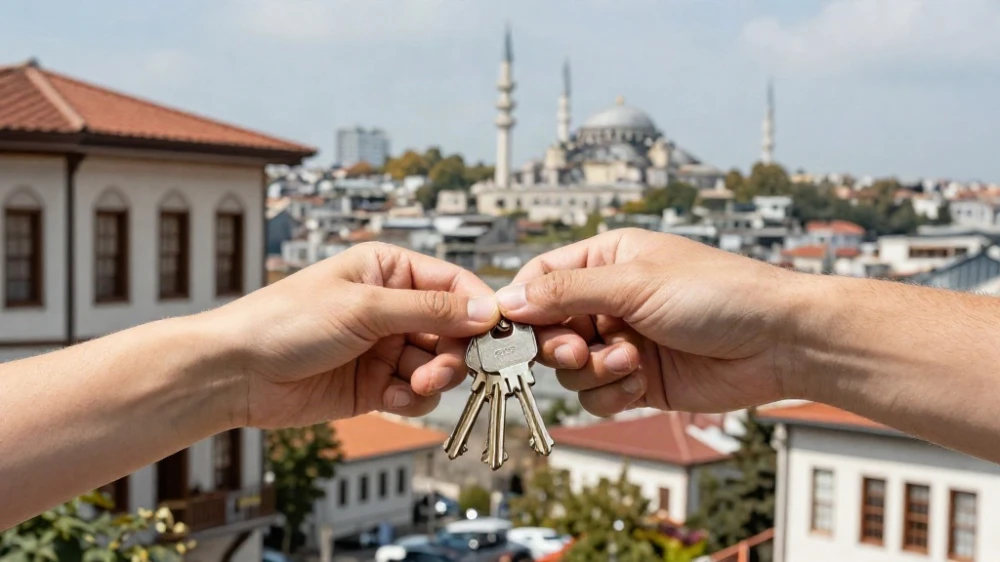
One of the most frequent errors buyers make is failing to conduct thorough, localized market research. Istanbul is not a single real estate market; it is a collection of hundreds of micro-markets, each with its own supply-and-demand dynamics, average price per square meter, and demographic profile. Buying a property in a historical district like Fatih requires a completely different strategy than investing in a modern high-rise in Beylikdüzü or Basın Ekspres.
Foreign buyers often fall in love with a property’s interior design or view without evaluating the neighborhood’s long-term potential. Is the area oversaturated with similar rental properties? Are there planned transport links, such as new metro lines, that will boost capital appreciation? To get an objective view of the market, it is highly recommended to consult official economic data and independent geographical assessments, such as those provided on Wikipedia, to understand the administrative boundaries, demographics, and historical growth patterns of Istanbul’s diverse districts.
How to Avoid This Mistake
- Analyze District Demographics: Understand who lives in the area and who your potential tenants or future buyers will be.
- Track Historical Price Trends: Do not just look at today’s price. Ask your real estate consultant in istanbul for historical data showing how property values in that specific district have performed over the last five years.
- Visit at Different Times: If possible, visit the neighborhood during the day, at night, and during rush hour to assess traffic, noise levels, and overall atmosphere.
Mistake 2: Falling for Unrealistic “Guaranteed” Returns
In a competitive market, some developers and unlicensed agents attract buyers by promising exceptionally high rental guarantees (e.g., 8% to 10% annually in USD) or unrealistic capital growth projections. While legitimate rental guarantee programs do exist, many inflated promises are simply marketing gimmicks designed to sell overpriced units. In some cases, the developer builds the “guaranteed return” directly into the inflated purchase price of the property, meaning you are essentially paying for your own returns in advance.
Working with an ethical real estate consultant in istanbul helps you filter out these deceptive offers. A professional consultant will analyze the local rental market to determine if the projected rental yield is mathematically realistic based on current market rates and vacancy statistics in that specific development.
How to Avoid This Mistake
- Demand a Market Comparison: Compare the price of the property offering the guarantee with similar properties in the immediate vicinity that do not offer guarantees. If the price difference is substantial, the guarantee is likely priced in.
- Investigate the Guarantor: Evaluate who is guaranteeing the rental income. Is it a financially stable, reputable management company, or a shell company that could disappear tomorrow?
- Focus on Organic Demand: Always prioritize properties that can naturally attract tenants based on location, quality, and amenities, rather than relying solely on a contractual guarantee.
Mistake 3: Overlooking Legal Due Diligence and Title Deed Checks
In Turkey, the title deed is known as the “Tapu”. It is the ultimate legal proof of ownership. However, purchasing a property without conducting rigorous legal due diligence on the Tapu can lead to catastrophic financial losses. Many buyers do not realize that a property can have outstanding debts, mortgages (ipotek), tax liens, or court disputes attached to it, which transfer to the new owner upon purchase.
Furthermore, it is vital to verify the property’s construction status and municipal compliance. Many buildings lack an “Iskan” (habitation certificate), which proves the building was constructed in accordance with approved architectural plans and safety regulations. Operating without an Iskan can result in utility surcharges, fines, or difficulties in securing mortgages for future buyers.
How to Avoid This Mistake
- Hire an Independent Lawyer: Never rely solely on the developer’s lawyer or the seller’s agent. Retain an independent real estate lawyer who will work alongside your real estate consultant in istanbul to perform a comprehensive title deed search at the Land Registry Office.
- Verify the Iskan: Insist on seeing the habitation certificate before signing any binding agreements or transferring funds.
- Check for Easements and Liens: Ensure the property is free and clear of any encumbrances that could restrict your ownership rights or financial security.
Mistake 4: Miscalculating the Total Cost of Ownership
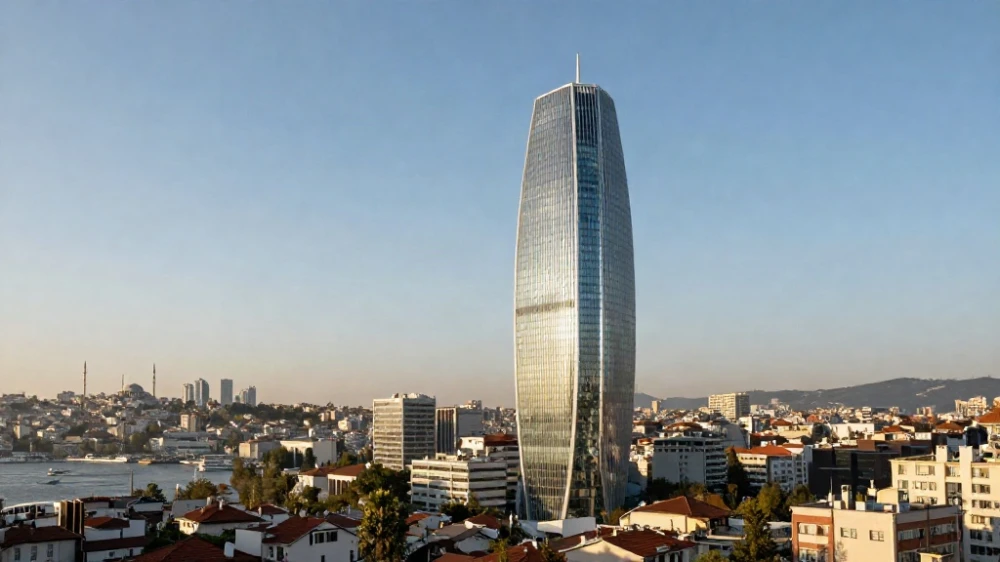
When planning their budget, many international investors only look at the advertised listing price of the property. They fail to account for the secondary transaction costs, which can add an additional 5% to 8% to the overall purchase price. This oversight can disrupt financial planning and create unexpected cash flow issues during the closing process.
Understanding these costs upfront is a key benefit of hiring a transparent real estate consultant in istanbul. They will provide you with a detailed breakdown of all associated fees long before you reach the signing table.
Key Expenses to Include in Your Budget
| Expense Item | Approximate Cost / Percentage | Responsible Party |
|---|---|---|
| Title Deed Transfer Tax (Tapu Harcı) | 4% of the declared property value | Usually split 2% and 2% (often paid fully by buyer in practice) |
| Real Estate Agent/Consultant Fee | Typically 2% + VAT | Buyer and Seller (subject to agreement) |
| Property Valuation Report (Ekspertiz) | Varies depending on property size | Buyer |
| Notary & Translation Fees | Variable based on document volume | Buyer |
| Compulsory Earthquake Insurance (DASK) | Annual fee based on property square footage | Buyer |
Mistake 5: Buying Without a Clear Exit Strategy
Whether you are buying a property for lifestyle purposes, capital growth, or to qualify for the Turkish Citizenship by Investment program, you must plan your exit strategy before you buy. Under current Turkish regulations, investors qualifying for citizenship must hold their property for a minimum of three years. However, holding a property for only the minimum period and expecting an effortless resale is a common misconception.
Some properties are highly liquid and easy to resell to both local and international buyers, while others are incredibly difficult to liquidate. For example, large-scale projects located far from the city center with thousands of identical units often suffer from high competition among sellers, which depresses resale prices. A strategic real estate consultant in istanbul will steer you toward properties that possess strong appeal for the local Turkish market, which constitutes the vast majority of real estate transactions in the country.
RAD GLOBAL Building Trust. Shaping Vision. Creating Legacy.
How to Avoid This Mistake
- Target Local Demand: Invest in areas where middle-to-high-income local professionals want to live. This ensures you are not solely reliant on the foreign buyer market when it is time to sell.
- Evaluate Unit Uniqueness: Choose properties with unique selling points, such as a premium view, a corner layout, or proximity to key transport hubs, which make them stand out in resale listings.
- Understand Tax Implications: Be aware that if you sell your property within five years of purchase, you may be subject to Capital Gains Tax in Turkey. Plan your holding period accordingly to optimize your returns.
How to Choose the Right Real Estate Consultant in Istanbul
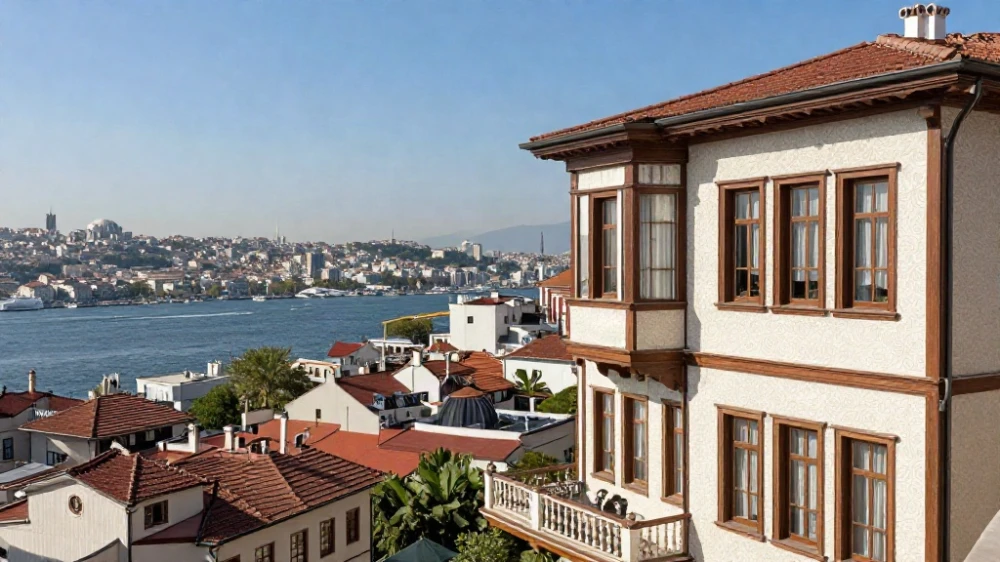
The real estate market in Istanbul is highly competitive, and not all consultants offer the same level of integrity, experience, and professionalism. To safeguard your investment, it is crucial to work with an agency that prioritizes your interests over making a quick sale.
When looking for a qualified real estate consultant in istanbul, ensure they meet the following criteria:
- Proper Licensing: Verify that the consultant or agency holds the necessary government licenses (such as the Taşınmaz Ticareti Yetki Belgesi) required to legally operate as real estate brokers in Turkey.
- Proven Track Record: Look for established companies with a history of serving international clients and positive testimonials from verified buyers.
- Comprehensive Service Suite: Choose a consultant who offers end-to-end services, including property sourcing, legal coordination, valuation report acquisition, title deed transfer assistance, and post-sale property management.
- Objective, Data-Driven Advice: Avoid consultants who use high-pressure sales tactics or refuse to show you a variety of options from different developers. A great consultant provides objective pros and cons for every property presented.
By partnering with a trusted advisor, you transform a potentially risky transaction into a highly secure, profitable, and stress-free investment that supports your long-term wealth accumulation and lifestyle goals.
Frequently Asked Questions (FAQs)
Can foreigners safely buy property in Turkey without being physically present?
Yes, foreigners can buy property in Turkey remotely. By granting a Power of Attorney (POA) to a licensed lawyer or a trusted real estate consultant in istanbul, the entire process—including property selection, legal checks, contract signing, and title deed transfer—can be executed securely on your behalf without requiring your physical presence in the country.
What is the minimum investment required for Turkish Citizenship in 2026?
In 2026, the Turkish Citizenship by Investment program requires a minimum real estate investment of $400,000 USD. The property must be held for at least three years, and the valuation report must match the purchase price declared on the title deed. It is essential to work with an experienced real estate consultant in istanbul to ensure the selected property fully complies with all government regulations for citizenship.
What is the difference between “Kat İrtifakı” and “Kat Mülkiyeti” on a Turkish title deed?
“Kat İrtifakı” refers to construction servitude, indicating that the building is still under construction or has not yet received its final habitation certificate, though the shares of the land have been allocated. “Kat Mülkiyeti” represents full ownership of a completed independent unit that has successfully obtained its “Iskan” (habitation certificate). Transitioning from construction servitude to full ownership is highly desirable for long-term legal security.