
Table of Contents
- 1. Introduction: The 2026 Istanbul Real Estate Landscape
- 2. Key Market Trends Shaping Buying Property in Istanbul
- 3. Prime Investment Districts and Emerging Hotspots
- 4. Financial Models: Cash Capital vs. Structured Leverage
- 5. Legal Framework, Citizenship, and Tax Considerations
- 6. Maximizing ROI and Portfolio Exit Strategies
- 7. Step-by-Step Process for Foreign Buyers
- 8. Frequently Asked Questions

1. Introduction: The 2026 Istanbul Real Estate Landscape
For global investors seeking dynamic capital growth and robust rental yields, buying property in Istanbul represents one of the most strategic real estate opportunities in the transcontinental market. Situated as a vital economic bridge between Europe and Asia, Istanbul continues to capture international interest through massive infrastructure expansion, urban renewal projects, and steady population growth. In 2026, the city’s real estate ecosystem is characterized by a shift toward high-quality, earthquake-resistant master-planned developments, modern commercial hubs, and premium coastal residences.
Navigating this complex landscape requires a clear understanding of macroeconomic indicators, district-specific dynamics, and regulatory developments. Whether you are aiming for capital appreciation, portfolio diversification, or acquiring Turkish citizenship through real estate investment, identifying the right entry point is crucial. This comprehensive guide explores current market trends, financial structuring options, legal frameworks, and high-yield locations across both the European and Asian sides of the city.
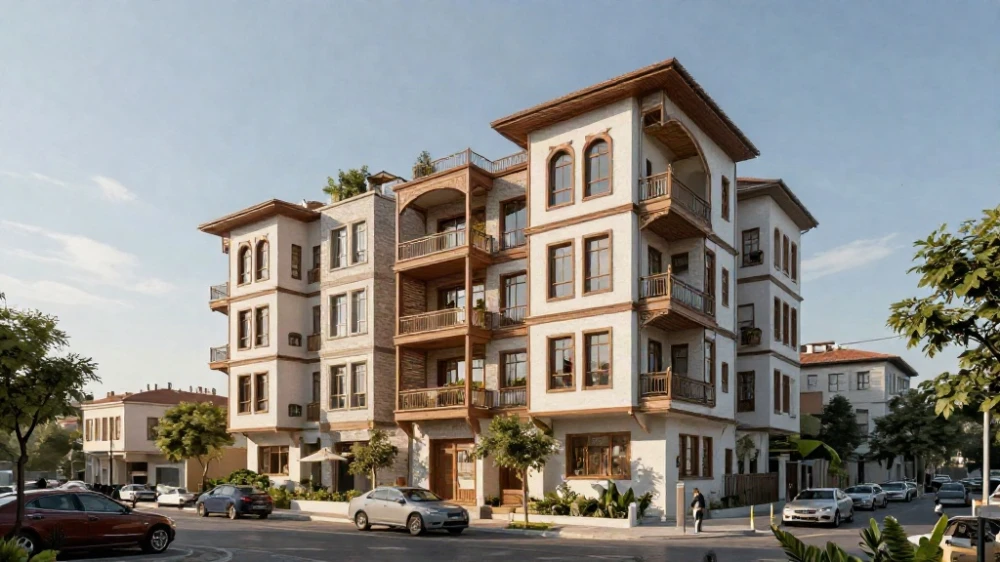
2. Key Market Trends Shaping Buying Property in Istanbul
Understanding current economic drivers is essential before committing capital. In recent years, several macro trends have redefined the parameters for international buyers evaluating property acquisitions across the metropolitan area.
Urban Transformation and Modern Infrastructure
Istanbul’s municipal authorities and top-tier developers have prioritized urban regeneration (Kentsel Dönüşüm) to replace older stock with earthquake-engineered, modern luxury complexes. Neighborhoods undergoing systemic urban renewal are seeing rapid capital appreciation. Furthermore, the expansion of the M11 metro line connecting Istanbul Airport directly to central business districts like Levent and Gayrettepe has significantly enhanced accessibility, driving up residential and commercial valuation along major transportation corridors.
Shift Toward Sustainable and Lifestyle-Centric Communities
Modern homebuyer preferences have evolved substantially. Premium buyers are moving away from isolated high-rise towers toward gated master-planned communities that offer expansive green spaces, smart home integration, private security, and onsite commercial facilities. High-net-worth individuals evaluating options for buying property in Istanbul increasingly prioritize proximity to international schools, healthcare facilities, and waterfront promenades.
To explore luxury waterfront developments firsthand, watch this showcase of the prestigious Yedi Mavi project in Istanbul.
Resilient Rental Yields Driven by Domestic Demand
Istanbul maintains a thriving domestic rental market supported by a young population, a influx of domestic professionals, and a growing international expat community. Statistical data from the Turkish Statistical Institute (TÜİK) demonstrates consistent housing demand across metropolitan districts, ensuring that residential properties in central business hubs maintain high occupancy rates and reliable rental yield profiles throughout changing economic cycles.
3. Prime Investment Districts and Emerging Hotspots
Location selection dictates both rental yield potential and long-term capital expansion. When assessing pathways for buying property in Istanbul, investors must distinguish between mature, high-barrier luxury zones and rapidly growing urban corridors.
| District | Location Side | Primary Investment Appeal | Target Investor Profile |
|---|---|---|---|
| Zeytinburnu & Bakırköy | European Side | Seafront luxury complexes, coastal access | High-net-worth end users & capital growth |
| Basın Ekspres Corridor | European Side | Commercial hubs, rental liquidity | Buy-to-let investors seeking high rental yield |
| Kadıköy & Moda | Asian Side | Cultural hub, high domestic tenant demand | Long-term capital preservation & steady income |
| Maslak & Seyrantepe | European Side | Financial centers, corporate headquarters | Executive rentals & premium commercial assets |
The European Waterfront: Zeytinburnu and Bakırköy
The Marmara coastline along Zeytinburnu and Bakırköy has transformed into one of Istanbul’s premier luxury real estate corridors. Projects in this strip offer panoramic sea views, direct access to coastal highways, and close proximity to the Historic Peninsula. Due to limited supply along the coastline, these properties command strong capital retention and cater to high-profile international buyers.
The Central Business Districts: Maslak, Levent, and Seyrantepe
Maslak and Levent remain the financial beating heart of the European side. Demand in these districts is continuously buoyed by multinational corporate headquarters, luxury shopping malls, and top-tier universities. Investors focused on steady corporate tenant demand often concentrate their efforts on these core districts, where high occupancy rates support competitive rental returns.
The Asian Side Dynamic: Kadıköy, Üsküdar, and Ataşehir
The Anatolian (Asian) side offers distinct investment advantages, characterized by lower density, superior urban planning, and rich cultural amenities. Kadıköy and Moda attract dynamic domestic demographics, while Ataşehir—home to the Istanbul Financial Center (IFC)—serves as a primary magnet for commercial real estate and luxury residential investments targeting finance professionals.
4. Financial Models: Cash Capital vs. Structured Leverage
Determining the optimal capital structure is a vital milestone when structuring your property purchase. Foreign buyers frequently weigh the advantages of full equity payments against foreign-currency mortgaging or developer-backed installment plans.
Opting for a direct cash purchase often unlocks immediate negotiation leverage, enabling buyers to secure substantial upfront discounts from developers or private sellers. Conversely, utilizing flexible installment plans offered by master developers allows investors to distribute capital across project construction phases while hedging currency fluctuations. When deciding between immediate equity deployment and structured leverage, examining comprehensive guide models on comparing cash purchases with mortgage financing strategies provides valuable insights for optimizing your risk-adjusted returns.
Furthermore, rental return modeling must account for maintenance fees (Aidat), property management charges, and local property taxes (Emlak Vergisi). In premier residential compounds, net yields typically range between 5% and 8% annually, depending on whether the unit is leased on a long-term residential contract or managed as a short-term executive corporate apartment.
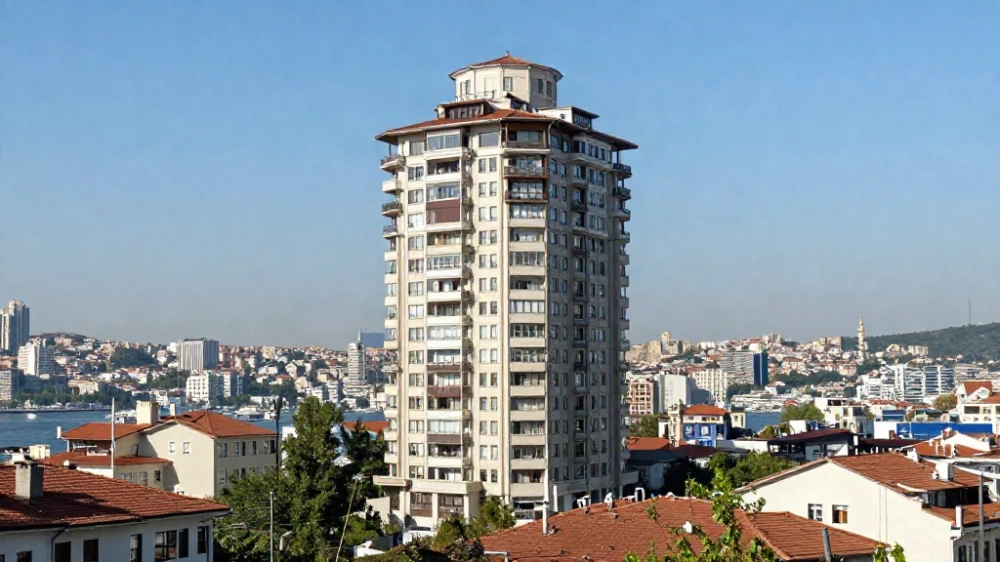
5. Legal Framework, Citizenship, and Tax Considerations
Turkey’s regulatory environment for foreign real estate acquisitions is structured to encourage international direct investment while maintaining clear title security. Understanding these legal mechanics ensures a seamless ownership transition.
The Turkish Citizenship by Investment Program
A primary driver for foreign investors buying property in Istanbul remains the Turkish Citizenship by Investment framework. Foreign national buyers who acquire real estate valued at or above $400,000 USD (or equivalent foreign currency) and agree to retain ownership for a minimum of three years are eligible to apply for Turkish citizenship along with their immediate family members.
- Valuation Compliance: The official property appraisal report (Ekspertiz Raporu) must confirm a market value matching or exceeding the official citizenship threshold.
- Döviz Alım Belgesi (Currency Exchange Certificate): Foreign currency must be exchanged into Turkish Lira via the Central Bank of Turkey through an authorized commercial bank prior to title deed registration.
- Title Deed Encumbrance: A formal three-year non-sale restriction is registered directly on the title deed (Tapu) at the Land Registry Office.
Taxation Structure for Foreign Owners
Foreign property owners in Istanbul are subject to clear tax guidelines:
- Title Deed Transfer Tax (Tapu Harcı): Standardized at 4% of the declared purchase price, customarily split equally between buyer and seller unless negotiated otherwise.
- Value Added Tax (KDV): Ranges from 1% to 20% depending on property type, net area, and urban renewal status. Foreign non-resident buyers may qualify for a KDV exemption under specific conditions provided funds enter Turkey via official banking channels.
- Capital Gains Tax: Real estate held by individual investors for longer than five consecutive years is completely exempt from capital gains tax upon resale under current Turkish tax legislation.
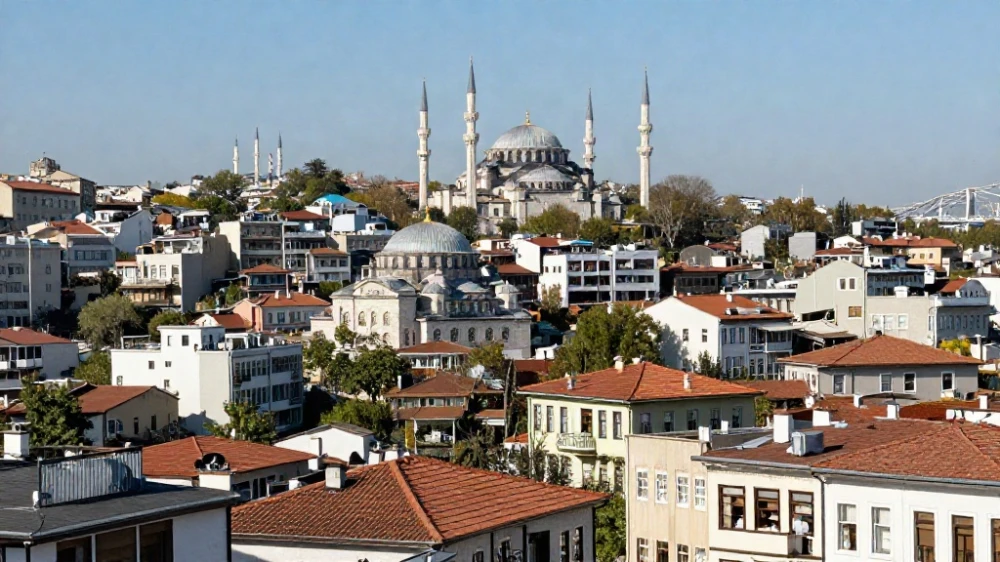
6. Maximizing ROI and Portfolio Exit Strategies
An investment strategy is incomplete without a clear liquid exit mechanism. Successful real estate investors map out their horizon prior to acquiring property, considering market liquidity, demographic trends, and currency dynamics.
When capital growth targets are met or the three-year citizenship holding restriction expires, execution timing becomes crucial. Resale properties located in well-maintained, centrally located compounds with strong management companies retain liquid demand among both domestic Turkish buyers and new foreign investors. Before committing capital, institutional and private investors benefit greatly from establishing formal parameters and planning a clear investment exit strategy to ensure seamless capital repatriation when liquidating assets.
Diversifying your portfolio across different unit configurations—such as purchasing a combination of 1-bedroom executive units for rental income and a 3-bedroom waterfront unit for capital growth—can also balance liquidity options during your intended exit window.
7. Step-by-Step Process for Foreign Buyers
Executing a real estate transaction in Turkey involves straightforward steps when guided by qualified legal and real estate advisors. Below is the operational roadmap for international buyers:
Step 1: Strategic Selection and Verification
Identify target properties aligned with your investment objectives. Ensure that the developer possesses clean title deeds, independent construction licenses, and full building approvals (İskan).
Step 2: Obtain Tax Identification Number and Open Bank Account
Obtain a Turkish Tax Identification Number (Vergi Kimlik Numarası) from any local tax office or online portal using your passport. Open a bank account at a commercial Turkish bank to handle official currency exchanges and transfer initial reservation deposits.
Step 3: Property Appraisal and Currency Exchange
Commission an independent valuation report from a licensed real estate appraisal firm certified by the Capital Markets Board (SPK). Process your foreign currency exchange through your local bank to secure the official Currency Purchase Certificate (Döviz Alım Belgesi).
Step 4: Title Deed (Tapu) Registration
Finalize the legal transaction at the local Land Registry Office (Tapu ve Kadastro Genel Müdürlüğü). Upon signature verification, payment of transfer fees, and registration approval, the official title deed (Tapu) is granted directly to the investor.
8. Frequently Asked Questions
Can foreign nationals buy property anywhere in Istanbul?
Foreign nationals can purchase real estate across the vast majority of Istanbul’s residential and commercial zones. However, statutory restrictions prevent foreigners from purchasing property located within designated military zone boundaries or acquiring more than 30 hectares of private land nationwide per individual foreign buyer.
What are the average rental yields when buying property in Istanbul today?
Gross rental returns in Istanbul typically range between 5% and 8% per annum for standard residential apartments. Commercial real estate assets and professionally managed short-term executive suites in central business hubs can yield higher gross figures, often ranging between 7% and 10% depending on tenancy terms and location.
Is buying property in Istanbul still eligible for Turkish Citizenship?
Yes, foreign investors acquiring property valued at a minimum of $400,000 USD (or equivalent foreign currency) qualify for the Turkish Citizenship by Investment program. The property must be held for at least three consecutive years under a formal title deed encumbrance registered at the Land Registry Office.