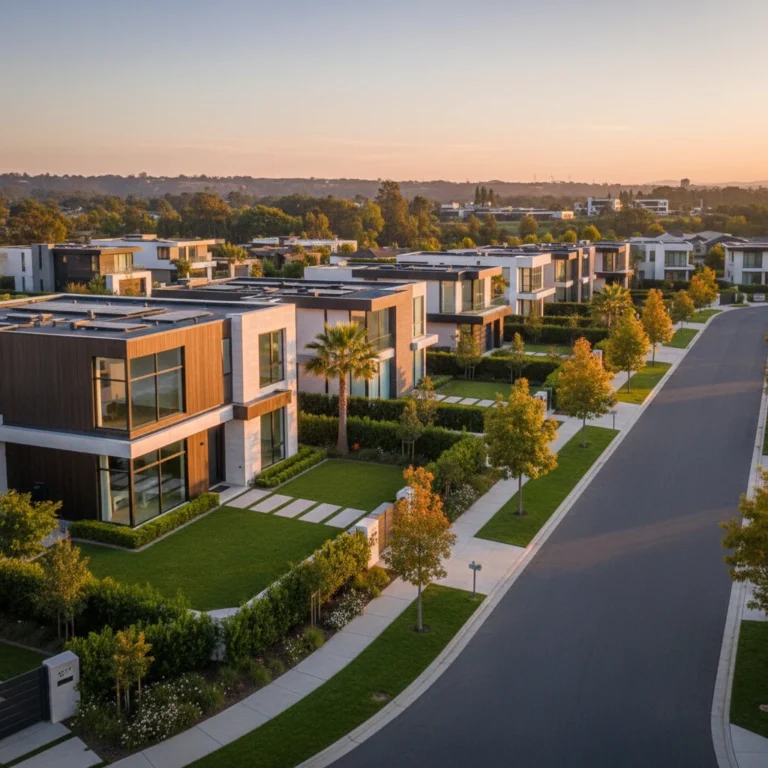


A polished brochure can sell aspiration. A strong development sells conviction.
For serious buyers, the top signals of a strong development are rarely the glossy finishes or the staging suite. They sit deeper – in the land choice, the developer’s discipline, the pricing logic, the buyer mix, and the project’s ability to remain desirable long after launch incentives disappear. In markets such as Istanbul and Dubai, where premium inventory can look compelling at first glance, knowing how to separate real quality from well-packaged momentum is what protects capital.
Why the top signals of a strong development matter
A development should be judged as an investment asset first and a marketing story second. That distinction matters more in international real estate, where buyers often assess opportunities across borders, currencies, and legal systems. Strong developments tend to reward patience because they are built on fundamentals that continue to attract end users, tenants, and resale buyers over time.
Weak projects can still generate early attention. Aggressive launch pricing, short-term payment plans, and visually impressive amenities often create the appearance of strength. But if the fundamentals are thin, that early heat can fade quickly. The result is slower leasing, soft resale performance, and limited pricing power when the market becomes more selective.
Signal 1: The location has durable demand, not just current hype
The first test is simple. Would this address remain attractive even without the project’s marketing campaign?
A strong development is usually anchored in a location with structural demand drivers. In Istanbul, that may mean established districts with transport access, urban regeneration momentum, commercial activity, and constrained future supply. In Dubai, it may mean proximity to major business corridors, waterfront value, lifestyle infrastructure, and areas with proven appeal to both end users and international tenants.
The key is durability. A location driven by one upcoming headline project or temporary excitement can outperform for a period, but it carries more volatility. By contrast, districts with layered demand tend to hold value more consistently. They attract residents because daily life works there, not because the brochure promises future prestige.
This is also where nuance matters. An emerging area is not automatically risky, and an established area is not automatically superior. The difference lies in whether the growth story is supported by infrastructure, employment, accessibility, and a believable demand base.
Signal 2: The developer’s track record shows consistency under pressure
A developer’s reputation should be measured by outcomes, not advertising presence.
Strong developers tend to show consistency across multiple cycles. They deliver on time or manage delays transparently. They maintain build quality from launch to handover. They understand product-market fit, and their completed projects perform credibly in the resale and rental markets. Perhaps most importantly, they protect buyer trust when conditions become less favorable.
That last point often gets missed. Many developers look capable in rising markets. The real test is how they behave when costs increase, absorption slows, or sentiment shifts. Do they preserve quality, honor commitments, and protect the project’s long-term positioning? Or do they dilute specifications, alter terms, or flood the market with reactive discounting?
For investors, a disciplined developer reduces execution risk. In premium real estate, execution is not a small detail. It is the difference between a project that matures into a desirable asset and one that peaks before completion.
Signal 3: Pricing is rational within its competitive set
One of the clearest top signals of a strong development is pricing discipline.
A project should make sense against nearby comparable stock, future supply, unit efficiency, and expected rental demand. If launch pricing sits materially above the market without a clear justification, buyers are often paying for branding rather than fundamentals. That can narrow upside and create friction at resale.
At the same time, pricing that looks unusually cheap deserves equal scrutiny. It may reflect weak location fundamentals, inferior specifications, problematic layouts, or a developer trying to compensate for low confidence. Value and discount are not the same thing.
The strongest projects are often priced with precision. They leave room for appreciation, but they do not rely on unrealistic assumptions to support the thesis. For sophisticated investors, that is a better sign than an artificially inflated launch narrative.
Signal 4: The design serves livability and liquidity
Good design is not only aesthetic. It is economic.
A strong development is designed for the way people actually live, work, and lease. Floor plans feel efficient rather than wasteful. Views, light, circulation, storage, and privacy are considered carefully. Amenities support the target resident profile instead of existing only for brochure impact.
This matters because livability drives both tenant retention and resale appeal. Units that photograph well but function poorly often underperform once the initial marketing window closes. By contrast, projects with thoughtful layouts and balanced common areas tend to maintain broader market appeal.
There is also a liquidity angle. The easiest units to exit are rarely the most unusual. They are the ones with practical layouts, credible price points, and a buyer profile that remains broad. For many investors, especially those entering from overseas, exit flexibility should be part of the acquisition decision from day one.
Signal 5: The buyer and tenant profile is credible
A development does not become strong because it sells quickly. It becomes strong when it attracts the right kind of demand.
Fast sales can be driven by incentives, speculation, or concentrated broker activity. None of those necessarily translate into healthy long-term performance. A stronger sign is a balanced mix of owner-occupiers, long-term investors, and tenants with genuine reasons to be in that location.
Why does this matter? Because buyer quality influences project stability. Developments dominated by short-term flippers can experience pricing volatility around completion. Projects with a healthier end-user and long-hold investor base often show better occupancy, more stable service charge payment behavior, and stronger community perception.
In prime markets, prestige alone is not enough. Demand depth matters. A development should appeal to more than a narrow speculative wave.
Signal 6: The project’s numbers work beyond the launch phase
Many developments look attractive only during the sales cycle. Strong ones continue to make sense after handover.
That means investors should look past payment plans and ask harder questions. What is the likely rental yield based on realistic market comps? How competitive will service charges be? Is the unit size efficient enough to support leasing demand? How much future supply is expected nearby? What does resale positioning look like if market conditions soften?
A development with long-term strength can usually answer these questions with logic, not optimism. It does not require perfect market conditions to perform respectably. It may not produce the most dramatic short-term upside, but it stands a better chance of preserving value through different cycles.
For affluent buyers focused on wealth preservation, that distinction is critical. Speculative upside can be attractive, but only when paired with downside awareness.
Signal 7: Legal and operational clarity are in place
A premium asset should not come with avoidable ambiguity.
Documentation, title structure, escrow arrangements where applicable, handover terms, community management planning, and post-purchase operating realities all deserve attention. In cross-border transactions, legal clarity is not administrative detail. It is part of the investment quality itself.
This becomes even more important for buyers evaluating acquisition for residency or citizenship-linked objectives. A project may appear attractive commercially, but if the transaction pathway, compliance process, or ownership structure creates complications, the overall risk profile changes.
Experienced advisory firms such as RAD Global often add value here by filtering projects not only for commercial appeal but for transaction integrity. That kind of discipline can save investors from expensive enthusiasm.
What investors often misread
The market does not always reward what is most visible.
Buyers often overvalue dramatic amenities, launch events, celebrity branding, and headline discounts. These can support a project, but they are not proof of strength. The stronger indicators are usually quieter – site selection, unit economics, developer behavior, demand composition, and long-term relevance.
There is also a tendency to assume that luxury branding guarantees resilience. Sometimes it does. Sometimes it simply creates a higher entry point. Premium positioning only holds if the underlying product and location justify it over time.
How to assess a development with more precision
A disciplined review starts with five questions. Is the location supported by lasting demand drivers? Has the developer earned trust through completed performance? Is the pricing defensible against true comparables? Will the unit remain easy to lease or resell? And does the deal still make sense once the launch incentives are stripped away?
If the answers are clear, the opportunity is usually worth serious attention. If the case depends on too many assumptions, caution is warranted. Good real estate investing is not about buying the loudest project. It is about identifying assets with enough quality, scarcity, and staying power to remain desirable when the market becomes less forgiving.
The best developments do not need exaggerated storytelling. Their strength is visible in the fundamentals, and over time, fundamentals have a way of revealing who bought well.