
Dubai rewards precision. Two properties can sit within a few miles of each other, carry similar finishes, and produce very different outcomes on rental performance, resale liquidity, and long-term appreciation. That is why identifying the best areas to invest in Dubai is less about chasing a trend and more about aligning location with investment intent.
For sophisticated buyers, the real question is not simply where demand exists today. It is where demand is durable, where supply is being absorbed intelligently, and where the profile of future buyers or tenants supports pricing power over time. Dubai offers all of those dynamics, but not evenly across every district.
How to judge the best areas to invest in Dubai
A strong Dubai investment location usually performs across four measures. First, it attracts sustained end-user or tenant demand rather than speculative interest alone. Second, it has credible infrastructure and a clear lifestyle proposition. Third, it benefits from disciplined developer activity or established inventory quality. Fourth, it offers a resale story that remains compelling beyond the first purchase cycle.
Yield matters, but yield without exit depth is incomplete. Prestige matters too, but prestige without entry discipline can compress returns. The best-performing acquisitions often sit where those forces are balanced rather than extreme.
Dubai Marina
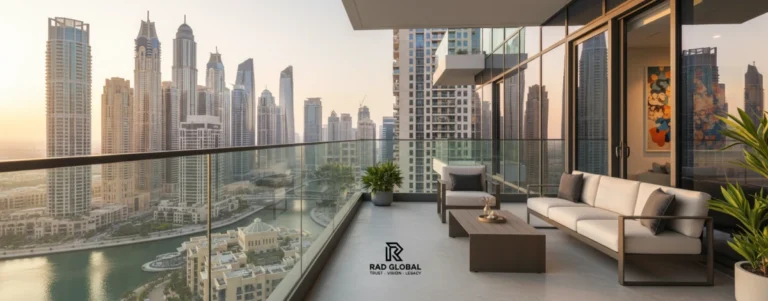
Dubai Marina remains one of the market’s most resilient investment districts because it solves for both lifestyle and liquidity. It is globally recognizable, highly walkable by Dubai standards, and consistently favored by professionals, short-term renters, and overseas buyers seeking a familiar waterfront address.
From an investment perspective, Marina benefits from constant rental demand and broad buyer recognition. That tends to support occupancy and resale activity even when sentiment softens elsewhere. The trade-off is that it is not an undiscovered market. Entry prices in strong towers can already reflect its mature status, so asset selection matters more than postcode alone. Building quality, service charge levels, marina frontage, and unit layout all shape performance.
For investors prioritizing dependable rental demand with an established exit audience, Marina remains one of the safest answers.
Downtown Dubai
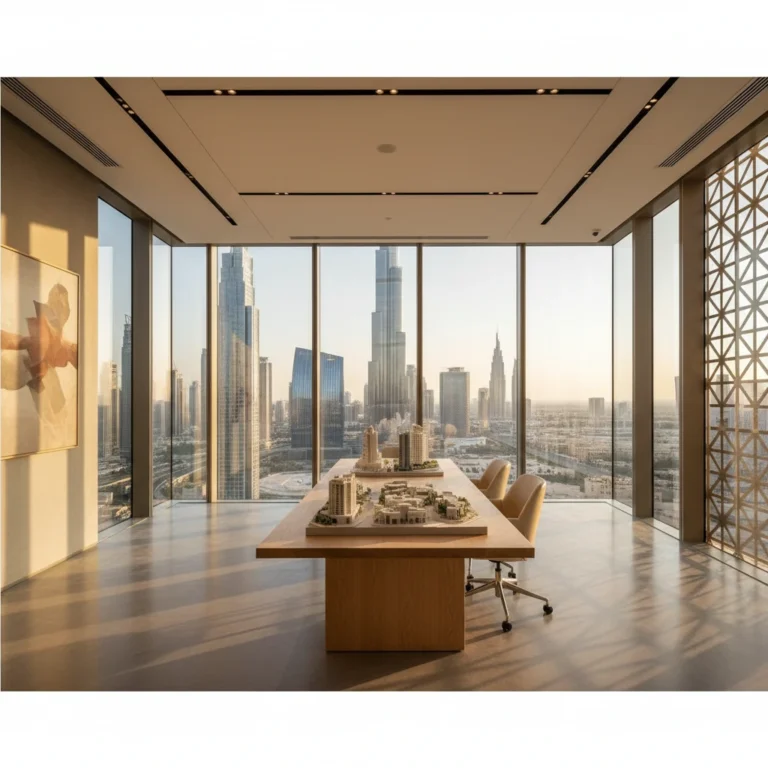
Downtown Dubai sits at the intersection of prestige, tourism, and corporate relevance. With landmarks, luxury hospitality, and premium retail clustered around it, the district carries exceptional global visibility. That matters because visibility supports buyer confidence, particularly among international purchasers entering the market for the first time.
This is often a capital preservation and status-driven play as much as an income strategy. Rental demand is strong, especially for well-positioned units with superior views or branded components, but buyers here should be realistic about the premium attached to the address. Not every Downtown acquisition will outperform on yield. However, prime inventory in tightly held buildings can hold long-term value exceptionally well.
For clients building a trophy-led portfolio with emphasis on legacy and prime-city exposure, Downtown deserves serious consideration.
Palm Jumeirah
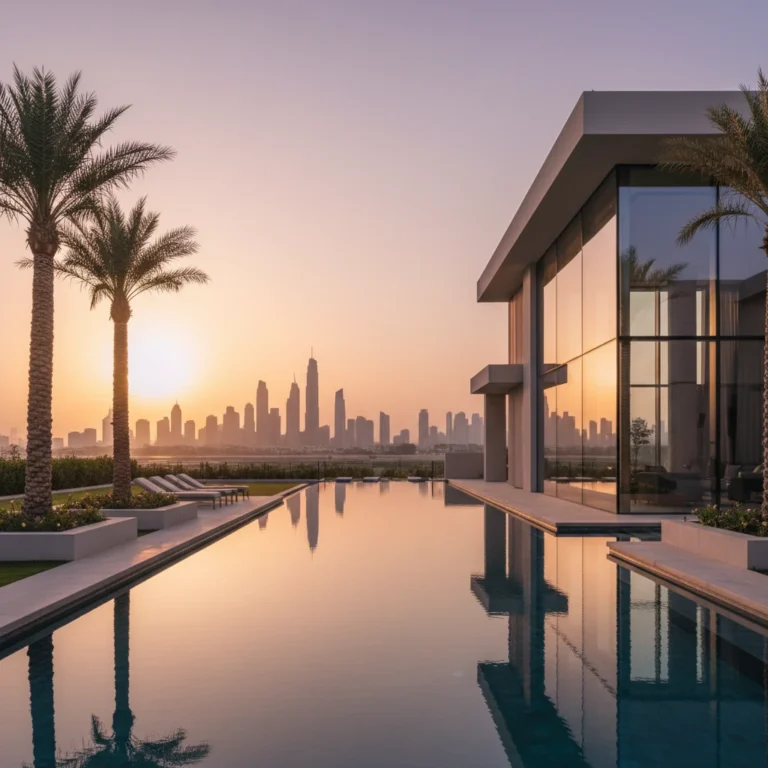
Palm Jumeirah is one of Dubai’s clearest examples of ultra-prime scarcity. Waterfront villas, branded residences, and select apartment buildings here appeal to buyers who value exclusivity first and numbers second. Yet that does not mean the investment case is purely emotional.
Prime assets on the Palm can benefit from constrained supply dynamics and a buyer pool that is less rate-sensitive than the broader market. This supports resilience at the top end. The right asset can also perform well in high-value short-term leasing, especially when design, beach access, and operator branding are aligned.
The caution is straightforward. Palm is highly asset-specific. Views, frond position, beach quality, building reputation, and renovation level can create major pricing gaps. Investors entering this market should avoid broad assumptions and underwrite each property on its own merits.
Business Bay
Business Bay has moved beyond its earlier identity as a mixed-quality extension of Downtown. Today, it is one of the city’s most active investment corridors, combining commercial energy, residential demand, and a growing collection of branded and design-led developments.
Its appeal lies in versatility. Business Bay attracts professionals, entrepreneurs, corporate tenants, and younger buyers who want central access without paying full Downtown premiums. That supports rental demand across multiple unit types, especially well-managed apartments with efficient layouts.
For investors, the upside is often relative value and appreciation potential tied to ongoing district maturation. The risk is inconsistency. Some projects command real premium positioning, while others remain ordinary stock in a better ZIP code. Careful filtering is essential. In this district, product selection often matters more than the macro story.
Jumeirah Village Circle
Jumeirah Village Circle, often referred to as JVC, continues to attract attention because it offers one of the clearest yield stories in Dubai. It appeals to a broad tenant base, including young professionals, couples, and families seeking more accessible rents while remaining connected to major parts of the city.
For income-focused investors, JVC can produce attractive returns, particularly in mid-market apartment stock with modern amenities and sensible service costs. The district has deepened significantly in terms of convenience and livability, which has helped convert it from a speculative growth zone into a functioning residential ecosystem.
Still, this is not a uniform market. Supply volume is a real consideration, and weaker buildings can struggle to differentiate. Investors who want strong cash flow can do very well here, but only if they are selective on developer track record, handover quality, and micro-location within the community.
Dubai Hills Estate
Dubai Hills Estate has emerged as one of the most balanced master communities in the city. It combines strong planning, green space, family appeal, and proximity to key business districts. That blend gives it unusual depth across both end-user and investor demand.
This area works particularly well for buyers who want exposure to family-led occupancy rather than transient tenant profiles alone. Schools, retail, parks, and healthcare access strengthen retention and support stable leasing. Over time, communities that people genuinely want to live in often show more durable value than locations driven only by short-term investor sentiment.
Dubai Hills is also broad enough to accommodate different entry points, from apartments to villas and branded luxury stock. The trade-off is that the community’s premium has risen as its reputation has strengthened. Buyers need to enter with a clear thesis about whether they want yield, family-driven leasing, or longer-term capital appreciation.
Dubai Creek Harbour
Dubai Creek Harbour appeals to investors who want a forward-looking position in a large-scale waterfront district with institutional-grade planning. It offers a cleaner, newer product set than many mature neighborhoods and has attracted buyers looking for a modern skyline environment with long-range growth potential.
The investment case here is tied to district evolution. As infrastructure, retail depth, and placemaking continue to mature, pricing can strengthen alongside perception. That makes it attractive for investors who are comfortable buying into a growth curve rather than paying peak pricing for a fully mature address.
Patience is part of the equation. Emerging prime districts rarely perform in a straight line, and some phases will command stronger demand than others. For strategic buyers with a medium- to long-term horizon, Creek Harbour remains one of the more compelling positioning plays in Dubai.
Arabian Ranches and established villa communities
Not every investor should be concentrated in apartments. Established villa communities such as Arabian Ranches serve a different but important segment of Dubai’s market – family households seeking space, privacy, and a predictable community environment.
These areas may not always lead the market on headline rental yield, but they can offer strong occupancy stability and resilient end-user demand. In periods when family relocation into Dubai increases, quality villa communities often benefit quickly because supply is more limited than in apartment-heavy districts.
This category suits investors who value longer tenant stays, lower turnover, and a more defensive ownership profile. It is especially relevant for buyers who see Dubai not only as a trading market, but as a city with growing long-term residential depth.
Which area fits your strategy best?
The best areas to invest in Dubai depend on the role the asset is meant to play in your wider portfolio. If liquidity and recognizable demand matter most, Dubai Marina and Downtown remain compelling. If ultra-prime scarcity is the priority, Palm Jumeirah stands apart. If you want central growth with broader tenant depth, Business Bay deserves attention. If yield is your core objective, JVC often enters the conversation. If you are building around family-led resilience and community quality, Dubai Hills and established villa districts offer a stronger fit. If you prefer future-facing waterfront growth, Dubai Creek Harbour is worth a disciplined look.
Serious investors do not buy areas. They buy specific assets inside strong areas, with timing, structure, and exit clarity already in mind. That is where premium advisory makes a meaningful difference, and it is why firms such as RAD Global focus on curation rather than volume.
Dubai still offers exceptional opportunity, but the advantage goes to buyers who stay selective. The right district opens the door. The right property is what creates the result.