


Table of Contents
- Introduction: Navigating Turkey Real Estate Residency Requirements
- Mistake 1: Misunderstanding the Minimum Property Valuation Limits
- Mistake 2: Falling for Incorrect Appraisal Reports and Tapu Values
- Mistake 3: Overlooking Foreign Exchange Certificates and Bank Transfers
- Mistake 4: Choosing Ineligible Locations and Restricted Zones
- Mistake 5: Neglecting Legal Due Diligence and Title Deed Encumbrances
- Comparing Key Aspects of Property Residency in Turkey
- Step-by-Step Guide to Securing Your Residence Permit Safely
- Frequently Asked Questions
- Turkey Real Estate Residency Requirements demand a clear understanding of financial thresholds, proper documentation, and legal compliance to secure your residence permit without delays.
- Failing to match the official appraisal report value with the declared title deed price is one of the most common mistakes investors make today.
- Working with qualified legal experts helps buyers avoid purchasing properties in closed neighborhoods or under encumbrances.
RAD GLOBAL Building Trust. Shaping Vision. Creating Legacy.
Introduction: Navigating Turkey Real Estate Residency Requirements
Investing in Turkish property has become a primary gateway for international buyers seeking a high quality of life, strategic location, and long-term residency. However, fulfilling all Turkey Real Estate Residency Requirements demands careful planning and thorough knowledge of current regulations. Many foreign buyers face unexpected obstacles simply because they misunderstand legal rules or rely on unverified information during their purchase process.
The Turkish real estate market offers incredible opportunities, but navigating the legal framework requires precision. Changes in immigration policy, monetary limits, and regional restrictions mean that buyers must strictly follow updated guidelines. Understanding Turkey Real Estate Residency Requirements ensures that your investment not only delivers great financial returns but also grants you legal peace of mind.
In this comprehensive guide, we examine the most common mistakes international investors make when applying for property-based residency in Turkey. We also provide actionable strategies to avoid these pitfalls, ensuring your path to acquiring a property residence permit is seamless, secure, and fully compliant with Turkish immigration laws in 2026.
Mistake 1: Misunderstanding the Minimum Property Valuation Limits
One of the most frequent errors foreign buyers commit involves misunderstanding the financial thresholds mandated by the government. Over the past few years, regulations regarding Turkey Real Estate Residency Requirements have evolved to regulate foreign ownership and ensure genuine investment. Failing to keep up with these updated monetary limits can completely jeopardize your residence permit application.
Historically, lower thresholds applied to property investments aimed at securing residency. Today, the Turkish Directorate General of Migration Management enforces a standardized minimum threshold across the country. Buyers often assume that buying any residential unit allows them to qualify, but meeting the exact Turkey Real Estate Residency Requirements requires your property to meet or exceed the official minimum valuation figure established by immigration authorities.
To avoid this mistake, always verify that the declared sale price meets current regulatory criteria before signing any binding agreements. Reviewing the updated Turkey Real Estate Residence Permit Requirements guide can help you calculate exact minimum investments based on property location and classification.
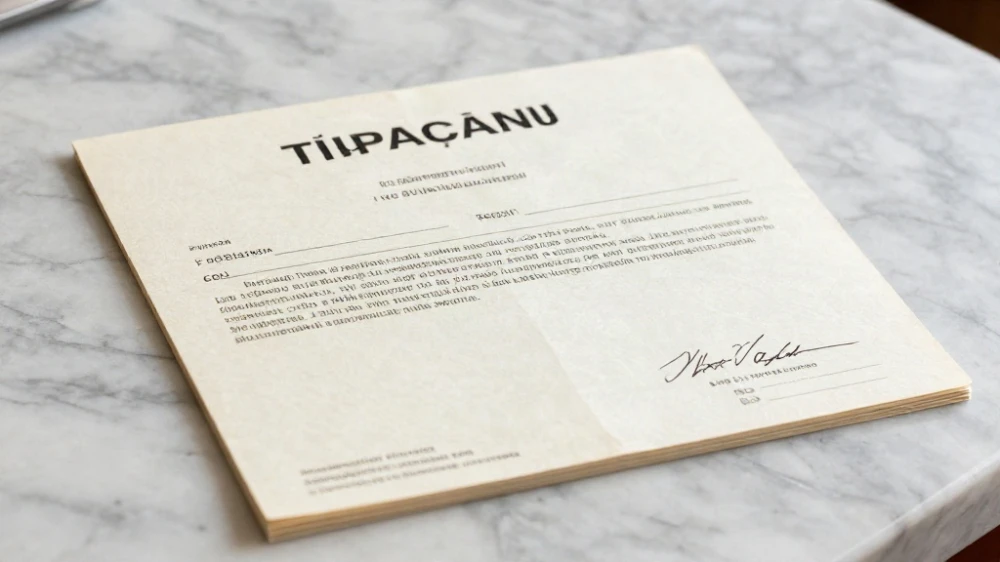
Furthermore, remember that the official threshold applies specifically to the value recorded on the Title Deed (Tapu) and supported by an independent appraisal report. Purchasing a home slightly below the threshold, expecting leniency from immigration officers, will result in immediate rejection of your residence permit application.
Mistake 3: Falling for Incorrect Appraisal Reports and Tapu Values
Another major pitfall is the discrepancy between market price, declared title deed value, and the official real estate appraisal report (Expertise Report). To satisfy Turkey Real Estate Residency Requirements, the valuation report conducted by an authorized SPK-licensed (Capital Markets Board) evaluator must match or exceed the minimum legal threshold required for property residency.
Many sellers or informal agents attempt to declare a lower property value on the title deed to minimize transfer taxes. If you accept a lower declared Tapu value, you will fail to satisfy Turkey Real Estate Residency Requirements. Immigration officials rely strictly on official declared values rather than informal private agreements or actual cash payments made to the seller.
Ensure that the appraisal report is generated through the official Web-Tapu system before final execution. Preparing the proper paperwork beforehand, as detailed in our guide to Turkey Property Purchase Documents, prevents costly errors during the official registration stage.
Always demand that the full transaction amount is registered officially. If an appraisal report returns a value lower than expected, you must either renegotiate the purchase price or choose a different unit that fully aligns with Turkey Real Estate Residency Requirements.
Mistake 3: Overlooking Foreign Exchange Certificates and Bank Transfers
Financial transactions for foreign real estate purchases in Turkey are governed by strict monetary laws. A common mistake among foreign investors is making direct transfers to sellers without obtaining the mandatory Foreign Exchange Purchase Certificate (Döviz Alım Belgesi). Under current regulations, compliance with Turkey Real Estate Residency Requirements necessitates routing funds properly through the Central Bank of the Republic of Turkey.
Foreign buyers must convert their foreign currency (USD, EUR, or GBP) into Turkish Lira through an authorized Turkish bank prior to the title deed transfer. The bank issues a Döviz Alım Belgesi, which explicitly confirms that the funds were converted for a real estate transaction. Without this document, your title deed registration will be halted, and your application will fail Turkey Real Estate Residency Requirements.
Additionally, all payments to the seller must be made via traceable bank transfers matching the buyer’s name. Cash transactions or third-party payments are strictly prohibited when attempting to meet Turkey Real Estate Residency Requirements. Keeping clean bank receipts and currency conversion certificates guarantees a straightforward residency application process.
Working closely with legal advisors ensures your banking transactions adhere strictly to central bank protocols, saving you from administrative delays and potential financial losses.
Mistake 4: Choosing Ineligible Locations and Restricted Zones
Location selection is a critical factor when attempting to fulfill Turkey Real Estate Residency Requirements. To maintain demographic balance across major cities, the Turkish Ministry of Interior periodically restricts certain neighborhoods (mahalle) to new foreign residents. Purchasing a property in a closed neighborhood will automatically prevent you from securing a residence permit, regardless of how much money you spend.
Popular metropolitan areas in Istanbul, Antalya, and Ankara contain specific districts that are currently closed to new foreign residency registrations. Buyers who fail to check neighborhood status before purchasing risk holding valuable real estate that cannot satisfy Turkey Real Estate Residency Requirements for living rights.
For example, investors looking at vibrant cultural hubs like Istanbul must verify neighborhood eligibility early. Studying target locations such as Apartments for Sale in Kadikoy lets you discover top investment zones while staying within legal residency guidelines.
Always check the updated list of restricted zones on the official Immigration Administration portal or consult local legal professionals before transferring deposit funds for any property.
Mistake 5: Neglecting Legal Due Diligence and Title Deed Encumbrances
Rushing into real estate purchases without conducting comprehensive legal due diligence is a dangerous mistake. Properties in Turkey can sometimes carry hidden encumbrances, such as mortgages (ipotek), liens (haciz), or historic tax debts. Acquiring an encumbered property can complicate your title deed transfer and render the unit non-compliant with Turkey Real Estate Residency Requirements.
Moreover, the property type plays a vital role. To qualify under Turkey Real Estate Residency Requirements, the unit must possess a valid residential usage license (Iskan) and be legally registered as a residential unit (mesken). Commercial properties or agricultural land do not qualify for property-based real estate residency permits.
Engaging an independent lawyer ensures that title records are thoroughly inspected at the Land Registry Office (Tapu Dairesi). Legal experts verify that the seller holds clear title, that no third-party claims exist, and that the unit fulfills all physical and legal criteria required by immigration authorities.
Thorough legal oversight guarantees that your real estate investment is legally sound, financially profitable, and fully prepared to support your residency application from day one.
Comparing Key Aspects of Property Residency in Turkey
Understanding how different investment paths impact your legal rights helps you make well-informed decisions. Below is a detailed comparison outlining how real estate residency compares with other common property options under current Turkish regulations:
| Criterion | Real Estate Residence Permit | Tourist Residence Permit | Citizenship by Investment |
|---|---|---|---|
| Minimum Investment | Meets Official Property Threshold | No Real Estate Requirement | $400,000 USD Minimum |
| Property Type Required | Residential (Mesken) with Iskan | Rental or Any Ownership | Any Real Estate Type |
| Legal Right Granted | Renewable Living Permit | Short-term Temporary Stay | Full Turkish Citizenship |
| Residency Continuity | Direct Path to Long-Term Permit | Subject to Strict Restrictions | Immediate Passport Rights |
| Compliance Focus | Strict Valuation & Zone Rules | Financial Proof & Travel Intent | 3-Year Retention Commitment |
By comparing these choices, investors can align their short-term living needs with long-term financial goals while fully honoring all Turkey Real Estate Residency Requirements.

Step-by-Step Guide to Securing Your Residence Permit Safely
To avoid common pitfalls and successfully complete your property purchase, follow a systematic approach. This step-by-step roadmap guides you through fulfilling Turkey Real Estate Residency Requirements effortlessly:
First, select an eligible property in an open neighborhood that comfortably exceeds the official valuation threshold. Next, hire an independent legal lawyer to execute comprehensive due diligence on the title deed. Obtaining professional representation safeguards your financial capital against illegal encumbrances.
Second, open a local Turkish bank account and obtain your tax identification number. Execute all currency exchanges through your bank to obtain the mandatory Foreign Exchange Purchase Certificate (Döviz Alım Belgesi), ensuring complete adherence to Turkey Real Estate Residency Requirements.
Third, request an official valuation report via the Web-Tapu system. Confirm that the valuation matches your purchase price before completing bank transfers directly to the seller’s verified account.
Fourth, finalize the title deed transfer at the Land Registry Office, ensuring an official annotation is added if required. Collect your legal Tapu document immediately after registration.
Finally, compile your application dossier—including health insurance, title deed, appraisal report, bank receipts, and foreign exchange certificate—and submit your online application to the Directorate General of Migration Management. Following this checklist guarantees full compliance with Turkey Real Estate Residency Requirements without unnecessary stress.
Frequently Asked Questions
Can I apply for residency if I purchase a property under construction?
You can apply for property residency only if the off-plan project has established floor servitude (Kat İrtifakı) and you hold the official title deed. Furthermore, the property valuation report and foreign exchange certificate must meet all standard Turkey Real Estate Residency Requirements at the time of application.
What happens if my neighborhood gets closed after I buy the property?
If you acquired your title deed and obtained your residence permit before the neighborhood was declared closed, your existing rights are generally protected. You can renew your permit provided you maintain ownership of the exact same property that met Turkey Real Estate Residency Requirements when initially granted.
Can my family members get residence permits through my property purchase?
Yes, your legal spouse and underage children (under 18 years old) can obtain real estate residence permits based on your qualifying property investment. Each family member must be included in the legal documentation to ensure complete compliance with Turkey Real Estate Residency Requirements.