


Table of Contents
- Real Estate Appraisal In Turkey ensures transparent, government-regulated property pricing that protects international buyers from overpaying in dynamic urban markets.
- Licensed experts regulated by the Capital Markets Board (SPK) conduct independent inspections to verify legal status, zoning compliance, and fair market value.
- Obtaining an official valuation report early empowers investors to identify undervalued high-yield districts and secure residency or citizenship eligibility seamlessly.
Navigating Turkey’s vibrant property market in 2026 requires more than intuition; it demands verified data and strict financial due diligence. As urban regeneration projects and infrastructure corridors reshape cities like Istanbul, Ankara, and Antalya, property prices fluctuate rapidly across neighboring districts.
For international buyers and institutional funds, Real Estate Appraisal In Turkey serves as the cornerstone of every sound acquisition. An independent valuation bridges the gap between asking prices and true market worth, ensuring your capital enters the market on solid, legally compliant footing.

Understanding Real Estate Appraisal In Turkey and 2026 Market Trends
The Turkish property sector in 2026 is defined by selective growth, maturing regulatory oversight, and heightened demand for quality residential and commercial assets. In this environment, Real Estate Appraisal In Turkey has evolved from a simple formality into a strategic analytical tool for serious investors.
Rather than relying on speculative listing prices, modern buyers use certified valuation reports to benchmark properties against actual closed transactions. This data-driven discipline helps investors separate genuine appreciation hotspots from artificially inflated developments.
The Role of SPK-Licensed Valuation Experts
In Turkey, official property valuations cannot be performed by real estate agents or uncertified consultants. Instead, reports must be prepared by independent firms licensed by the Capital Markets Board of Turkey (SPK) and registered with the Turkish Appraisers Association (TDUB).
These licensed professionals operate under strict ethical and technical standards. Their primary mandate is to deliver an unbiased assessment of fair market value, completely free from any commission-based incentives tied to the property sale.
Why Accurate Valuation Matters in Current Market Conditions
With construction costs, interest rate dynamics, and regional demand shifting throughout 2026, price disparities between adjacent neighborhoods can be substantial. Seeking a professional Real Estate Appraisal In Turkey prevents buyers from absorbing hidden developer premiums.
Furthermore, accurate valuations provide strong leverage during price negotiations. When an independent report demonstrates that a unit is priced above comparable recent sales, buyers can negotiate fairer terms backed by official documentation.
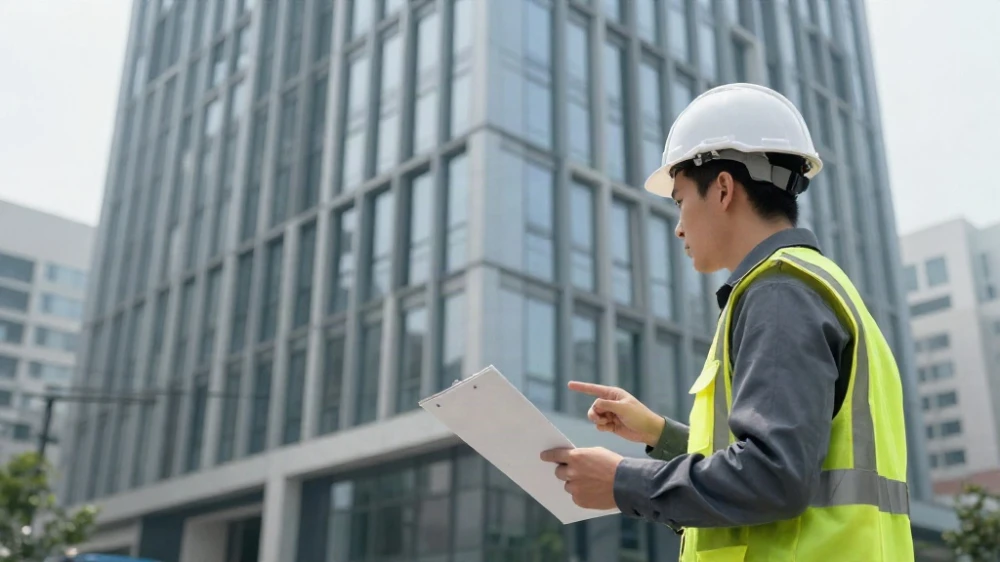
Legal Framework and Mandatory Valuation Regulations
Turkey has established one of the most structured property valuation frameworks in the region to promote market transparency. Understanding how Real Estate Appraisal In Turkey integrates with national land registry laws is essential before signing any purchase contract.
Under current regulations, digital valuation assignment systems—managed through the General Directorate of Land Registry and Cadastre (TKGM) and GABİM—randomly assign licensed appraisal companies for specific official transactions to eliminate conflicts of interest.
Tapu and Cadastral Directorate Requirements
During the title deed (Tapu) transfer process, appraisers verify that the physical structure matches the approved municipal architectural plans. They inspect the property’s official registration, check for any mortgages, liens, or annotations, and confirm its exact net and gross square meterage.
Understanding real estate appraisal standards on a global scale highlights how closely Turkey’s regulatory model aligns with international valuation norms. By cross-referencing municipal zoning records with physical inspections, Turkish appraisers safeguard the legal integrity of every title deed transfer.
If discrepancies exist—such as unpermitted extensions or mismatched floor plans—the report flags them immediately. Consequently, Real Estate Appraisal In Turkey acts as an early warning system against costly post-purchase legal disputes.
Appraisal Rules for Citizenship and Residence Permits
For foreign nationals acquiring property to qualify for Turkish Citizenship by Investment or long-term residency, an official valuation report is strictly mandatory. The government requires the appraised market value to meet or exceed the statutory investment thresholds.
If your primary goal involves securing legal residency through property ownership, reviewing the Turkey real estate residence permit requirements alongside your valuation strategy is crucial. Ensuring your chosen asset meets the exact appraised value criteria avoids unexpected application rejections.
Additionally, the declared purchase price on the Tapu must align with both the foreign exchange purchase certificate (Döviz Alım Belgesi) and the official Real Estate Appraisal In Turkey report. Seamless coordination across these three documents guarantees smooth bureaucratic processing.
Core Valuation Methodologies Used by Turkish Appraisers
SPK-licensed appraisers do not rely on guesswork when calculating property worth. Every Real Estate Appraisal In Turkey applies internationally recognized valuation methodologies tailored to the specific asset class, location, and investment purpose.
Depending on whether you are purchasing a luxury Bosphorus apartment, a commercial retail unit, or a development plot, appraisers combine multiple analytical approaches to arrive at a defensible market value.
Sales Comparison Approach in High-Demand Districts
The sales comparison approach is the most widely used method for residential apartments and villas. Appraisers analyze recent, verified sales of similar properties within the same district, adjusting for floor level, view, building age, social amenities, and proximity to metro lines.
Because Turkey’s urban centers feature diverse micro-markets, local expertise is vital. An appraiser evaluates subtle factors—such as sun exposure, seismic resilience standards, and site management quality—that directly influence buyer demand.
Income Capitalization and Rental Yield Projections
For commercial spaces, serviced apartments, and buy-to-let residential portfolios, the income capitalization approach takes center stage. Appraisers calculate the property’s potential net operating income based on current market rents, occupancy rates, and maintenance expenses.
Investors focused on cash flow should evaluate how valuation metrics connect with Turkey real estate ROI and the best returns in 2026. Comparing the appraised value against projected annual rental income reveals whether a property offers sustainable, inflation-hedged yields.
When conducting a Real Estate Appraisal In Turkey for income-producing assets, appraisers also factor in long-term lease contracts and tenant creditworthiness. This rigorous financial modeling helps investors benchmark capitalization rates across Istanbul, Izmir, and coastal resort towns.
Cost Approach for New Developments and Land
The cost approach is primarily applied to newly constructed buildings, specialized industrial facilities, or vacant land parcels where comparable sales are scarce. Appraisers estimate the current value of the land and add the replacement cost of the structure, minus physical or functional depreciation.
This methodology is particularly useful when assessing off-plan or newly completed luxury projects. It clarifies how much of the asking price reflects tangible construction quality versus developer branding.
| Valuation Methodology | Best Suited Property Type | Primary Data Inputs | Key Advantage for Investors |
|---|---|---|---|
| Sales Comparison Approach | Residential apartments, villas, and townhomes | Recent closed sales, square meterage, building age, and location | Prevents overpaying above neighborhood market benchmarks |
| Income Capitalization | Commercial offices, retail units, and rental portfolios | Market rental rates, occupancy levels, and operating expenses | Validates realistic net rental yields and payback timelines |
| Cost Approach | New developments, industrial sites, and land plots | Land value, current construction material costs, and depreciation | Measures intrinsic build value independent of market hype |
Understanding these three pillars within a Real Estate Appraisal In Turkey report empowers you to ask sharper questions and interpret valuation figures with confidence.

How Real Estate Appraisal In Turkey Protects Foreign Investors
Cross-border real estate transactions naturally carry information asymmetry, especially when buyers are unfamiliar with local languages and municipal registries. Commissioning a Real Estate Appraisal In Turkey levels the playing field for international investors.
By placing an independent, legally accountable expert between the buyer and the seller, the appraisal process eliminates emotional decision-making and exposes hidden risks before funds are transferred.
Preventing Overpricing and Detecting Hidden Liens
One of the most common pitfalls for newcomers is encountering dual-pricing practices or inflated marketing brochures. An official Real Estate Appraisal In Turkey strips away promotional hype by grounding the transaction in verified cadastral and market data.
Equally important is the legal encumbrance check embedded within the report. Appraisers visit the local Land Registry office and municipality to verify whether the property carries unpaid tax debts, construction restrictions, or court injunctions that could block a future resale.
Securing Transparent Remote Property Acquisitions
In 2026, a growing percentage of international buyers complete their acquisitions from abroad using power of attorney. When you are not physically present to walk through the building, an independent inspection becomes your eyes and ears on the ground.
Investors exploring buying property in Turkey remotely rely heavily on high-resolution photographic evidence, architectural plan verification, and neighborhood assessments included in the valuation dossier. This comprehensive reporting ensures complete peace of mind across borders.
At Rad Global, our commitment to transparent property advisory reflects our core philosophy: RAD GLOBAL Building Trust. Shaping Vision. Creating Legacy.
Integrating verified valuation data with end-to-end transaction oversight guarantees that remote investors enjoy the exact same level of protection as local institutional buyers.
Step-by-Step Process, Timelines, and Costs in 2026
Planning your acquisition timeline requires understanding how long a Real Estate Appraisal In Turkey takes and what documentation is needed to initiate it. Fortunately, Turkey’s digitized infrastructure makes the workflow remarkably efficient.
Most standard residential valuations are completed within three to five business days from the date of assignment, while complex commercial or industrial portfolios may require up to seven to ten days.
Document Preparation and On-Site Inspection
To launch a Real Estate Appraisal In Turkey, the buyer or their authorized representative provides a copy of the title deed (Tapu) and, if available, the building occupancy permit (İskan). The assigned SPK-licensed appraiser then schedules an on-site visit.
During the inspection, the appraiser measures the interior dimensions, photographs the facade and interior rooms, evaluates construction finishes, and checks surrounding infrastructure. Simultaneously, they review the official municipal dossier to confirm that the built structure matches the approved project blueprints.
Report Verification and Official Submission
Once field data and comparable market transactions are compiled, the appraiser drafts a detailed, multi-page report. Before release, a senior licensed reviewer audits the calculations and legal findings to ensure full compliance with SPK standards.
The finalized Real Estate Appraisal In Turkey report is then uploaded directly to the TKGM digital system for official transactions or delivered to the buyer as a certified PDF. In 2026, appraisal fees remain modest—typically a small fixed tariff set by regulatory guidelines based on property type and square meterage—making it a negligible cost compared to the capital it protects.
Strategic Investment Opportunities Driven by Accurate Valuations
Beyond risk mitigation, forward-thinking investors use Real Estate Appraisal In Turkey as a proactive tool to uncover high-growth opportunities. In 2026, Turkey’s real estate landscape offers compelling entry points for buyers who know how to read market fundamentals.
Major transit expansions, urban renewal zones, and emerging business hubs are creating pockets of rapid capital appreciation that savvy investors can capture before prices fully adjust.
Emerging Districts with High Appreciation Potential
In Istanbul, districts undergoing modern urban transformation and benefiting from new metro extensions consistently outperform saturated central neighborhoods in percentage growth. Similarly, coastal cities like Antalya, Bodrum, and Izmir continue to attract strong international demand for branded residences and lifestyle properties.
By comparing current Real Estate Appraisal In Turkey figures against historical price-per-square-meter trends, investors can pinpoint areas trading below their intrinsic replacement and infrastructure value. Entering these corridors early maximizes both medium-term capital gains and long-term rental demand.
Partnering with Rad Global for Data-Backed Decisions
Interpreting valuation reports alongside shifting macroeconomic trends requires seasoned local guidance. At Rad Global, we combine institutional-grade market research with personalized advisory to help clients identify properties that pass both legal scrutiny and financial stress tests.
Whether you are acquiring a single residence or structuring a diversified commercial portfolio, prioritizing a certified Real Estate Appraisal In Turkey ensures every investment decision is anchored in verifiable value. With the right data and trusted partners, Turkey’s 2026 real estate market offers enduring opportunities for wealth preservation and growth.
Frequently Asked Questions
How long does a Real Estate Appraisal In Turkey take to complete?
For standard residential apartments and villas, an official Real Estate Appraisal In Turkey typically takes between three and five business days from the moment the application is submitted and the required title deed documents are provided. Larger commercial properties, hotels, or expansive land plots may require seven to ten business days due to more complex income and zoning analyses.
What is the validity period of an official Turkish appraisal report?
Under current Turkish Land Registry and Capital Markets Board regulations, an official real estate appraisal report is valid for three months (90 days) from its date of issue. If your title deed transfer, residence permit application, or citizenship filing is not finalized within that 90-day window, a fresh valuation report must be commissioned to reflect current market conditions.
Can foreign buyers request an independent Real Estate Appraisal In Turkey before paying a deposit?
Yes, foreign buyers are strongly encouraged to request an independent Real Estate Appraisal In Turkey before signing binding sales contracts or transferring large deposits. Securing a preliminary or official valuation early confirms the property’s true fair market value, verifies its legal status, and gives you solid leverage to negotiate fair pricing terms with the seller.