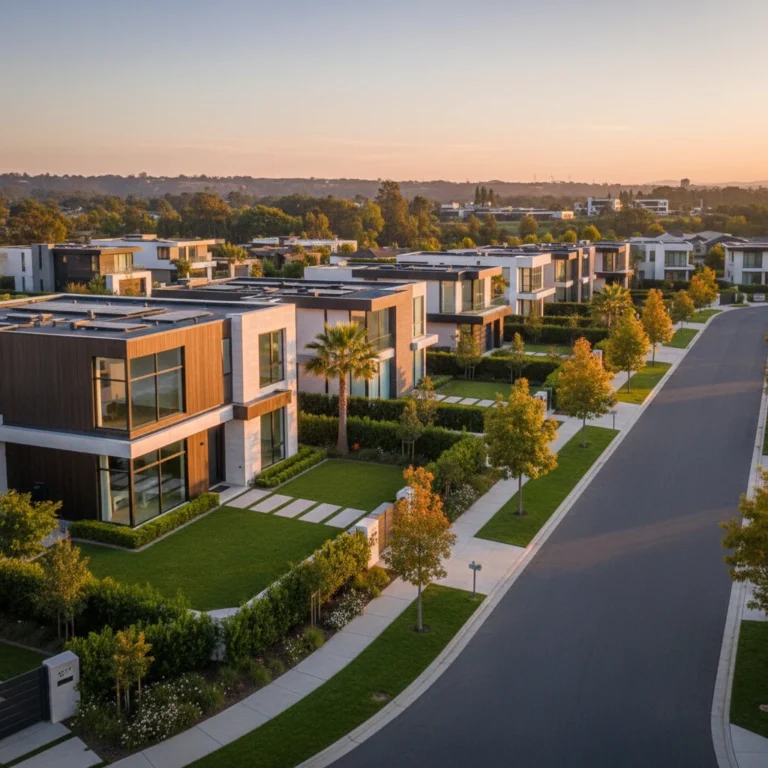


A penthouse overlooking the Bosphorus and a Grade A office suite in Dubai can both be exceptional assets. Yet residential versus commercial property is not a choice between two buildings. It is a decision about how capital should behave: how it produces income, absorbs volatility, preserves liquidity, and supports a broader family or corporate balance sheet.
For internationally mobile investors, the answer rarely comes from headline yields alone. The stronger decision begins with a precise investment thesis, a realistic holding period, and a clear view of the eventual buyer or tenant. Premium real estate rewards selectivity. It can also punish assumptions made before local demand, operating obligations, and exit conditions have been properly examined.
Residential versus commercial property: the core distinction
Residential property is built around housing demand. Its value is typically influenced by population growth, lifestyle appeal, neighborhood quality, transport access, views, amenities, and the depth of the owner-occupier market. In Istanbul and Dubai, premium residences may also carry a lifestyle dimension that expands the buyer pool to international families, second-home owners, and investors seeking a tangible foothold in a global city.
Commercial property is built around business use. Offices, retail units, logistics facilities, hospitality assets, and mixed-use spaces derive value primarily from tenant quality, lease structure, location within an economic district, and the durability of demand for that specific use. A beautifully finished retail unit is not necessarily an investment-grade asset if its footfall, visibility, or surrounding tenant mix is weak.
This distinction affects every part of the underwriting process. A residential buyer may focus on sale comparables, achievable rent, service charges, and the appeal of the building to future occupants. A commercial buyer must assess lease covenants, vacancy exposure, rent review mechanisms, fit-out obligations, operating costs, and the possibility that the property becomes functionally obsolete before the investment plan is complete.
Neither category is inherently superior. The right asset class is the one that fits the investor’s objective and can withstand a conservative case.
Income: predictable rent is not the same as high yield
Residential property often offers a broad tenant base and a relatively straightforward leasing model. A well-positioned apartment in a desirable Dubai community or a central Istanbul district can appeal to professionals, families, and expatriates. If one tenant leaves, another may be found without the long reletting cycle associated with a specialized commercial space.
That flexibility can make residential income more resilient, especially where the property is sized and priced for a deep rental market. However, leases are commonly shorter, turnover can be more frequent, and net income can be reduced by vacancy periods, furnishing, maintenance, management fees, and building charges. A high gross yield deserves careful scrutiny if it excludes the real cost of holding the property.
Commercial property can offer longer leases and, in certain cases, stronger contractual income. A creditworthy tenant committed to a high-quality location may provide cash flow that is attractive to investors prioritizing regular income. Some leases also place more operating responsibility on the tenant, improving the owner’s net return profile.
The trade-off is concentration. One commercial tenant can represent the entire income stream. If that tenant vacates, the loss is immediate and reletting may require incentives, refurbishment, professional fees, or a change of use. A commercial yield should therefore be assessed against the tenant covenant and the lease term remaining, not treated as a standalone number.
Capital appreciation follows different demand drivers
Prime residential appreciation is often tied to scarcity and emotional demand. Waterfront positioning, limited land supply, architectural distinction, a recognized developer, and proximity to established lifestyle infrastructure can create lasting desirability. In the right submarket, these qualities support both rental demand and resale liquidity.
For cross-border buyers, residential assets can also be easier to understand and market at exit. An international purchaser may recognize the value of a landmark branded residence or a well-managed villa community more readily than the economics of a niche warehouse or secondary office floor.
Commercial appreciation is more closely linked to the health of a business district and the income the asset can support. Strong office assets benefit when employers compete for quality space. Logistics property benefits from trade routes, last-mile access, and supply-chain demand. Retail success depends on consumer behavior, destination strength, and tenant mix. These factors can produce compelling upside, but they require a more specialized reading of the market.
It also depends on timing. A commercial asset acquired with a short lease term, an outdated specification, or an oversupplied location may need significant capital before it can participate in market growth. Residential assets face their own cyclical risks, particularly in markets with substantial new supply, but the path to repositioning is often simpler.
Liquidity and exit deserve attention before acquisition
A premium property is only as strategic as its likely exit. Residential units generally benefit from a wider potential buyer pool, especially when the unit is not excessively customized, has a practical layout, and sits within a recognized address. This does not mean every residence is liquid. Large-ticket homes, unusual floor plans, and speculative off-plan inventory can all narrow demand when market conditions change.
Commercial exits are often more technical. The next buyer may be an institutional investor, a regional operator, a yield-focused private investor, or an owner-occupier. Each evaluates the asset differently. Lease duration, tenant quality, property condition, and future rental growth can materially affect pricing. The buyer pool may be smaller, but a correctly structured asset can command significant attention.
Before committing, investors should ask a direct question: who is most likely to buy this property in five to seven years, and what will that buyer need to see? The answer should shape asset selection, lease strategy, improvement plans, and the level of leverage used.
Management is an investment variable, not an afterthought
Residential ownership can appear passive, particularly in professionally managed developments. Yet it still requires decisions around leasing, tenant screening, repairs, furnishing standards, insurance, and compliance. For overseas owners, reliable local coordination is essential. An apartment that sits vacant for months because it was priced without reference to current demand can erase much of its projected return.
Commercial ownership may require deeper asset management. Lease negotiations, rent collection, tenant retention, service-charge reconciliation, regulatory compliance, and capital expenditure planning all matter. A tenant’s request for additional fit-out or a renewal concession may be commercially rational, but only if it protects long-term value.
Sophisticated investors should distinguish between a property that is easy to own and one that is easy to manage well. The second standard is higher. It requires local intelligence, disciplined reporting, and advisers whose interests are aligned with the investor rather than a quick transaction.
Location quality means more than a prestigious address
In both sectors, location remains decisive, but the definition changes by asset type. For residential property, buyers should look beyond a district name to building orientation, access, nearby construction risk, community maturity, developer delivery record, and the quality of daily life. Two residences in the same neighborhood can have materially different rental and resale prospects.
For commercial property, the micro-location is equally critical. A Dubai office near transport, premium hospitality, and established corporate occupiers is assessed differently from space in a less connected building nearby. In Istanbul, retail and office demand can vary sharply by street, access route, visibility, and the spending power of the immediate catchment.
Developer credibility also carries weight. Delivery quality, building operations, design integrity, and ownership experience affect the asset long after the launch campaign ends. In luxury markets, those details are not cosmetic. They are part of value preservation.
When each strategy tends to fit
Residential property often suits investors seeking a combination of capital preservation, rental flexibility, lifestyle optionality, and a broad future buyer base. It may be particularly appropriate for families who expect to use the property, investors pursuing a qualifying Turkish citizenship by investment route, or buyers who value a recognizable asset in a globally connected city.
Commercial property can suit investors with a defined income mandate, a longer holding period, and the ability to evaluate tenant and lease risk with discipline. It can be compelling when the asset has a strong occupier, an advantageous lease structure, and a location supported by durable economic activity.
A blended allocation can also be appropriate. Residential exposure may provide flexibility and personal utility, while a carefully selected commercial asset can add contracted income. The balance should reflect liquidity needs, tax and legal advice, currency exposure, financing terms, and the investor’s tolerance for active management.
Decide from the exit backward
The most valuable property is not always the one with the highest advertised return. It is the asset whose income, ownership obligations, and exit path remain credible when assumptions become less favorable. Whether the decision leads to a signature residence or a commercial income asset, begin with the future owner, the future tenant, and the conditions required for the property to remain desirable. That is where disciplined real estate strategy becomes lasting value.