
Table of Contents
The real estate market in the United Arab Emirates continues to showcase extraordinary resilience, structural innovation, and sustained expansion. For international individual investors, institutional buyers, and family offices seeking capital preservation along with attractive rental returns, acquiring prime properties for sale in Dubai represents one of the most compelling wealth management strategies in 2026. The city’s geographic advantage, tax-neutral business environment, and world-class infrastructure have solidified its status as a premier global hub for wealth deployment.
Navigating the local real estate dynamic requires a clear understanding of shifting yield profiles, emerging master developments, and evolving regulatory standards. Investors today look beyond mere brick-and-mortar investments; they seek high-performing physical assets backed by strong economic fundamentals, population influx, and forward-looking government policy. In this comprehensive market analysis, we evaluate the dominant trends shaping property acquisitions, identify high-yield investment hotspots, and outline practical steps to acquire top-tier properties for sale in Dubai effectively.
1. The Dubai Real Estate Landscape in 2026: Key Market Trends
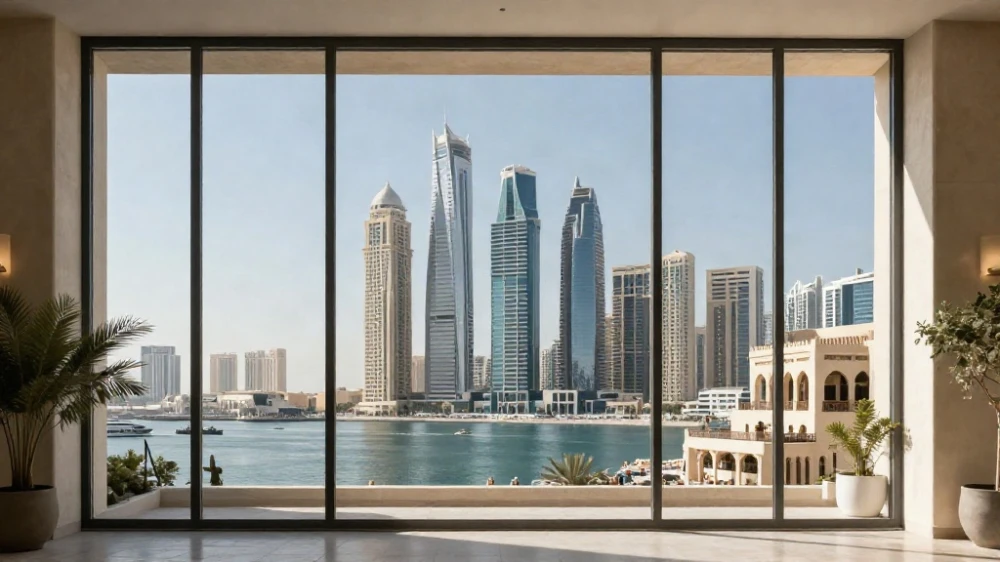
The real estate sector in Dubai has transitioned into a highly mature, institutional-grade market characterized by transparent regulatory oversight and stable long-term liquidity. Factors such as flexible corporate ownership laws, continuous population growth, and high sovereign spending on infrastructure have maintained a strong trajectory for both residential and commercial sectors.
1.1 Unprecedented Demand for Luxury and Ultra-Luxury Villas
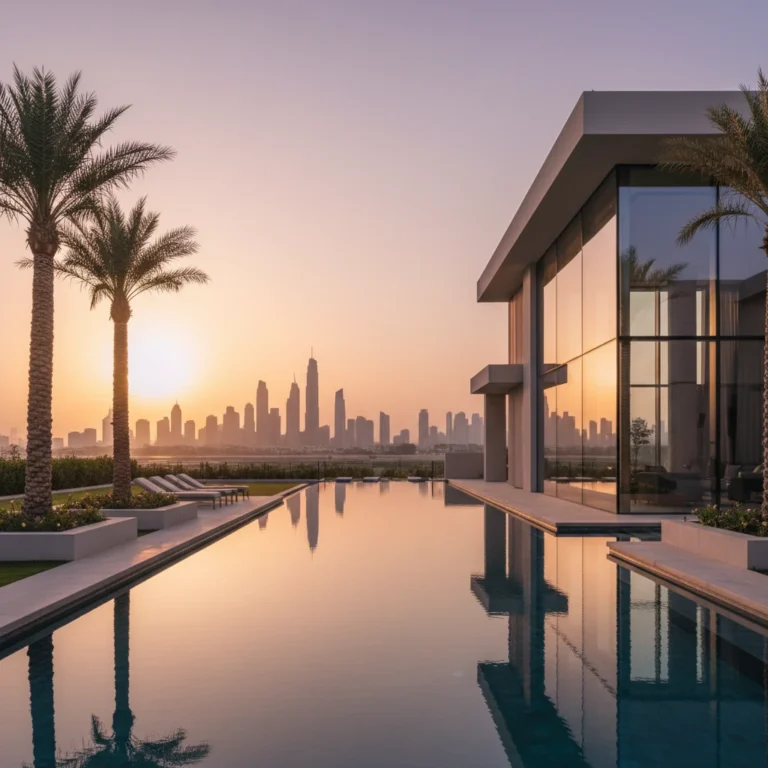
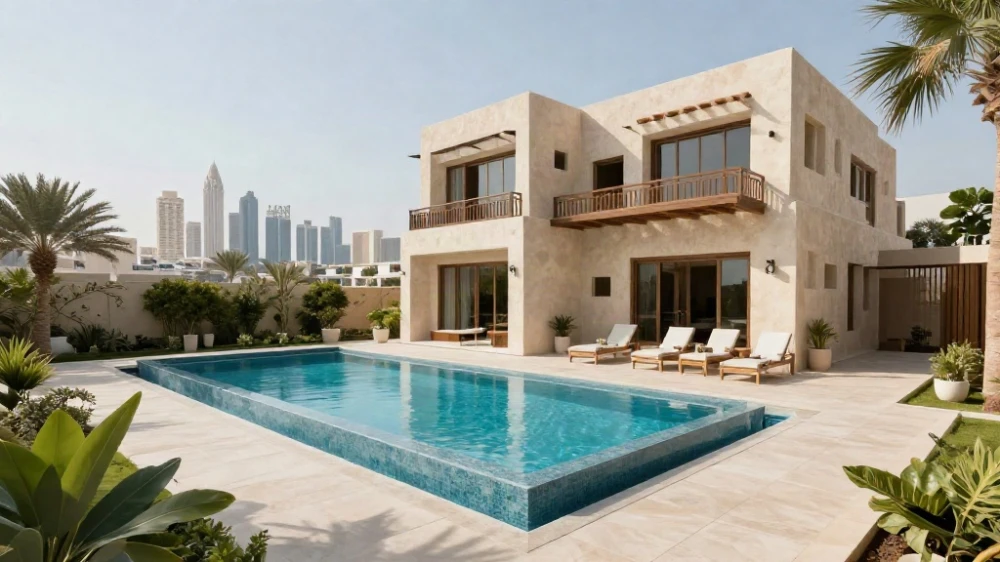
High-net-worth individuals (HNWIs) from across Europe, Asia, and the Americas continue to relocate capital to the UAE. This sustained migration has created significant demand for high-end residential assets. Ultra-luxury villas, prime penthouses, and custom-built waterfront mansions have experienced consistent capital appreciation over recent quarters. Buyers looking for exclusive properties for sale in Dubai prioritize architectural uniqueness, private access to coastal strips, enhanced security, and multi-car underground parking facilities.
For example, prime waterfront villas on Palm Jumeirah and within Jumeirah Bay Island have set benchmark transactions, reflecting strong confidence from global ultra-high-net-worth investors. The limited availability of prime coastal plot supply reinforces long-term capital preservation in these signature addresses.
1.2 Off-Plan Growth vs. Ready-to-Move Asset Performance
The strategic dynamic between off-plan developments and ready-to-move secondary assets remains central to buyer decision-making. Off-plan developments remain highly popular due to investor-friendly payment plans, such as post-handover options structured over three to five years, alongside initial capital appreciation during construction phases. Leading master developers consistently deliver projects with comprehensive lifestyle amenities, attracting early-stage equity deployment.
Conversely, ready properties serve investors seeking immediate cash flow through tenancy agreements. High rental demand across major urban cores allows buyers of ready apartments to capture gross rental yields immediately upon transfer, mitigating construction completion risks and market delivery timing.
1.3 Eco-Friendly Infrastructure and Smart Communities
Modern real estate developments are increasingly evaluated on environmental sustainability, energy efficiency, and integrated smart technology. Master developments featuring solar-powered common infrastructure, graywater recycling systems, advanced home automation, and localized EV charging networks command higher market premiums. Tenants and owner-occupiers alike show a strong preference for green-certified buildings, driving long-term asset value retention across sustainable communities.
2. Top Investment Hotspots for Properties for Sale in Dubai
Identifying the appropriate micro-market is a critical factor in maximizing real estate performance. Dubai features distinct neighborhood zones tailored to specific investment objectives, ranging from short-term holiday home yields to long-term capital growth and family residency living.
2.1 Downtown Dubai & Business Bay: Urban Core Yields
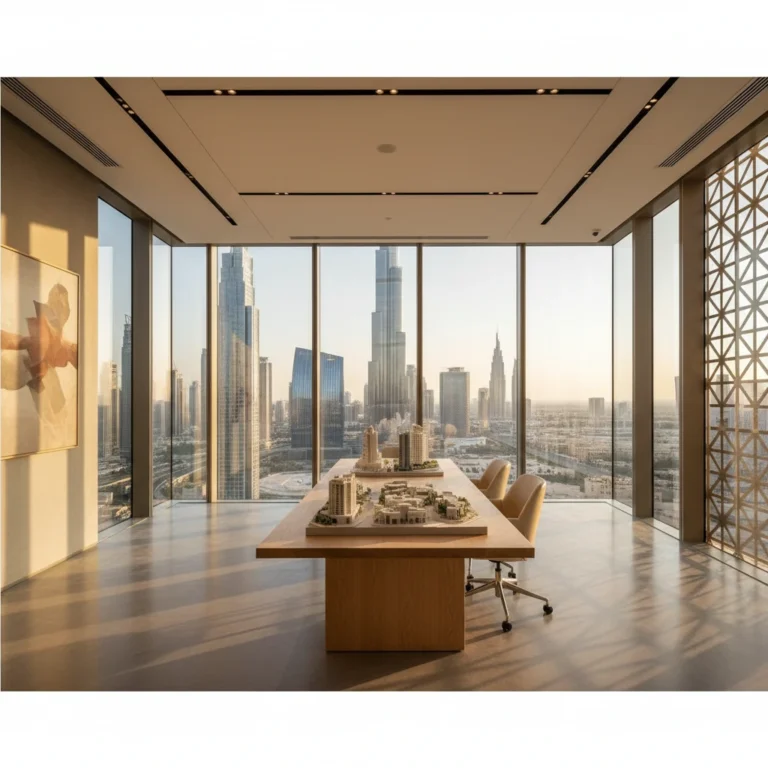
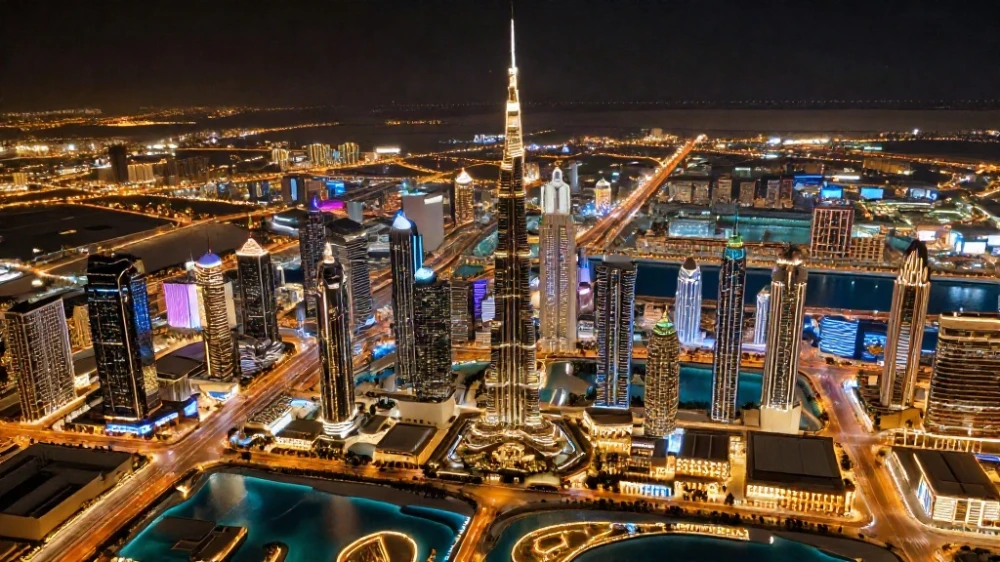
Downtown Dubai and the adjacent Business Bay canal district form the economic and commercial heart of the emirate. Downtown remains iconic due to high-profile landmarks such as the Burj Khalifa and Dubai Mall, offering high capital stability and continuous tourist and corporate tenant demand. High-rise residential apartments in this core zone consistently generate stable rental income.
Business Bay offers a complementary investment environment. The district features modern commercial towers and upscale residential complexes along the Dubai Water Canal. Due to lower price-per-square-foot metrics compared to Downtown, selecting commercial or residential properties for sale in Dubai within Business Bay often yields higher overall rental returns for income-focused buyers.
2.2 Palm Jumeirah & Dubai Marina: Waterfront Living
Waterfront real estate remains a key driver of luxury home purchases. Palm Jumeirah, an engineering marvel, provides a mature luxury ecosystem comprising private beaches, five-star hospitality brands, and world-class culinary venues. Residential properties here appeal strongly to end-users and high-end holiday home operators seeking top rental yields during peak travel seasons.
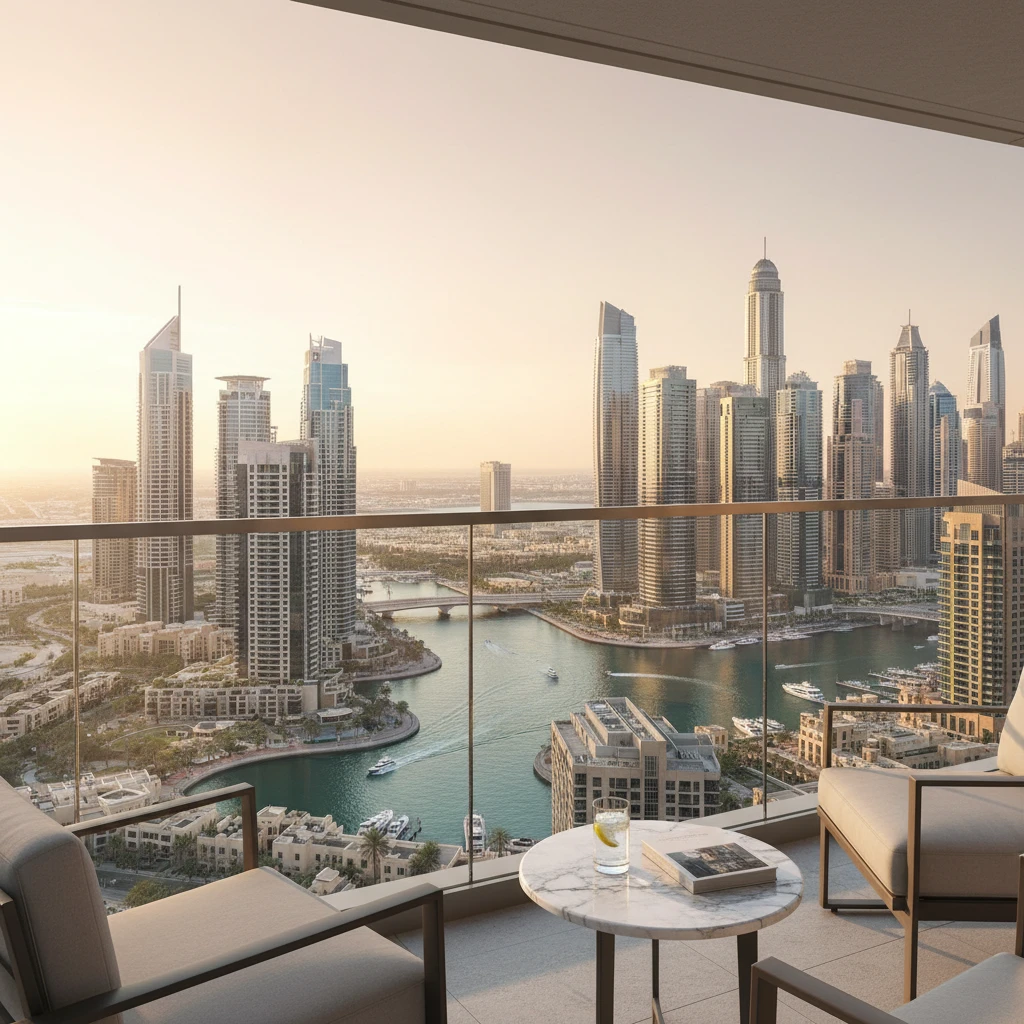
Dubai Marina offers an active urban coastal lifestyle featuring high-rise towers positioned around a multi-kilometer marina dock. The area maintains high occupancy rates driven by executive professionals, tech workers, and expatriate families, making waterfront properties for sale in Dubai Marina a consistent option for multi-unit portfolio buyers.
2.3 Dubai Hills Estate & Dubai South: High-Growth Hubs
For long-term capital growth and family-focused residential investments, master-planned inland communities represent an excellent opportunity. Dubai Hills Estate, centered around an 18-hole championship golf course, features balanced green spaces, international schools, healthcare facilities, and a dedicated regional mall. The neighborhood attracts long-term corporate tenants, making family villas and mid-rise apartments highly resilient assets.
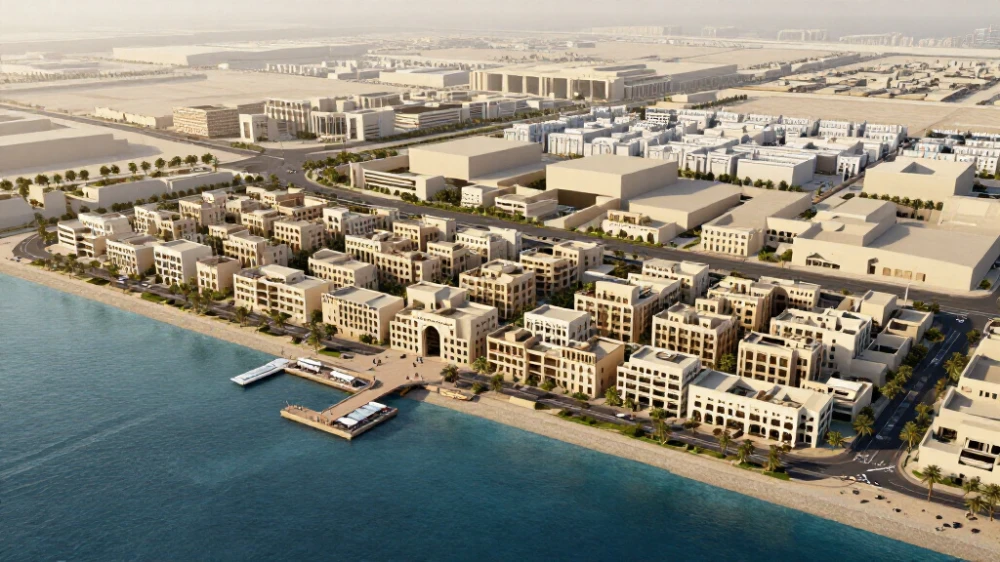
Meanwhile, Dubai South continues its growth trajectory anchored by the ongoing expansion of Al Maktoum International Airport and the surrounding logistics hub. Investors seeking attractive entry points and high long-term growth potential frequently look into properties for sale in Dubai South, capitalizing on future infrastructure integration and upcoming commercial nodes.
3. Financial Structuring, ROI, and Capital Growth Optimization
Structuring a real estate purchase requires analyzing acquisition costs, expected net rental returns, tax planning, and optimal hold periods. Dubai stands out globally by offering gross rental yields between 6% and 9% in mid-market residential sectors, comfortably outperforming historical averages in major financial capitals like London, New York, or Singapore.
3.1 Capital Allocation Strategies: Equity vs. Debt Financing
Investors must evaluate whether to execute direct cash acquisitions or utilize localized mortgage debt facilities. Non-resident international investors can typically secure loan-to-value (LTV) ratios up to 50% to 60% through local banking institutions, whereas resident buyers can leverage up to 80% LTV on their primary home purchases. Liquidity management, current interest rate dynamics, and portfolio leverage goals dictate the ideal financing approach.
Before committing capital, high-net-worth investors often conduct comprehensive financial modeling comparing potential leverage gains against debt service obligations. Understanding the nuances of a cash purchase versus mortgage investment decision allows buyers to preserve liquidity, manage leverage effectively, and maximize overall cash-on-cash equity returns over the chosen investment horizon.
3.2 Structuring Effective Real Estate Exit Strategies
Maximizing long-term profitability requires a clear exit framework prior to property transfer. Investors should plan whether their objective involves a medium-term capital flipping strategy upon off-plan delivery, a multi-year hold period focusing on rental income, or long-term family wealth preservation.
Market cycles, refinancing opportunities, and localized supply pipelines directly affect transaction timing. Institutional developers and sophisticated private investors rely on a defined guide to investment property exits to evaluate optimal holding periods, tax considerations upon repatriation, secondary market liquidity metrics, and portfolio balancing techniques.
4. Regulatory Oversight, Legal Protections, and Visa Benefits
The legal framework governing real estate transactions in Dubai provides high investor protection through clear statutory enforcement. Real estate transfers, escrow account mandates for off-plan construction, and broker licensing are tightly managed by the Real Estate Regulatory Authority (RERA), the regulatory arm of the Dubai Land Department (DLD).
According to official Dubai Land Department transaction data, property market activity continues to register record-setting transaction volumes across freehold zones. Freehold status grants foreign non-resident buyers absolute title ownership rights, enabling properties to be bought, sold, leased, or transferred via inheritance without restrictions.
Furthermore, property ownership acts as a direct pathway to extended residency visas in the United Arab Emirates:
- 2-Year Investor Visa: Available to property owners acquiring residential real estate with a minimum equity valuation of AED 750,000 (approx. USD 204,000).
- 10-Year UAE Golden Visa: Granted to buyers acquiring unencumbered or banked property assets valued at AED 2,000,000 (approx. USD 545,000) or higher. Golden Visa holders enjoy long-term residency privileges, sponsor family members and domestic staff, and maintain residency status without strict minimum physical stay requirements.
These residency programs have increased demand for premium properties for sale in Dubai, transforming real estate investment into a combined strategy for financial diversification and global mobility.
5. Frequently Asked Questions
What is the average ROI on properties for sale in Dubai in 2026?
Average gross rental returns range from 6% to 9% depending on property type and micro-location. Prime waterfront communities like Palm Jumeirah generally yield between 5% and 7% due to elevated capital values, whereas mid-market, high-density residential districts such as Jumeirah Village Circle (JVC), Business Bay, and Dubai Silicon Oasis frequently deliver gross yields between 7.5% and 9.5%.
Can foreign nationals purchase freehold properties in Dubai?
Yes, foreign individuals, regardless of their country of residency, can freely acquire full land title and freehold rights to properties situated within designated freehold zones across Dubai. Freehold title gives the owner absolute rights to sell, lease, mortgage, or pass the asset to legal heirs through local probate courts or registered DIFC wills.
Should I invest in off-plan or ready properties for sale in Dubai?
The decision depends directly on your financial goals. Off-plan properties suit investors looking for staggered payment structures over construction periods, discounted entry pricing per square foot, and initial capital growth prior to completion. Ready properties cater to investors seeking immediate rental cash flows, fixed tenancy contracts, and zero construction timeline risks.