
Table of Contents
- Buy property in Dubai: يتطلب استراتيجية واضحة وتقييماً دقيقاً للموقع والعوائد الاستثمارية لضمان نجاح الصفقة.
- التحقق من السجل القانوني للمطور ووضعية الملكية يمثل خطوة أساسية لحماية حقوق المستثمر بالكامل.
- دراسة الجدوى المالية وتكاليف الصيانة الخفية تضمن تجنب أي مفاجآت مستقبلية بعد اتمام الصفقة.
Introduction to Real Estate Evaluation
Buy property in Dubai is a monumental milestone for both seasoned investors and first-time buyers looking to capitalize on one of the world’s most dynamic real estate landscapes. As the city continues to expand with visionary infrastructure projects and a rapidly growing population, evaluating a property before signing any binding agreement has never been more critical. The glamorous skyline, tax-friendly environment, and high rental yields often overshadow the rigorous groundwork required to identify a genuinely high-performing asset. Professional guidance from experts like Rad Global can help navigate these waters, ensuring that every financial commitment aligns with long-term wealth accumulation and lifestyle goals. When you look at the market objectively, rushing into a purchase without comprehensive due diligence can lead to unexpected pitfalls, ranging from hidden maintenance costs to unfavorable community regulations. Therefore, developing a systematic approach to property evaluation protects your capital and sets the foundation for sustainable growth in the coming years.
Navigating the complex ecosystem of the emirate’s property sector requires looking beyond glossy brochures and digital renderings. Buyers must examine the fundamental drivers of value appreciation, such as proximity to metro stations, upcoming commercial hubs, and overall community master planning. According to recent market analysis and global housing data published by sources like International Monetary Fund statistics, urban real estate markets with strong diversification initiatives tend to retain value more resiliently during broader economic fluctuations. This makes thorough property evaluation an indispensable skill for anyone seeking security and profitability.
Understanding Dubai Market Trends
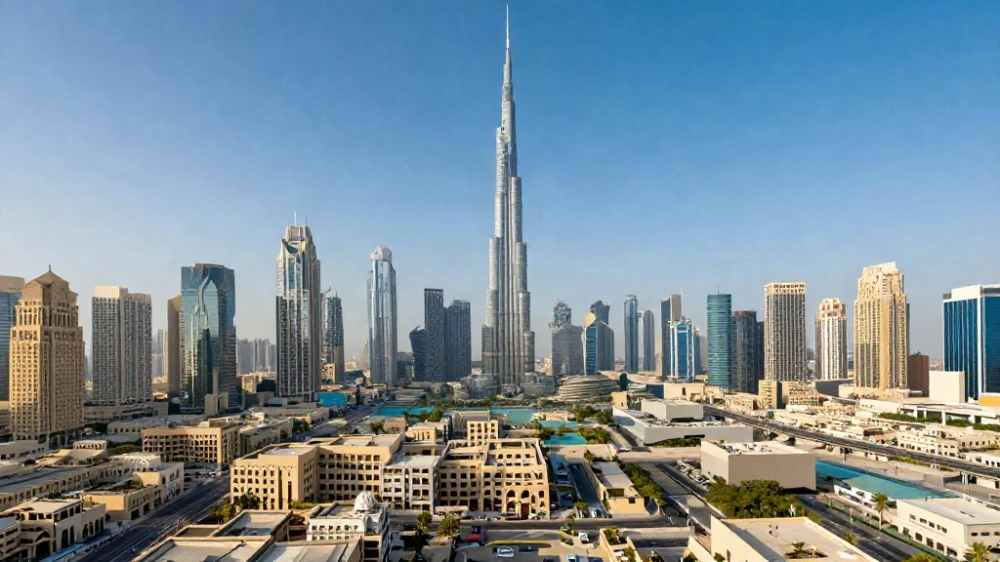
To successfully evaluate any asset, an investor must first comprehend the macro and micro economic forces shaping the local property ecosystem. The city’s real estate sector is characterized by distinct cycles, influenced heavily by global tourism, foreign direct investment, and regulatory reforms introduced by authorities such as the Dubai Land Department. When planning to buy property in Dubai, analyzing current absorption rates, supply pipelines in specific districts, and historical price per square foot metrics will provide a realistic baseline. For instance, master communities like Dubai Marina, Downtown Dubai, and Business Bay offer different risk-return profiles compared to emerging suburban communities such as Dubailand or Dubai South. Understanding whether the current phase favors buyers or sellers allows you to negotiate effectively and avoid overpaying for off-plan or secondary market units.
Furthermore, shifting demographic preferences toward sustainable living and smart-home integration have altered what constitutes a high-demand property. Properties featuring energy-efficient systems, co-working spaces within the building, and wellness amenities consistently command higher occupancy rates and superior rental premiums. By staying attuned to these evolving trends, investors can filter out stagnant inventory and focus exclusively on assets poised for strong capital appreciation.

Financial Assessment and Funding Strategies
A comprehensive financial evaluation extends far beyond the basic purchase price listed on an advertisement. When calculating your total outlay, you must account for a variety of ancillary fees and ongoing operational costs. These typically include the 4% Dubai Land Department fee, agency commission, registration fees, and potential mortgage processing charges if you are financing the acquisition. Additionally, reviewing annual service charges levied by the owners’ association is vital, as exorbitant maintenance fees can severely erode your net rental yield over time. Whether you choose an outright cash transaction or opt for structured bank financing, mapping out your cash flow projections for a five-to-ten-year horizon ensures you maintain healthy liquidity.
Experienced investors also evaluate exit liquidity before entering any agreement. Understanding how quickly an asset can be liquidated or converted into liquid cash under varying market conditions is a hallmark of prudent financial planning. For strategic insights on optimizing your portfolio liquidity, reviewing resources on investment property exits can offer valuable clarity on timing your eventual sale or portfolio restructuring.
Comparing Property Types and Neighborhoods
Choosing the right property type—whether a studio apartment, a luxury penthouse, a townhouse, or a standalone villa—depends heavily on your investment thesis and target tenant demographic. To help clarify these distinctions, the comparison table below outlines the primary characteristics, target markets, and typical investment outcomes for various real estate categories in the emirate.
| Property Type | Target Tenant / Buyer | Average Yield Potential | Liquidity & Maintenance |
|---|---|---|---|
| Studio / 1-Bedroom Apartment | Young professionals, tourists, couples | High (6% – 8% net) | High liquidity, lower maintenance overhead |
| Townhouse in Suburban Community | Growing families, long-term residents | Moderate to High (5% – 7%) | Moderate liquidity, moderate community fees |
| Luxury Penthouse / Waterfront Villa | High-net-worth individuals, executives | Moderate (3% – 5%) | Lower liquidity, higher premium maintenance |
Evaluating these options side by side reinforces the importance of matching your personal financial capacity with the appropriate asset class. While high-end villas offer exceptional long-term capital appreciation due to limited land supply in prime coastal locations, smaller apartments in vibrant transit-oriented developments generally deliver more consistent, immediate rental returns.

Legal Due Diligence and Compliance
Legal security is the absolute bedrock of any successful real estate transaction. Before transferring any funds or signing a Memorandum of Understanding (Form F), buyers must conduct rigorous legal due diligence. This involves verifying the title deed through official government portals, ensuring the property is free from any outstanding mortgages, liens, or legal disputes. For off-plan purchases, it is mandatory to verify that the developer is registered with the Real Estate Regulatory Agency (RERA) and that all client payments are deposited into an approved escrow account rather than general corporate accounts. Engaging a qualified independent legal advisor or a reputable brokerage team ensures that every contractual clause protects your rights regarding handover dates, penalty clauses for delays, and defect liability periods.
RAD GLOBAL Building Trust. Shaping Vision. Creating Legacy.
Physical Inspection and Quality Control
Never skip a physical inspection, regardless of whether you are purchasing a brand-new off-plan unit or a well-established secondary property. Engaging a certified third-party home inspector can uncover hidden structural defects, plumbing flaws, electrical wiring issues, or substandard finishing work that might cost thousands of dirhams to rectify later. In Dubai’s climate, checking the efficiency of the air conditioning system, insulation quality, and signs of humidity or waterproofing failure in balconies and bathrooms is particularly crucial. A detailed inspection report gives you strong leverage during price negotiations, allowing you to either demand that the seller rectifies the issues before handover or adjust the purchase price accordingly.
Frequently Asked Questions
What are the mandatory government fees when purchasing real estate here?
The primary government fee is the 4% Dubai Land Department (DLD) transfer fee, which is typically split equally between the buyer and the seller, though market practice often places the full burden on the buyer. Additionally, you must budget for title deed issuance fees, administrative trustee office fees, and mortgage registration fees if applicable.
Can foreign nationals purchase freehold property anywhere in the city?
Foreign nationals and non-residents can purchase property with absolute freehold ownership, but only within designated designated zones established by the government. These zones encompass major popular areas like Dubai Marina, Downtown Dubai, Palm Jumeirah, and several other master communities.
How can I accurately calculate my expected net rental return?
To calculate net rental return, take your anticipated annual gross rental income, subtract all ongoing operational expenses—including annual service charges, property management fees, and general maintenance reserves—and divide that net figure by the total acquisition cost, expressed as a percentage.