Table of Contents
- Navigating Turkey Real Estate Investment 2026: Macroeconomic Realities
- Practical Evaluation Framework for Turkey Real Estate Investment 2026
- Regional Yield Analysis: Choosing the Right Location
- Essential Legal Due Diligence Before Capital Deployment
- Capital Structuring Strategies for Maximum ROI
- Risk Mitigation and Exit Planning for Savvy Investors
- Frequently Asked Questions (FAQ)
- Turkey Real Estate Investment 2026: Delivers significant portfolio appreciation, robust rental yields, and attractive residency opportunities when guided by meticulous due diligence and objective asset valuation.
- Evaluating physical infrastructure, title deed clarity, and transit access mitigates risk and optimizes entry costs across premier metropolitan sectors.
- Deciding between liquidity deployment or financing models determines overall cash flow stability and long-term capital preservation in emerging Turkish corridors.
Navigating Turkey Real Estate Investment 2026: Macroeconomic Realities
Entering the Turkish property market demands an acute awareness of current market dynamics. As international wealth allocators recalibrate their portfolios, understanding property valuation metrics becomes paramount. Sound decision-making rests on dissecting local growth drivers rather than relying on promotional hype.
The landscape for Turkey Real Estate Investment 2026 reflects institutional stabilization, urban expansion, and targeted foreign capital interest. International buyers increasingly prioritize tangible yield over speculative appreciation, demanding rigorous evaluation frameworks prior to closing transactions.
Macroeconomic shifts across Eurasia position metropolitan centers like Istanbul and coastal transit nodes as vital economic bridges. Global macro data tracked by organizations like the Organisation for Economic Co-operation and Development highlights continuous infrastructure modernization across Turkey, reinforcing investor sentiment.
Prospective buyers must review regulatory shifts, title deed categories, and zoning ordinances. Mastering these fundamentals transforms a generic property search into a highly calculated, risk-adjusted capital deployment strategy across modern urban spaces.
Choosing the right entry point requires comparing current market cycles against historical benchmarks. Investors who review market entry indicators at strategic real estate timing gain a measurable advantage when navigating price movements and identifying genuine undervalued assets.
Overall, engaging in Turkey Real Estate Investment 2026 demands continuous scrutiny of currency shifts, local rental indexations, and micro-district regeneration initiatives that directly impact projected annual cash flows.
Practical Evaluation Framework for Turkey Real Estate Investment 2026
Prudent investors rely on structured assessment scorecards before making commitments. Emotional attachments must be replaced with empirical audits that evaluate physical integrity, location connectivity, and developer reliability across every shortlisted property.
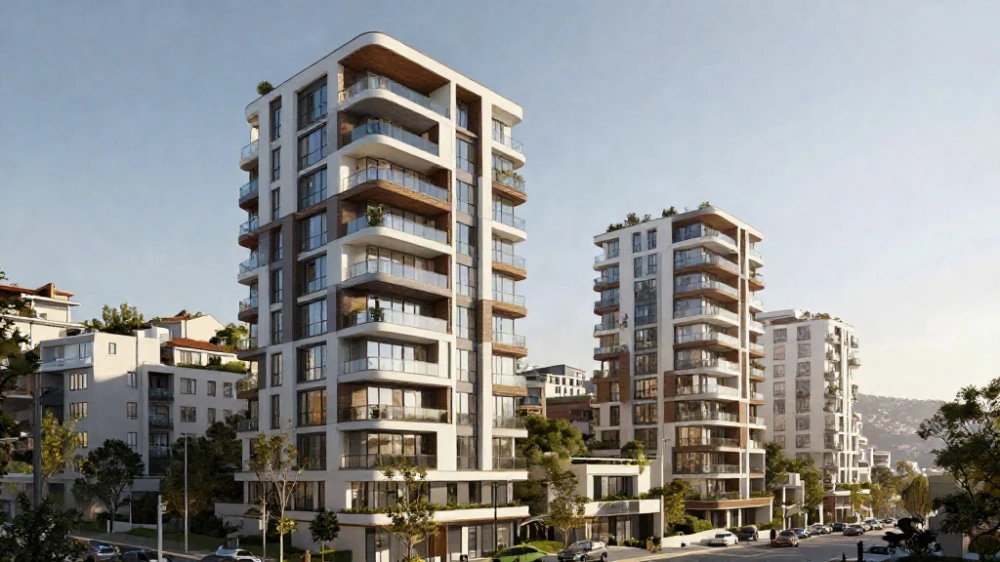
When assessing options for Turkey Real Estate Investment 2026, always begin with an infrastructure and transit proximity review. Properties located within walking distance of integrated metro lines, Marmaray stations, or primary highway arteries consistently retain higher resale demand.
Evaluating construction quality requires checking the building’s seismic compliance rating and checking developer track records. Reputable developers readily present structural engineering reports, high-grade insulation specifications, and proven delivery timelines from past residential schemes.
Examine this high-end coastal project video showcasing architectural precision and luxury amenities at Yedi Mavi:
Another crucial step in Turkey Real Estate Investment 2026 is reviewing independent valuation reports (SPK-certified appraisals). These official assessments verify replacement costs, market comparables, and identify discrepancies between asking prices and true market value.
Operational expenditure analysis must not be neglected. High monthly maintenance fees (aidat) can quietly erode net rental yields, turning an apparently lucrative acquisition into an underperforming, cash-draining asset over time.
Conducting detailed physical inspections also reveals potential deferred maintenance in older buildings. Waterproofing, plumbing integrity, and electrical grid capacities must be thoroughly audited before submitting formal binding offers.
A rigorous approach to Turkey Real Estate Investment 2026 treats every apartment or commercial unit as an operational business, evaluating top-line income alongside recurring operating expenses.

Regional Yield Analysis: Choosing the Right Location
Location selection dictates both occupancy stability and long-term capital growth potential. Yield dynamics vary substantially between Istanbul’s central business districts, emerging suburban regeneration zones, and Mediterranean vacation hubs.
Investors pursuing Turkey Real Estate Investment 2026 in Istanbul often balance high capital growth potential against stable tenant demand in central European-side corridors such as Kağıthane, Maslak, and Basin Ekspres.
Conversely, coastal zones like Antalya and Bodrum cater predominantly to international vacationers and seasonal short-term rentals. These areas offer higher gross summer yields, but involve seasonal vacancy fluctuations that require specialized property management teams.
| City / District | Primary Target Strategy | Average Gross Yield (%) | Liquidity & Resale Velocity |
|---|---|---|---|
| Istanbul (Central / Maslak) | Corporate Expats / Long-term | 5.5% – 7.0% | High |
| Istanbul (Basin Ekspres) | Mid-market / Commuter | 6.5% – 8.0% | Moderate to High |
| Antalya (Konyaaltı) | Short-term / Holidaymakers | 7.0% – 9.0% | Moderate |
| Ankara (Çankaya) | Diplomats / Civil Servants | 6.0% – 7.5% | Moderate |
| Izmir (Alsancak / Bornova) | Students / Young Tech Talent | 5.0% – 6.5% | Moderate |
Analyzing localized tenant demographics ensures you acquire properties that cater to organic domestic demand rather than relying solely on foreign renters who may be sensitive to currency swings.
Executing successful Turkey Real Estate Investment 2026 transactions hinges on understanding that each micro-market operates independently, with unique tenant retention rates and appreciation patterns.
Essential Legal Due Diligence Before Capital Deployment
Legal security forms the foundation of every successful real estate venture. Foreign buyers must never skip full legal due diligence in favor of speed, as hidden encumbrances can undermine ownership rights.
When orchestrating a Turkey Real Estate Investment 2026 purchase, checking the Title Deed (Tapu) registration is the first critical step. Verify that the deed specifies “Kat Mülkiyeti” (full condominium ownership) rather than “Kat İrtifakı” (construction servitude) or agricultural shares.
Condominium ownership ensures that the building holds an official occupancy permit (İskan). Properties lacking an İskan carry substantial bureaucratic and structural risks that complicate future disposals.
Investigating the land registry for liens, mortgages, or legal freezes (ipotek) protects your capital. Independent lawyers must verify that the seller holds unencumbered title rights before any earnest deposits are released.
Investors pursuing citizenship or residency pathways through Turkey Real Estate Investment 2026 must confirm that the property complies with the latest government minimum investment thresholds and currency conversion requirements (DAB certificates).
Working alongside an independent, certified attorney prevents costly mistakes and ensures every transfer document complies with strict national property registration standards.
Due diligence also includes verifying that foreign ownership quotas have not been exceeded in the target district, ensuring smooth, unhindered registration on closing day.

Capital Structuring Strategies for Maximum ROI
Optimizing returns requires smart capital allocation. How you finance your acquisition fundamentally impacts net internal rate of return, tax obligations, and currency exposure.
Weighing available purchase methods is an essential step in Turkey Real Estate Investment 2026 planning. Reviewing the analysis of outright payment versus leveraged finance helps clarify whether to deploy liquid reserves or utilize local developer financing options.
Developer payment plans often feature zero-interest installment schedules spread across 24 to 36 months for off-plan properties. This allows investors to maintain operational cash liquidity while securing early-stage baseline pricing.
Cash buyers, by contrast, wield substantial leverage to negotiate discounts of 10% to 18% off list prices, immediately boosting equity upside from day one of ownership.
Factoring auxiliary acquisition costs into your financial model prevents unpleasant budget surprises. Transfer taxes, legal fees, translator costs, and title deed registration typically total 5% to 7% of the contracted asset valuation.
Successful execution of Turkey Real Estate Investment 2026 requires calculating total acquisition expenditure alongside potential gross rental returns to establish accurate net capitalization rates.
Tax advisory consultation is equally prudent to evaluate bilateral tax treaties, corporate ownership structures, and capital gains exemptions on assets held past statutory holding periods.
Risk Mitigation and Exit Planning for Savvy Investors
Sustainable investment models always prioritize downside protection alongside upside growth. A disciplined investor constructs their exit plan before finalizing any acquisition contract.
Currency fluctuations remain a central consideration for Turkey Real Estate Investment 2026 participants. Structuring rental agreements to dependable corporate tenants or indexing commercial leases offers an effective buffer against exchange rate volatility.
Diversifying across different asset classes—such as combining a city-center studio apartment with a commercial retail shop—evens out cash flows and reduces single-tenant default risk.
Professional property management firms further protect your yields by conducting thorough tenant background checks, managing timely collections, and preserving physical condition through active maintenance protocols.
Liquid exit pathways depend heavily on broad buyer appeal. Focusing your Turkey Real Estate Investment 2026 search on popular two-bedroom or three-bedroom layouts broadens your eventual resale market to both domestic owner-occupiers and international capital.
Reviewing district masterplans and planned transport links guarantees that future neighboring developments enhance your property’s value rather than blocking views or creating excess competing inventory.
Disciplined risk management transforms Turkey Real Estate Investment 2026 from an uncertain speculative bet into an enduring, income-generating wealth pillar.
Frequently Asked Questions (FAQ)
What makes Turkey Real Estate Investment 2026 attractive to foreign capital?
Turkey offers competitive entry prices per square meter compared to Western Europe, solid infrastructure growth, and dynamic demographic demand. These fundamentals combine to create sustainable rental income and long-term capital preservation for disciplined buyers.
Can foreign investors secure Turkish Citizenship through real estate in 2026?
Yes, foreign investors can qualify for citizenship by acquiring real estate meeting the current legal threshold, provided the title deeds remain unencumbered for at least three consecutive years under official land registry supervision.
What is the most critical check before signing a property contract in Turkey?
Verifying the existence of an unencumbered Title Deed (Tapu) and an official occupancy permit (İskan) is essential. Working with an independent real estate attorney ensures the asset is free of debt, liens, and zoning discrepancies before funds are transferred.
Best Real Estate Investment Areas in Istanbul: 7 Ultimate High-Yield Neighborhoods 2026