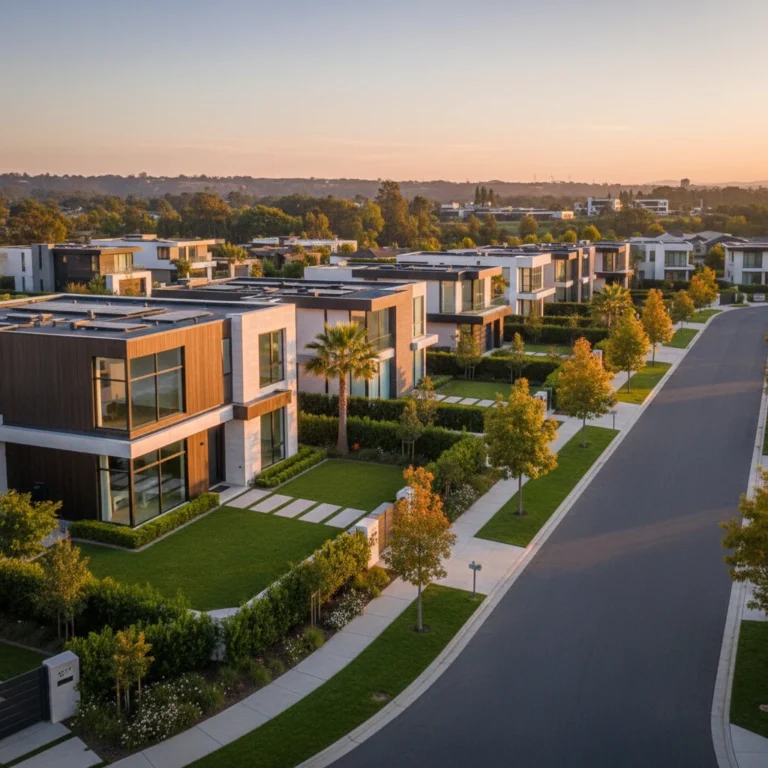


A premium residence in a prime district can be a compelling acquisition even when market sentiment is cautious. Conversely, an attractively priced property can become an expensive mistake if its location, developer, legal structure, or exit potential is weak. When to buy real estate is therefore not a question answered by a single market headline. It is a decision made where timing, asset quality, capital structure, and personal objectives meet.
For internationally mobile investors, the right moment is rarely about predicting the exact bottom. It is about recognizing when a carefully selected asset can serve a clear purpose: preserving capital, producing income, creating a family base, supporting a residency or citizenship objective, or strengthening a diversified global portfolio.
When to Buy Real Estate: Start With the Investment Thesis
The first question is not whether prices will rise next quarter. It is what the property must achieve for you over the next five, seven, or ten years.
A buyer seeking rental income may prioritize occupancy depth, transportation access, unit efficiency, and operating costs. A family acquiring a second home may place greater value on privacy, services, school access, and long-term livability. An investor considering Turkey’s citizenship-by-investment route must also ensure that the purchase structure, valuation, title process, and qualifying criteria are handled with precision.
These goals lead to different decisions. A waterfront residence in Dubai may offer exceptional lifestyle value and global liquidity, while a well-positioned Istanbul property may align more closely with a buyer seeking a particular entry point, cultural connection, or citizenship strategy. Neither is universally superior. The suitable purchase is the one whose location, holding period, and risk profile support the intended outcome.
A disciplined investment thesis also protects buyers from emotional timing. If an asset meets defined standards for quality, demand, and long-term relevance, a temporary shift in sentiment may create an opportunity rather than a reason to retreat.
Do Not Wait for the Perfect Market Signal
Markets do not announce the bottom with certainty. By the time economic data, media coverage, and buyer confidence all appear favorable, the best-negotiated opportunities may already be gone.
The more productive approach is to monitor conditions that affect the specific asset category you intend to own. In luxury markets, broad price indexes can be less meaningful than supply in a particular neighborhood, the release schedule of competing projects, buyer demographics, payment-plan availability, and the reputation of active developers.
In Dubai, a fast-moving market can reward investors who have clarity on their target areas and act decisively when a limited release is priced correctly. In Istanbul, currency conditions, local demand patterns, and the quality gap between projects can create opportunities that are not visible in national averages. A prime, well-managed development does not necessarily trade in line with the wider market.
Buy when the evidence supports value, not when public sentiment gives you emotional permission. That means assessing the replacement cost of the asset, comparable transactions, future competing supply, and the scarcity of its location or view. In premium real estate, true scarcity often matters more than generalized market optimism.
Your Capital Position Matters as Much as Timing
A property should improve the resilience of your portfolio, not compromise it. Before proceeding, determine how much capital can be committed without constraining your business, family, or broader investment priorities.
Cash buyers often have a negotiating advantage, particularly where a seller values certainty and speed. Yet paying in cash is not automatically the best decision. Depending on the jurisdiction, currency exposure, and available financing terms, retaining liquidity for other opportunities may be strategically stronger. The right structure reflects both return expectations and your tolerance for debt, currency movement, and holding costs.
International buyers should model the full acquisition cost rather than focusing only on the quoted price. Taxes, registration, legal coordination, furnishing, property management, service charges, insurance, and potential vacancy all affect the real return. For off-plan purchases, payment schedules must be assessed against construction milestones and the developer’s delivery record.
A well-timed purchase is one you can hold through normal market variation. If the investment requires an immediate resale to work, it is not a long-term strategy. It is a speculation.
Buy Quality When Others Are Comparing Price
Premium real estate rewards selectivity. Two properties with similar square footage and similar asking prices can have profoundly different prospects because one is in a durable micro-location, built by a credible developer, and supported by meaningful end-user demand.
Quality is not simply marble finishes or an impressive lobby. It includes the land position, access, architectural longevity, construction standards, management quality, legal clarity, and the likelihood that future buyers will recognize the same advantages. A striking launch campaign cannot compensate for a compromised address or oversupplied product type.
This is especially relevant in international markets, where buyers may rely too heavily on digital presentations. Visit where possible. Study the street, surrounding development, traffic patterns, nearby infrastructure, and competing inventory. If a personal visit is not practical, insist on a level of independent due diligence that goes beyond promotional material.
RAD Global approaches this question through selection rather than volume. The objective is not to present every available unit, but to identify assets where pricing discipline and long-term relevance justify the commitment.
The Right Time Can Be Before Completion
Off-plan real estate can offer access to new design, phased payment terms, and potential price appreciation before handover. It can also introduce construction, delivery, and market-cycle risk. The decision should depend on the developer and contract as much as on the project itself.
Consider an off-plan purchase when the developer has a credible delivery history, the project occupies a differentiated site, pricing is sensible against completed alternatives, and the payment schedule fits your capital plan. Confirm what is contractually promised, what is merely illustrative, and how delays or specification changes are addressed.
A completed property offers a different form of confidence. You can inspect the finished product, understand the community, assess actual service charges, and begin leasing or using the property immediately. In some cases, the premium paid for visibility and income readiness is entirely justified.
The choice is not between good and bad. It is between different risk and return profiles. Sophisticated buyers align the format of the purchase with the purpose of the capital.
Watch for Personal and Regulatory Windows
There are moments when your personal circumstances make action more valuable than waiting. A planned relocation, a child approaching school age, a corporate expansion, or a desire to establish a second residence can all reshape the value of ownership. A property that supports your life as well as your balance sheet may warrant a different evaluation than a purely financial asset.
Regulatory considerations can also be material. Buyers pursuing Turkish citizenship through investment should treat qualification requirements as a formal transaction criterion, not an assumption. The purchase price, official valuation, ownership history, title documentation, payment trail, and application process must be properly coordinated through qualified professionals.
Similarly, overseas purchasers in Dubai and Istanbul should understand ownership rights, inheritance planning, tax exposure in their home jurisdiction, and rules governing rental activity before committing. These are not administrative details to resolve after signing. They are part of the investment case.
A Decision Framework for High-Value Purchases
Before making an offer or reserving a unit, test the opportunity against a few demanding questions. Is the asset exceptional within its immediate market, or simply new? Is the price supported by comparable evidence and future supply? Can you hold it comfortably if the market pauses? Does the ownership structure support your legal, tax, and legacy planning? And is there a credible route to rental income, resale, or personal use if your priorities change?
If the answers are clear, waiting for a cleaner headline may carry its own cost. Prime inventory is finite, and the most desirable units in the best developments are often selected early by buyers who understand their criteria.
The right time to buy is when a property has earned your conviction through evidence, not urgency. Seek the asset that can remain relevant after the launch excitement fades, the market cycle turns, and the next buyer begins asking the same questions you are asking now.