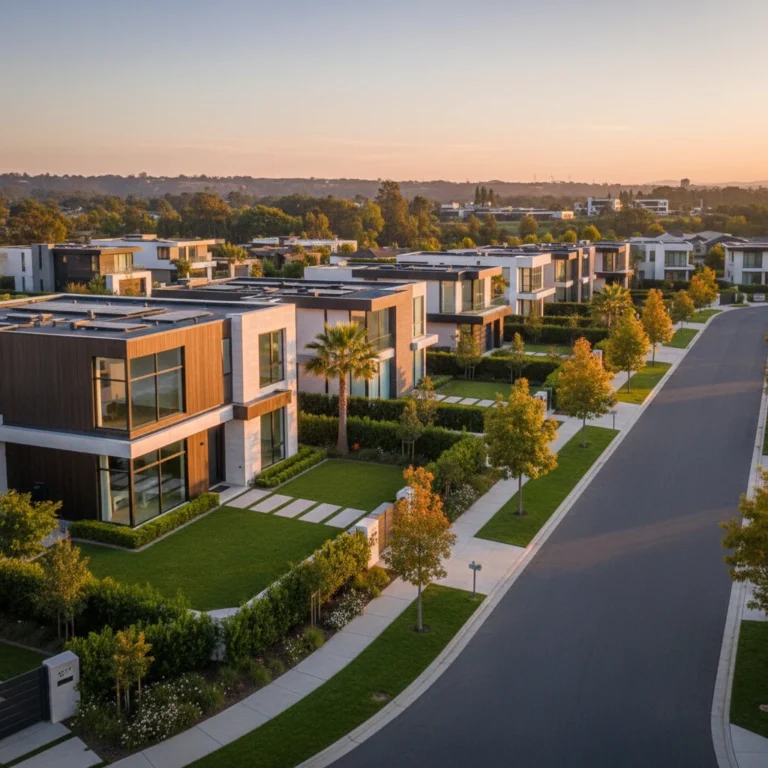


A premium address can be presented beautifully long before it proves its value. Renderings, branded interiors, and ambitious price projections may create confidence, but they do not confirm that a developer can deliver on time, to specification, and with lasting market relevance. Knowing how to evaluate developer credibility is therefore not a formality. It is a central part of protecting capital in Istanbul and Dubai.
For cross-border buyers, the issue carries additional weight. You may be investing from thousands of miles away, navigating a different legal framework, and relying on the developer’s execution long before you receive the keys. The right assessment looks beyond reputation alone. It tests whether the developer’s history, financial discipline, construction standards, and contractual commitments support the investment case.
Start With Delivery, Not Marketing
A developer’s completed portfolio is its most persuasive evidence. Ask what it has actually delivered, not simply what it has announced or sold. A long pipeline can be impressive, but completed projects reveal how an organization performs when plans meet construction cycles, market shifts, and handover obligations.
Review past developments with a critical eye. Were projects delivered close to their promised dates? Did the final building reflect the quality of the original sales materials? Have common areas, landscaping, and amenities retained their standard after occupancy? In luxury real estate, the distinction between a polished launch and a well-managed asset becomes more visible with time.
Where possible, inspect completed projects in person or through a qualified local representative. Speak with owners, tenants, and property managers. Their perspective may reveal recurring concerns around defects, service charges, maintenance response times, or rental demand that a sales gallery will not address.
A delayed project is not automatically a reason to walk away. Delays can arise from permitting, supply constraints, or broader economic conditions. What matters is the pattern: how frequently delays occur, whether the developer communicated transparently, and whether buyers received a credible path to completion.
How to Evaluate Developer Credibility Through Financial Strength
Construction quality depends on financial capacity. A developer may have exceptional design ambitions, but ambitious plans do not fund construction. Investors should seek a clear view of how a project is financed, what protections apply to buyer payments, and whether the developer has the balance sheet and delivery discipline to withstand changing market conditions.
In Dubai, buyers should verify the project and relevant developer registrations through the appropriate real estate authority and understand the role of the project escrow account. In Istanbul, the due diligence process should include verification of title status, permits, zoning alignment, and the developer’s legal authority to sell the units being offered. Local counsel and independent advisers are essential here, particularly for investors purchasing from abroad.
Ask direct questions about the developer’s capital structure and construction progress. Is the project substantially reliant on off-plan sales? Is there institutional financing or a credible equity base behind it? Does the payment plan align with demonstrated construction milestones, or does it collect a disproportionate amount before meaningful progress is visible?
Financial strength is not measured only by size. A focused developer with a disciplined pipeline may present a better risk profile than a large operator pursuing too many projects at once. The goal is to identify a business that treats delivery as a long-term reputation asset, not merely a sales event.
Separate the Developer From the Project
An established name improves confidence, but it does not make every project equally investable. Each development has its own land basis, construction partner, design brief, pricing strategy, and target buyer profile. Even a highly regarded developer can misjudge a location or introduce supply at a level the market cannot absorb easily.
Evaluate the specific project’s position within its submarket. Is it located near established transport, business, waterfront, education, or lifestyle infrastructure? Is its unit mix appropriate for actual demand? Does the pricing reflect genuine scarcity and quality, or does it rely on a brand premium that may be difficult to defend at resale?
This is especially relevant in fast-moving districts of Dubai and in Istanbul’s varied micro-markets. Two developments a short distance apart can have materially different rental profiles, buyer pools, and liquidity prospects. Developer credibility reduces execution risk. It does not replace location analysis or pricing discipline.
Read the Contract as an Investment Document
The reservation form and sales agreement should be treated with the same seriousness as the property itself. Promotional materials describe an aspiration. The contract defines your enforceable rights.
Before committing funds, have a qualified lawyer review the documents and clarify the terms that govern completion, handover, specifications, payment default, cancellation, and dispute resolution. Pay particular attention to clauses that permit material changes to the unit, views, facilities, finishes, or delivery date.
Your review should establish four practical points:
- The exact legal entity selling the property and its authority to do so.
- The payment schedule, escrow or payment protections, and consequences of delayed construction.
- The documented specifications for the unit, building amenities, parking, and common areas.
- The conditions for cancellation, assignment, resale, and final title transfer.
A credible developer will not regard informed questions as an obstacle. It will provide clear documentation, consistent answers, and a professional process. Evasive explanations, pressure to sign immediately, or inconsistencies between sales language and contract terms should be treated as material warning signs.
Test Quality Beyond the Show Unit
A show unit is designed to persuade. It may include upgraded finishes, carefully controlled lighting, and furnishings that do not form part of the standard delivery. Ask for the written material schedule, approved floor plans, appliance brands, ceiling heights, façade details, and amenity specifications.
Then compare these promises with earlier completed projects from the same developer. The quality of joinery, elevators, corridors, lobbies, parking areas, and mechanical systems often tells a more reliable story than a model apartment. These details shape daily ownership experience, operating costs, tenant appeal, and eventual resale perception.
Consider who will manage the building after handover. In premium residential and mixed-use assets, weak operations can erode an otherwise excellent development. A respected operator, a sensible service-charge structure, and a realistic maintenance strategy are part of the developer’s credibility equation.
Examine Reputation With Precision
Online reviews can be useful, but they are rarely sufficient. A handful of glowing testimonials proves little, and a cluster of negative comments may reflect an isolated service issue rather than a structural concern. Look for repeated themes across independent conversations, owner communities, professional advisers, and completed assets.
The most valuable questions are specific: Does the developer honor defect obligations? Are post-handover teams responsive? Do owners perceive fair treatment? Has the developer maintained its positioning through market cycles? A reputation built over several completed projects and changing conditions carries more weight than launch-period enthusiasm.
For investors pursuing Turkish citizenship by investment, credibility must extend to compliance. The asset, valuation, title documentation, payment trail, and transaction structure must be examined carefully to ensure the purchase is suitable for the intended application. No developer promise should substitute for independent legal and regulatory verification.
Use Independent Advice to Protect Your Position
The developer’s sales team represents the developer’s interests. That is normal. Your advisory team should represent yours.
An independent, market-literate adviser can benchmark the project against competing inventory, assess whether the payment plan reflects value or merely creates an illusion of affordability, and identify risks that may not be visible in a presentation. Coordinated legal, technical, and investment review is particularly valuable when acquiring multiple units, purchasing through a corporate structure, or building a cross-border portfolio.
At RAD Global, the objective is not to circulate every available project. It is to narrow the field to opportunities where developer quality, location, pricing, and long-term exit potential align with the investor’s strategy.
Credibility is ultimately demonstrated in the years after a launch: in the quality of the handover, the condition of the building, the confidence of its owners, and the asset’s ability to hold its place in the market. Take the time to verify those foundations before you commit. The best property decisions are not driven by urgency. They are built on evidence.