
Waterfront property is often presented as a lifestyle purchase with an investment upside. For serious capital, that order should be reversed. A waterfront investment projects review must begin with the asset’s ability to preserve value through market cycles, generate defensible demand, and remain liquid when the time comes to sell. The view matters. The investment case matters more.
In Istanbul and Dubai, waterfront developments can sit at the intersection of global mobility, limited land supply, luxury hospitality, and residential demand. Yet not every address near the water deserves a premium, and not every premium is justified by the project’s fundamentals. The strongest opportunities are defined by scarcity, execution, connectivity, and an exit strategy established before acquisition.
What a Waterfront Investment Projects Review Should Test
A disciplined review separates genuine waterfront scarcity from attractive marketing. An apartment that faces a marina, canal, beach, or Bosphorus shoreline may command a higher entry price, but that premium should be supported by more than photography and branded amenities.
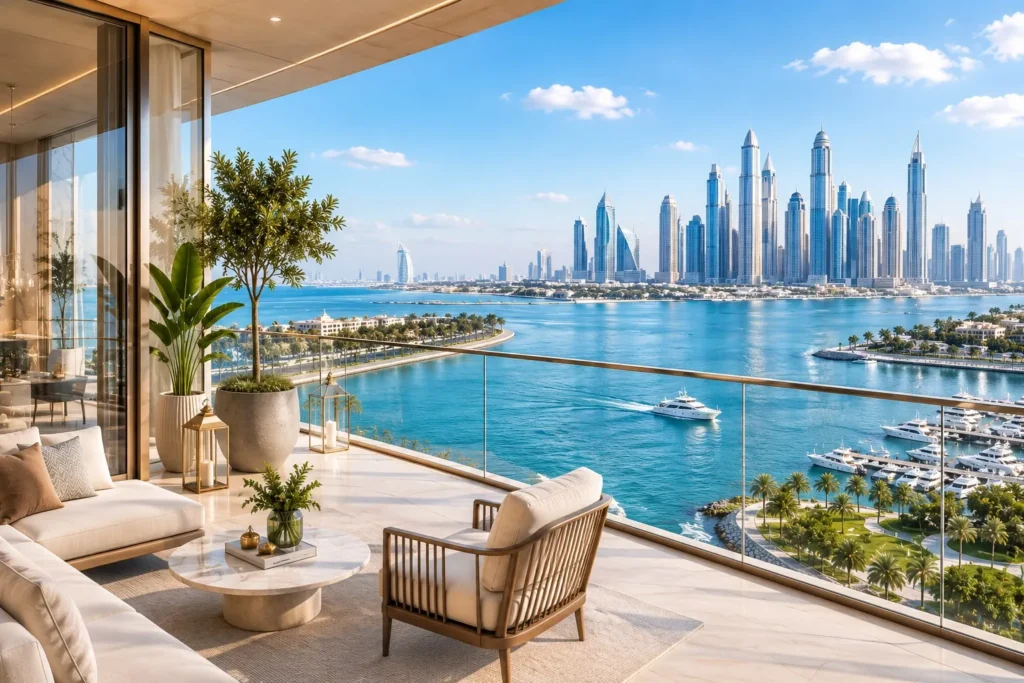
The first question is whether the project has protected views and a meaningful relationship to the water. Direct frontage, permanent open sightlines, private marina access, and a controlled coastal setting tend to carry more enduring value than partial views across future development plots. Buyers should also examine the surrounding master plan. A project may be waterfront today while its view corridor, privacy, or access is altered by the next construction phase.
The second question is demand depth. Luxury waterfront stock performs best when it attracts more than one buyer profile: end users seeking a primary or second home, international investors seeking rental income, and purchasers who value a prestigious address as a store of wealth. A project dependent on one narrow audience can become difficult to exit during a softer cycle.
Finally, the review must distinguish between headline price and total investment basis. Service charges, marina fees, furnishing requirements, payment-plan obligations, taxes, transaction costs, and ongoing management all influence net performance. A lower-priced unit with weak positioning can be more expensive in practice than a correctly priced residence in a superior development.
Location Is More Than a Water View
Waterfront value is created by proximity, but not proximity to water alone. It is created by the quality of life and access that the location can sustain. For an internationally mobile family, that may mean airport connectivity, leading schools, dining, healthcare, and security. For a corporate buyer, it may mean proximity to commercial districts, hospitality infrastructure, and an address recognizable to global tenants.
In Dubai, established and emerging waterfront districts require different underwriting. Mature locations may offer clearer rental comparables, stronger liquidity, and a more proven lifestyle ecosystem. Emerging master-planned areas can offer earlier entry and greater appreciation potential, but they also carry delivery, supply, and timing risk. The right choice depends on whether the investor prioritizes immediate income, capital growth, or a balanced holding strategy.
Istanbul requires equally precise analysis. Bosphorus-facing residences, marina communities, and coastal districts can possess exceptional cultural and geographic appeal, but their investment profiles are not interchangeable. The micro-location, access to central business areas, neighborhood character, title structure, and developer track record deserve close attention. A compelling waterfront address should work for both the international purchaser and the local high-value buyer who will ultimately support resale liquidity.
The premium must be measurable
Waterfront projects commonly trade at a premium. That is appropriate when the asset has qualities that are difficult to reproduce: limited shoreline supply, direct access, enduring views, exceptional architecture, or an established luxury ecosystem. It is less defensible when the premium rests on a broad district label or a speculative promise of future amenities.
Compare the asking price against truly relevant alternatives, not simply the average price per square foot in the wider area. A high-floor, direct-water corner residence cannot be evaluated against an inland unit in the same community. Equally, a developer cannot justify an excessive premium by comparing an ordinary water-facing unit to the best trophy inventory in the district.
Developer Quality Determines the Experience and the Exit
For off-plan and newly delivered projects, the developer is part of the investment. Architecture, construction quality, handover discipline, public areas, landscaping, retail curation, and property management shape both the owner experience and future buyer perception.
A credible developer does not eliminate risk, but it reduces uncertainty. Review its delivered portfolio, not only its current launches. Examine whether prior projects maintained their positioning after handover, whether common areas aged well, and whether owners received what was promised in the sales presentation. In premium real estate, detail is not cosmetic. It affects tenant retention, service costs, reputation, and resale confidence.
Branded residences require additional scrutiny. A recognized hospitality or luxury brand may support global visibility and rental appeal, but the agreement behind the brand matters. Investors should understand the operating model, management standards, fee structure, brand duration, and whether the branding meaningfully improves service and distribution. A logo alone is not an investment thesis.
Rental Demand Must Be Underwritten Conservatively
Waterfront residences can command premium rents, particularly in markets with strong tourism, executive mobility, and luxury short-stay demand. However, projected yields should be tested against realistic occupancy, seasonal variation, furnishing costs, building rules, and management fees.
Long-term leasing can provide stability where executive tenants, affluent families, and corporate relocations support demand. Short-term rental strategies may offer higher gross income in certain locations, but they require more active management and can be sensitive to regulation, new supply, and changing travel patterns. Neither model is automatically superior. The right approach depends on the specific building, local rules, owner objectives, and tolerance for operational involvement.
Investors should also consider the unit type. Compact waterfront residences may achieve high rental rates relative to size, while larger homes can appeal to a narrower but more resilient family or executive market. The most attractive unit is not necessarily the largest or most visually impressive. It is the one with the strongest alignment between acquisition cost, tenant profile, operating expense, and resale demand.
Resilience, Ownership, and Hidden Friction
Waterfront ownership brings practical considerations that should be reviewed before a reservation is signed. Coastal exposure can increase maintenance needs. Salt air, humidity, wind, and marine conditions place greater pressure on façades, balconies, glazing, mechanical systems, and external finishes. High-quality design and professional management are therefore central to long-term value, not secondary luxuries.
Legal and transaction matters also require local precision. International buyers should confirm title status, purchase eligibility, payment security, ownership costs, and applicable residency or citizenship pathways before committing capital. For investors considering Turkey’s citizenship by investment route, qualifying criteria and documentation must be assessed against the actual transaction structure rather than assumed from marketing materials.
Currency exposure should be considered alongside property performance. A property can appreciate in local currency while producing a different result in the investor’s home currency. Financing availability, repatriation planning, and the intended holding period should form part of the initial investment strategy, particularly for buyers allocating capital across multiple jurisdictions.
Exit Value Begins at Acquisition
The finest waterfront investments are purchased with a clear view of the next buyer. This does not mean attempting to predict short-term price movement. It means acquiring an asset with characteristics that remain persuasive when market sentiment is less exuberant: a prime position, trusted developer, practical layout, high-quality finishes, controlled supply, and a location people genuinely want to occupy.
Avoid over-customized units, compromised layouts, and inventory with excessive competition in the same building. A residence may be beautiful yet difficult to sell if hundreds of comparable units reach the market simultaneously. Scarcity within the project matters as much as scarcity within the district.
RAD Global approaches premium waterfront acquisitions as strategic holdings, not isolated transactions. The objective is to identify assets where lifestyle distinction and financial discipline reinforce one another, with a clear understanding of entry price, ownership structure, rental positioning, and future liquidity.
A waterfront residence should give its owner more than an exceptional outlook. It should provide confidence that the address, the development, and the investment rationale will remain compelling long after the launch event has passed.