
Table of Contents
- What is a Tapu (Title Deed) in Turkey?
- Key Types of Tapu in Turkey Every Buyer Should Know
- Detailed Classifications: Red vs. Blue Title Deeds
- Kat İrtifakı vs. Kat Mülkiyeti: Ownership Stages Explained
- Shared vs. Independent Deeds: Hisseli Tapu and Müstakil Tapu
- Comprehensive Comparison Table of Tapu Types
- How to Select Between Different Types of Tapu in Turkey
- How to Verify Title Deeds at the Land Registry Office
- Legal Process and Deed Registration Fees in 2026
- Frequently Asked Questions
- Red Tapu vs. Blue Tapu: Red deeds represent residential and commercial freehold ownership, whereas blue deeds signify land, agricultural fields, or vacant plots.
- The Critical Role of Kat Mülkiyeti: Transitioning from construction servitude (Kat İrtifakı) to full legal ownership (Kat Mülkiyeti) requires a habitation certificate (İskan), ensuring complete legal safety.
- Due Diligence Protection: Verifying title deeds directly through official registry records prevents unexpected encumbrances, mortgages, or legal restrictions prior to purchase.
Navigating the real estate market in Turkey offers lucrative opportunities for international investors, lifestyle buyers, and commercial entities. However, achieving a secure transaction requires a thorough understanding of the legal documentation that protects real estate ownership. When purchasing residential, commercial, or agricultural real estate, understanding the distinct types of tapu in turkey is essential for safeguarding your financial commitment and ensuring absolute legal title rights.
A Title Deed, known locally as a Tapu, serves as the sole official legal document proving land or property ownership in Turkey. Issued exclusively by the General Directorate of Land Registry and Cadastre (Tapu ve Kadastro Genel Müdürlüğü), this document outlines property boundaries, owner credentials, usage rights, and official registration details. Because distinct legal classifications dictate how a property can be used, developed, or resold, recognizing how various types of tapu in turkey impact real estate ownership empowers investors to make informed decisions.
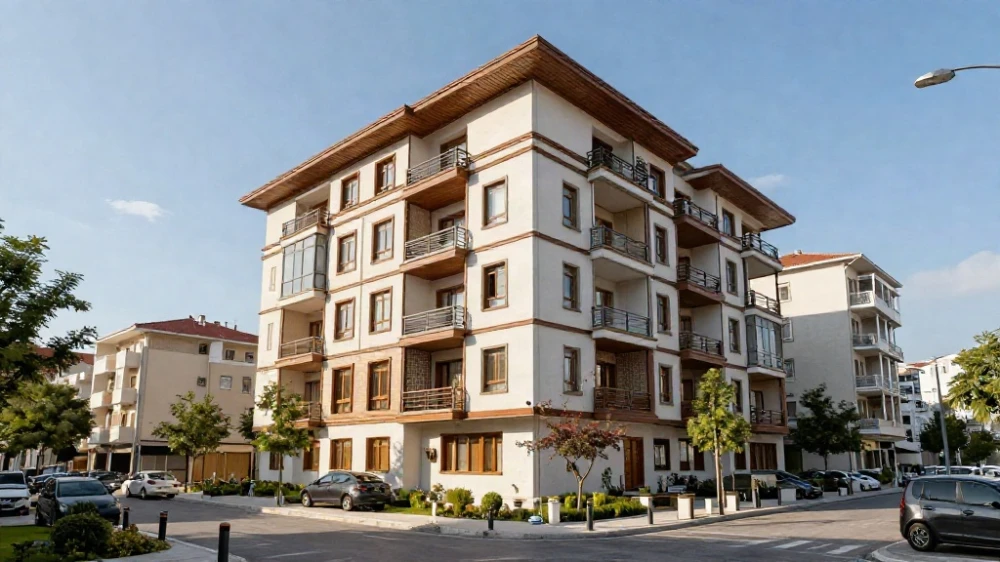
What is a Tapu (Title Deed) in Turkey?
The Turkish title deed system is standardized across all provinces, providing a centralized legal framework that guarantees registered rights under Turkish civil law. Whether buying a luxury villa in Istanbul, a sea-view apartment in Antalya, or agricultural acreage in Izmir, the Tapu is the legal instrument that establishes absolute ownership. Navigating the legal landscape requires recognizing how types of tapu in turkey impact real estate ownership, transfer rights, and overall asset security.
In Turkey, title deeds are divided into color-coded categories and legal status classifications. The document itself contains specific technical data, including section numbers (Pafta), block numbers (Ada), parcel numbers (Parsel), independent unit numbers, and land share percentages. Understanding these entries ensures that the physical unit matches its official registry representation, eliminating legal ambiguities.
Key Types of Tapu in Turkey Every Buyer Should Know
To evaluate potential investments accurately, real estate buyers must differentiate between the primary legal designations used by Turkish land registry authorities. When exploring the various types of tapu in turkey, buyers will most frequently encounter two distinct color categories: Red Title Deeds and Blue Title Deeds. Each represents entirely different property rights and development permissions.
Beyond color designations, title deeds are categorized by their stage of development and ownership structure. Failing to recognize these distinctions can lead to unexpected municipal fines, difficulties in securing utility connections, or legal disputes regarding property boundaries.
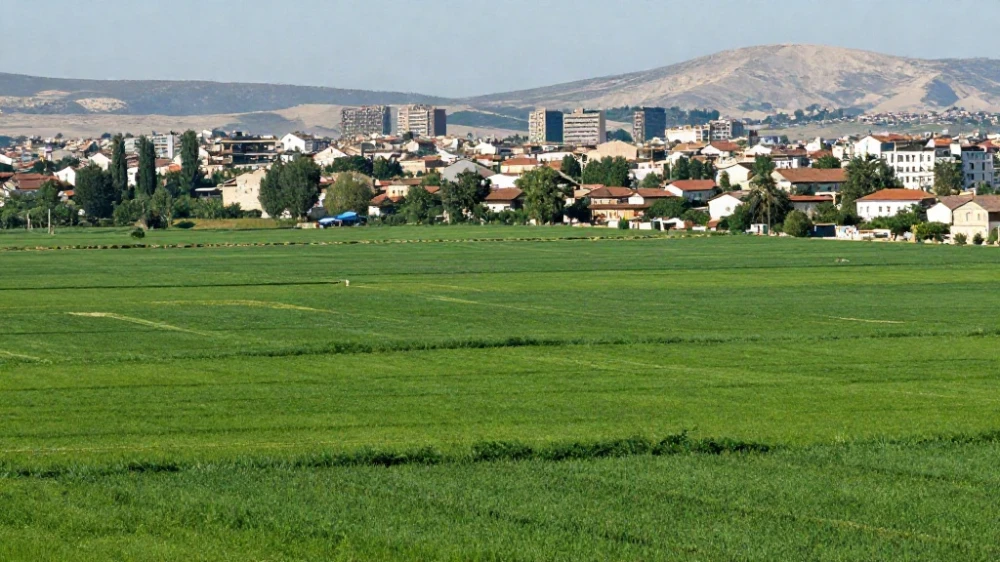
Detailed Classifications: Red vs. Blue Title Deeds
1. Red Title Deed (Kırmızı Tapu)
The Red Title Deed is the standard document issued for residential and commercial properties. When reviewing the predominant types of tapu in turkey for urban real estate, the red deed applies to properties that feature an established architectural project, an individual building unit, or a multi-dwelling complex. Key property categories governed by Red Title Deeds include:
- Residential Apartments: Units in high-rise buildings, residential complexes (Site), and standalone apartment blocks.
- Villas and Townhouses: Independent residential properties with individual or shared land plots.
- Commercial Premises: Retail shops, offices, shopping centers, and industrial warehouses.
2. Blue Title Deed (Mavi Tapu)
Among the non-residential types of tapu in turkey, the blue deed represents raw land, agricultural fields, or non-built plots (Arsa / Arazi). Owning a property under a Blue Title Deed means that no approved building or independent residential unit currently exists on the legal record. Blue title deeds generally cover:
- Agricultural Land (Tarla): Fields intended strictly for farming or agricultural production, subject to strict development limitations.
- Building Plots (Arsa): Land zoned by local municipalities for urban development, ready for construction according to zoning regulations (İmar).
- Shared Land (Hisseli Arsa): Unfragmented acreage owned collectively by multiple individuals without defined physical borders.
Kat İrtifakı vs. Kat Mülkiyeti: Ownership Stages Explained
When purchasing residential or commercial properties registered with a Red Title Deed, investors must carefully check the legal status box marked on the document. The two primary developmental stages are Kat İrtifakı (Construction Servitude) and Kat Mülkiyeti (Full Ownership).
Construction Servitude (Kat İrtifakı)
Evaluating types of tapu in turkey during off-plan construction often leads buyers to Kat İrtifakı. This deed indicates that the developer has submitted an architectural project to the local municipality and registered individual property shares for each planned unit before or during construction. While Kat İrtifakı legally protects a buyer’s right to a specific unit in an under-construction project, it is considered an intermediate legal status. The construction phase must ultimately yield a completed building that strictly follows municipal planning codes.
Full Ownership and Habitation Status (Kat Mülkiyeti)
Considered the safest among all types of tapu in turkey, Kat Mülkiyeti signifies full legal ownership of a completed building unit that holds a valid Habitation Certificate (İskan). The municipality issues an İskan only after technical inspectors verify that the structure complies fully with fire safety, earthquake safety, environmental, and architectural standards. Obtaining Kat Mülkiyeti guarantees that utility subscriptions (electricity, gas, water) can be registered permanently without administrative penalties.
Shared vs. Independent Deeds: Hisseli Tapu and Müstakil Tapu
Shared Title Deed (Hisseli Tapu)
Investors examining complex types of tapu in turkey must understand Hisseli Tapu. A shared title deed lists multiple co-owners for a single parcel of land or property without demarcating individual physical boundaries. While the deed indicates each owner’s exact percentage share, it does not state which physical portion of the property belongs to which individual. Purchasing a Hisseli Tapu carries legal risks, such as pre-emption rights (Şufa Hakkı), where co-owners hold legal priority to buy out sold shares at declared tax values.
Independent Title Deed (Müstakil Tapu)
An independent title deed indicates absolute, singular ownership over a specific parcel of land or property unit. The holder of a Müstakil Tapu possesses full legal control over the asset without requiring consent or signatures from co-owners, making it the preferred ownership structure for international real estate buyers.
Comprehensive Comparison Table of Tapu Types
The following overview highlights how these types of tapu in turkey differ in function, ownership structure, and municipal status:
| Deed Type | Primary Color | Property Type | Legal Status / Usage | Risk Level |
|---|---|---|---|---|
| Kat Mülkiyeti | Red | Completed Apartment / Office / Villa | Full ownership with municipal Habitation Permit (İskan). | Very Low |
| Kat İrtifakı | Red | Off-plan or under-construction unit | Servitude rights assigned to individual units prior to final İskan. | Low to Moderate |
| Arsa Tapusu | Blue | Zoned Land Plot | Land designated for construction under municipal guidelines. | Low |
| Tarla Tapusu | Blue | Agricultural Land | Farming land with strict restrictions on permanent buildings. | Moderate to High |
| Hisseli Tapu | Red or Blue | Shared Property or Unallocated Land | Collective ownership share without physical boundary divisions. | High |

How to Select Between Different Types of Tapu in Turkey
Selecting the appropriate legal ownership structure depends on your investment strategy, financial structure, and long-term risk tolerance. Whether choosing cash or financing options, evaluating types of tapu in turkey remains vital to ensuring asset liquidity and future profitability. For instance, institutional investors seeking steady rental yields should focus on commercial assets or residential apartments holding Kat Mülkiyeti status.
Furthermore, when planning long-term exit strategies, analyzing the types of tapu in turkey associated with a property dictates how seamlessly the asset can be liquidated or converted into secondary capital. Property buyers seeking comprehensive capital management strategies often weigh cash purchase versus mortgage options to determine how financing aligns with deed verification requirements.
Similarly, understanding deed classifications forms the backbone of strategic property exit planning, enabling owners to transfer titles smoothly without encumbrances or title defects slowing down sales negotiations.
How to Verify Title Deeds at the Land Registry Office
Verifying specific types of tapu in turkey at the Land Registry Office requires comprehensive due diligence prior to signing binding contracts or transferring funds. Relying solely on physical title deed certificates is insufficient, as legal claims against the property are registered in official government databases rather than printed on paper.
Step-by-Step Title Verification Checklist
- Check for Encumbrances (Şerh): Inspect land records for existing mortgages (Hipotek), legal liens (Haciz), or ongoing court disputes that could restrict ownership transfer.
- Verify the Habitation Permit (İskan): Ensure off-plan or newly built developments have transitioned from Kat İrtifakı to Kat Mülkiyeti or hold an official municipal application for İskan.
- Cross-Check Cadastral Coordinates: Confirm through the TAKBİS digital portal that the physical unit and its layout match official survey maps.
- Confirm Citizenship Eligibility: If acquiring real estate to apply for Turkish Citizenship by Investment, verify that the legal title matches valuation criteria set by official regulations in 2026.
Understanding these distinct types of tapu in turkey protects foreign buyers from non-compliant properties, unpermitted additions, or legal disputes, securing peace of mind throughout the transaction.
Legal Process and Deed Registration Fees in 2026
Transferring various types of tapu in turkey involves government administrative fees, legal taxes, and official translation charges. In 2026, the standard legal fees and registration costs include:
- Title Deed Transfer Tax (Tapu Harcı): Calculated at 4% of the declared property value, typically split equally (2% each) between seller and buyer, unless contractually agreed otherwise.
- Revolving Fund Fee (Döner Sermaye): A fixed administrative processing fee paid directly to the local Land Registry Office.
- Real Estate Valuation Report (Ekspertiz Raporu): Mandatory for foreign buyers to confirm market value and prevent tax under-declaration.
- Official Sworn Translator Fees: Required during deed sign-off at the Land Registry Office for non-Turkish speaking buyers.
Discover how Rad Global ensures security and strategic alignment throughout your property acquisition journey: RAD GLOBAL Building Trust. Shaping Vision. Creating Legacy.
Frequently Asked Questions
What is the safest title deed type when buying real estate in Turkey?
The safest among all main types of tapu in turkey is Kat Mülkiyeti (Full Ownership Title Deed). It guarantees that the property holds a valid municipal Habitation Permit (İskan), complies with construction codes, and grants clear legal ownership rights over the specific independent unit.
Can a foreigner buy agricultural land with a Blue Tapu in Turkey?
Foreign individuals face specific legal restrictions when purchasing agricultural land (Tarla) under a Blue Title Deed. Foreigners can acquire land provided they submit an acceptable agricultural development project to the Ministry of Agriculture within two years. Otherwise, purchasing zoned building land (Arsa) is standard practice.
What happens if a property has Kat İrtifakı but no İskan?
A property with Kat İrtifakı is legally owned by the buyer, but the absence of an İskan (Habitation Permit) means the building may lack final municipal approval. This can lead to higher commercial utility rates, difficulties in obtaining utility subscriptions, or potential delays when selling the property in the future.