


Table of Contents
- Overview of Property Evaluation in Turkey
- Key Criteria for Turkish Citizenship by Investment Property Evaluation
- Step-by-Step Practical Real Estate Valuation Methodology
- Legal Due Diligence, Tapu Checks, and Regulatory Compliance
- Financial Structuring: Payment Models and Foreign Currency Rules
- Identifying Red Flags and Avoiding Overpriced Citizenship Assets
- Real-World Case Study: Evaluating Commercial vs. Residential Assets
- Frequently Asked Questions
Overview of Property Evaluation in Turkey
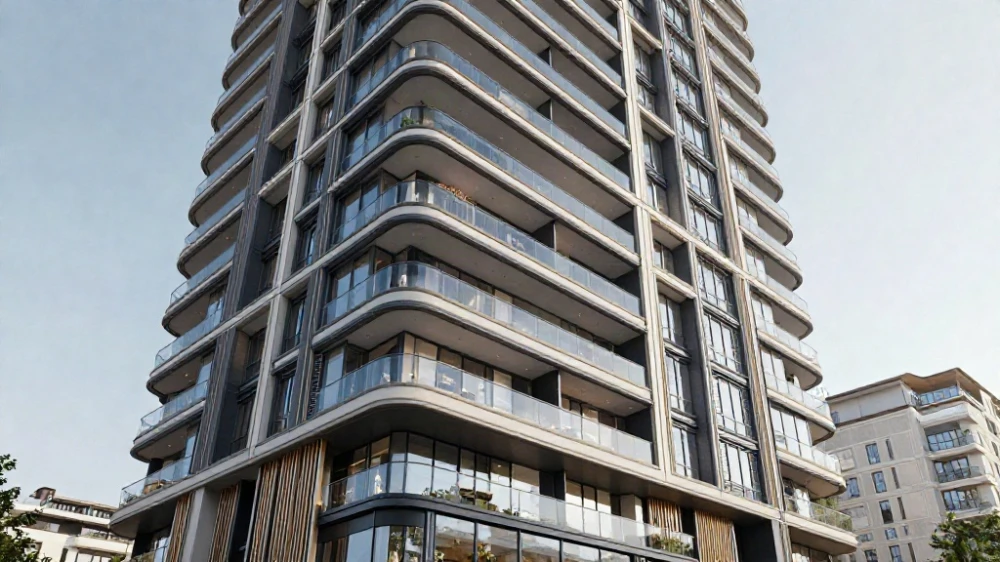
Securing Turkish Citizenship by Investment has become one of the most popular direct routes to global mobility, wealth diversification, and high-yield real estate holding in recent years. While the foreign investment legislation offers a streamlined, transparent pathway, acquiring real estate is not merely a legal gateway; it is fundamentally a capital allocation decision. Investors who approach the market purely as a checklist exercise for immigration often run the risk of purchasing inflated assets that suffer from poor liquidity, inadequate capital appreciation, or sluggish rental yields.
To maximize financial returns while satisfying all legal requirements in 2026, high-net-worth investors must undertake rigorous real estate evaluation before transferring funds or signing binding commitments. Assessing property in dynamic markets such as Istanbul, Antalya, Ankara, or Bodrum requires a balanced blend of legal verification, micro-market physical analysis, and long-term financial modeling. By conducting systematic due diligence, international buyers can ensure their acquisition delivers both a legal passport and a resilient, income-generating real estate portfolio.
Key Criteria for Turkish Citizenship by Investment Property Evaluation
When evaluating potential assets for Turkish Citizenship by Investment, market participants must distinguish between developer marketing claims and actual market fundamentals. The dynamic nature of Turkish metropolitan centers means that neighboring districts—and even adjacent blocks—can exhibit wildly different growth trajectories, tenant demographics, and price resilience.
A structured evaluation framework begins by establishing key parameters across physical, legal, and economic dimensions:
- Location and Micro-Market Infrastructure: Proximity to major transport corridors (such as the E-5, TEM, or Marmaray rail lines in Istanbul), financial centers, universities, and healthcare infrastructure directly impacts resale speed and tenant demand.
- Valuation Compliance: The property’s official appraisal value—issued by a Capital Markets Board (SPK) licensed surveyor—must meet or exceed the statutory minimum threshold ($400,000 USD equivalent) independent of the listing price.
- Title Deed Clarity (Tapu): Verification of absolute ownership rights, absence of mortgages, liens, or military clearance restrictions, and proper zoning designation (Kat Mülkiyeti vs. Kat İrtifakı).
- Developer Track Record and Financial Health: For off-plan or newly constructed developments, examining the builder’s past delivery records, bank guarantee availability, and construction completion status is essential.
Selecting real estate for Turkish Citizenship by Investment demands an objective view of historical appreciation data. Working with independent market advisors rather than sales agents tied to single developments ensures that asset values reflect true arms-length transactions rather than inflated citizenship packages.
Step-by-Step Practical Real Estate Valuation Methodology
Evaluating real estate efficiently requires a three-tiered valuation methodology that combines comparative market analysis, yield calculation, and independent appraisal verification. Implementing this framework prevents overpayment and ensures long-term wealth preservation.
1. Comparative Market Analysis (CMA)
Before making an offer, calculate the per-square-meter price of net usable space across 5 to 10 comparable properties within a 1-kilometer radius. Distinguish clearly between gross built area (which includes common spaces, elevator shafts, and parking allocation) and net interior living space. In major urban developments, gross-to-net ratios can vary between 20% and 35%. Comparing properties on a net square meter basis exposes artificial price premiums frequently attached to foreign-targeted listings.
2. Income Capitalization and Rental Yield Modeling
For investors focused on passive income, evaluating gross vs. net yield is crucial. A property generating nominal high rent may carry steep maintenance fees (aidat), management costs, or tax liabilities. Analyze lease contracts carefully, particularly when acquiring units with pre-negotiated rental guarantee schemes. Ensure that guaranteed rental rates reflect genuine local market conditions rather than developer price markups built into the purchase price.
3. Independent SPK Valuation Review
In accordance with Turkish immigration laws, every property transaction under the citizenship framework requires an independent appraisal by an SPK-certified appraiser. However, smart investors order an independent preliminary valuation *before* signing binding contracts or transferring large deposits. Comparing this independent figure against the seller’s asking price guarantees that the property will satisfy official requirements without forced capital top-ups.
Furthermore, evaluating long-term liquidity is vital for eventual asset disposition. Understanding various investment property exit strategies enables investors to position their Turkish real estate for smooth resale once the compulsory legal holding period concludes.

Legal Due Diligence, Tapu Checks, and Regulatory Compliance
Legal security forms the backbone of any sound real estate acquisition, particularly when foreign exchange transfers and citizenship eligibility are connected to the title deed transfer. A thorough legal check must be conducted by a qualified real estate attorney prior to signing sales contracts or releasing funds.
The core legal evaluation steps include verifying:
- Title Deed Type (Tapu): Confirm whether the property possesses Kat Mülkiyeti (full ownership of established building unit) or Kat İrtifakı (construction servitude/floor easement). Properties with Kat Mülkiyeti have completed all official building audits and possess an İskan (occupancy permit), which protects the owner against municipal fines or building demolition orders.
- Encumbrances and Liens: Check the Land Registry (Tapu Dairesi) for outstanding mortgages (ipotek), tax liens, or legal disputes attached to the property record. All encumbrances must be cleared prior to or during title transfer.
- Demographic and Foreign Ownership Limits: Under Turkish regulations, certain neighborhood sectors or military zones carry restrictions where total foreign real estate ownership cannot exceed specific percentage caps. Verifying neighborhood eligibility with local registry offices avoids unexpected application rejections.
- Citizenship Reservation Restriction (Şerh): Ensure the sales agreement incorporates the official legal undertaking placed on the title deed record, stating that the property will not be sold or transferred for a minimum of three years, as required by immigration authorities.
Conducting detailed legal due diligence in Turkish Citizenship by Investment acquisitions ensures that property records are flawless, avoiding administrative delays during government processing.
Financial Structuring: Payment Models and Foreign Currency Rules
Executing financial transfers accurately is just as critical as selecting the physical property. Turkish regulations enforce strict banking channels and currency conversion rules to protect foreign exchange reserves and verify anti-money laundering compliance.
Under the statutory rules established by the Central Bank of the Republic of Turkey (TCMB), foreign currencies (USD, EUR, GBP) brought into the country for real estate citizenship purchases must be converted into Turkish Lira through an authorized domestic bank prior to title deed registration. The bank issues a foreign exchange purchase certificate, known as the Döviz Alım Belgesi. This document serves as primary evidence of investment capital and must explicitly match the seller’s payment receipt and official appraisal amount.
When planning capital allocation, investors often compare cash settlements against structured leverage or deferred payment structures. Analyzing cash purchase versus mortgage options allows buyers to evaluate liquidity reserves, debt servicing costs, and interest rate exposure before committing capital.
To verify up-to-date economic data, legal statutes, and investment guidelines, investors can refer directly to the official regulatory updates published on the Invest in Türkiye official portal.
Proper financial planning under the Turkish Citizenship by Investment guidelines protects the buyer against exchange rate volatility between agreement signing and official title registration.

Identifying Red Flags and Avoiding Overpriced Citizenship Assets
The high demand for Turkish residency and passport programs has led to predatory practices by unverified brokers or aggressive developers targeting non-resident buyers. Recognizing warning signs during property evaluation safeguards investor capital.
Key red flags to watch out for during evaluation include:
- Extreme Discrepancy Between Listing Price and SPK Valuation: If a seller asks $450,000 USD but the independent appraiser values the property at $320,000 USD, the asset fails to satisfy statutory requirements without requiring additional real estate purchases to make up the deficit.
- Missing Occupancy Permit (İskan): Buying in completed buildings without an İskan exposes owners to higher utility tariffs, difficulties in obtaining commercial utility subscriptions, and potential municipal legal sanctions.
- Guaranteed Yields Significantly Above Market Averages: Guaranteed rental yields exceeding 8-10% annually in hard currency are often financially unsustainable. In many cases, developers simply inflate the initial purchase price to fund the “guaranteed” payouts over the initial contract period.
- Vague Title Deed Transfer Timelines: Off-plan projects lacking construction progress guarantees, bank-backed completion bonds, or clear title delivery dates present elevated risk for international investors seeking rapid citizenship processing.
Adopting robust risk management strategies in Turkish Citizenship by Investment investments helps preserve long-term principal values and ensures project execution timelines are fully met.

Real-World Case Study: Evaluating Commercial vs. Residential Assets
To understand practical evaluation in action, consider a prospective investor assessing two distinct portfolio options in Istanbul, both aiming to fulfill the statutory requirements for foreign investment.
Option A: Residential Development in Istanbul’s Suburban Growth Corridor
An investor evaluates three off-plan residential units in an expanding suburban neighborhood. The asking price totals $420,000 USD. Upon conducting net-to-gross area measurement, the investor discovers a 32% common area deduction, bringing effective usable living space down significantly. Furthermore, a preliminary SPK appraisal indicates a valuation of only $365,000 USD due to abundant surrounding competition and high future inventory supply. Result: Option A carries significant valuation risk and limited immediate yield potential.
Option B: Prime Commercial Real Estate with Corporate Tenant
The investor evaluates a ground-floor commercial unit in an established central business district leased to an international retail chain. The contract carries a 10-year registered lease indexed to inflation. The asking price is $430,000 USD. The independent SPK report values the asset at $435,000 USD, driven by long-term contractual cash flows and prime land value. Result: Option B provides instant cash flow, legal compliance, strong liquidity, and reliable wealth preservation.
This comparison demonstrates how rigorous evaluation of Turkish Citizenship by Investment options helps buyers select stable, cash-flowing assets over speculative residential units.
RAD GLOBAL Building Trust. Shaping Vision. Creating Legacy.
Frequently Asked Questions
How long must I hold real estate acquired under the Turkish Citizenship by Investment program?
Properties purchased under the citizenship program must be held for a minimum of three consecutive years from the date the official restriction (şerh) is recorded at the Land Registry Office. Once the three-year statutory holding period expires, owners are free to sell, transfer, or restructure their real estate assets without affecting their citizenship status.
Can I combine multiple real estate properties to meet the investment threshold?
Yes, investors can purchase multiple properties—such as apartments, commercial shops, or land parcels—provided that the combined official valuation equals or exceeds the statutory requirement. All title deed applications must be submitted with official appraisal reports and foreign exchange purchase certificates matching the total investment amount.
Why is an official SPK appraisal report required, and who produces it?
The appraisal report is mandatory under Turkish immigration rules to ensure that real estate transactions represent true market value and prevent artificial price manipulation. The report must be prepared exclusively by independent appraisal institutions licensed by the Capital Markets Board (Sermaye Piyasası Kurulu – SPK) and is generally valid for three months from its issuance date.