
Table of Contents
- Understanding the Framework for Turkish Citizenship by Investment
- The Critical Role of the Official SPK Appraisal Report
- Location Analysis and Future Capital Appreciation
- Financial Evaluation: Cash Purchase vs. Financing Strategies
- Legal Due Diligence: Tapu, Encumbrances, and Iskan
- Technical Inspection, Earthquake Compliance, and Developer Reputation
- Planning Your Exit Strategy and Resale Potential
- Featured Luxury Development Spotlight
- Frequently Asked Questions
Acquiring Turkish citizenship by investment has established itself as one of the most compelling pathways for global investors seeking dual nationality, portfolio diversification, and enhanced international mobility. By committing a minimum real estate capital investment of $400,000 USD, foreign buyers can secure residency and citizenship for themselves and their immediate families. However, navigating the Turkish real estate market requires far more than simply selecting a property that meets the legal threshold. A successful acquisition hinges on rigorous property valuation, comprehensive legal verification, and strategic financial planning.
In 2026, the Turkish property landscape offers immense potential, yet it demands a disciplined approach to evaluation. Foreign buyers must carefully assess whether a property’s asking price reflects true market value, whether its legal status is completely clear, and how well it will perform as an asset during and after the mandatory three-year holding period. This guide delivers practical, actionable strategies to help investors evaluate real estate effectively before making a binding commitment under the Turkish citizenship by investment scheme.
Understanding the Framework for Turkish Citizenship by Investment
To evaluate real estate effectively, one must first understand the legal parameters governing the program. The Turkish government requires that any real estate acquired for citizenship purposes must have an official valuation meeting or exceeding $400,000 USD (or the equivalent in foreign currency). Furthermore, the property must be held for a minimum of three years from the date of title deed transfer, during which an encumbrance is registered against the property preventing its sale.
Investors can purchase a single asset or multiple properties to reach the cumulative threshold, provided all transactions meet the legal criteria outlined by the Directorate General of Land Registry and Cadastre. Official guidelines published by the Presidency of the Republic of Türkiye Investment Office outline the precise administrative steps necessary to ensure eligible properties satisfy all statutory requirements.
A common pitfall for foreign buyers applying for Turkish citizenship by investment is confusing the asking price or agreement price with the official government-recognized valuation. If a property is purchased for $420,000 USD on paper, but the official independent evaluation report deems its fair market value to be $380,000 USD, the transaction will fail to qualify for citizenship eligibility. Consequently, understanding how valuations are calculated is the single most critical step in the entire process.
The Critical Role of the Official SPK Appraisal Report
In Turkey, property valuations for foreign buyers must be conducted by independent appraisal firms licensed by the Capital Markets Board (Sermaye Piyasası Kurulu – SPK). The SPK appraisal report serves as the official benchmark used by land registry offices to verify that the property meets the minimum investment requirement.
Evaluating an SPK valuation report requires careful analysis of several key metrics:
- Net vs. Gross Square Meters: Turkish real estate frequently advertises gross square meters, which include shared spaces, corridors, and balconies. SPK appraisers evaluate usable net space, which can significantly affect the calculated price per square meter.
- Comparable Market Analysis (CMA): Appraisers evaluate recent sales data of similar properties within a 1-kilometer radius. Reviewing these benchmark figures helps buyers determine whether the developer or seller has inflated prices specifically for citizenship candidates.
- Replacement Cost Method: For off-plan or newly constructed developments, appraisers calculate the value of the land combined with the cost of construction, factoring in depreciation and current material costs.
Investors evaluating properties eligible for Turkish citizenship by investment should request a preliminary valuation or work with trusted advisors who conduct pre-appraisal checks before depositing earnest money. This proactive measure prevents contractual disputes if an official SPK report falls below the expected valuation threshold.
Location Analysis and Future Capital Appreciation
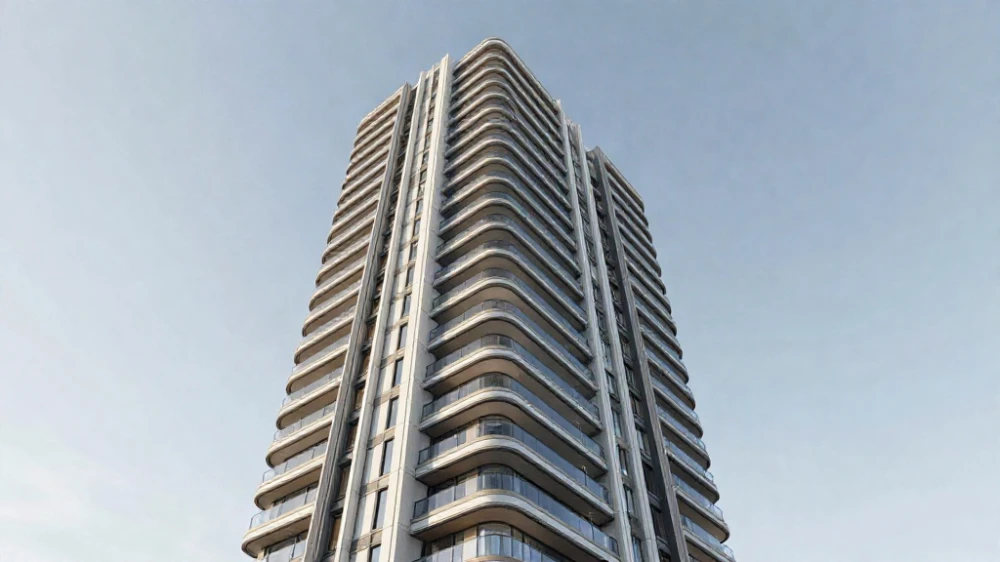
Location remains the primary driver of long-term real estate value in Turkey. Whether purchasing in major metropolis hubs like Istanbul or coastal markets such as Antalya and Bodrum, identifying micro-locations with strong capital growth potential is essential for protecting your initial capital.
When evaluating location quality, investors should focus on three core infrastructure drivers:
- Transportation Connectivity: Proximity to major highways (such as the E-5 and TEM in Istanbul), metro lines, and international airports directly impacts tenant demand and resale value. Properties situated within 500 meters of a operational metro station generally retain value better during market fluctuations.
- Urban Transformation Zones: Cities like Istanbul are undergoing vast urban renewal programs. Investing in areas adjacent to established, high-value districts often provides superior capital appreciation compared to fully developed, saturated urban cores.
- Commercial and Educational Hubs: Properties close to university campuses, financial districts (such as the Istanbul Financial Center), and private hospitals experience lower vacancy rates and higher rental yields.
A thorough location audit ensures that properties acquired under the Turkish citizenship by investment initiative do not merely serve as legal gateways to a passport, but perform as robust economic assets delivering sustained capital growth.
Financial Evaluation: Cash Purchase vs. Financing Strategies
How an investor structures the financial transaction significantly impacts total return on investment (ROI) and legal compliance. While most foreign buyers complete purchases in full using foreign currency, exploring alternative capital structures requires understanding regulatory restrictions.
Under current Turkish regulations, foreign buyers utilizing mortgages or bank loans to fund part of their acquisition must ensure that the equity portion paid in cash independently meets or exceeds the $400,000 USD minimum threshold. Bank financing cannot be counted toward satisfying the regulatory minimum requirement.
Evaluating financial strategies involves weighing liquidity, currency exposure, and opportunity cost. Investors contemplating different payment methods can read our detailed breakdown on evaluating cash purchases versus mortgage options to determine which financing model aligns best with their international risk profile and liquidity needs.
Additionally, investors must account for transaction costs, which typically add 5% to 7% to the base purchase price. These fees include:
- Title Deed Transfer Tax (Tapu Harcı), standardly set at 4% of the declared value.
- Value Added Tax (KDV), which ranges from 1% to 20% depending on property type, net area, and whether the buyer qualifies for a KDV exemption.
- Legal, translation, and notary expenses.
- Official government application processing fees for citizenship files.
Legal Due Diligence: Tapu, Encumbrances, and Iskan
Legal due diligence is non-negotiable when evaluating properties for Turkish citizenship by investment. Purchasing real estate with encumbered legal titles can lead to application rejections or lengthy legal disputes.
The primary legal document in Turkish real estate is the Title Deed (Tapu). Investors must verify the specific legal status of the Tapu before executing purchase agreements:
1. Kat İrtifakı (Construction Servitude)
This status indicates that the property is under construction or recently completed, with individual units legally registered on land shares. While acceptable for citizenship applications, buyers must confirm that building permits (Ruhsat) are active and compliant with municipal regulations.
2. Kat Mülkiyeti (Full Ownership)
This represents the highest level of title registration, confirming that the property is fully completed, has passed municipal inspections, and possesses an official Occupancy Certificate (Iskan). Properties with Kat Mülkiyeti carry the lowest legal risk for buyers.
3. Encumbrance Verification (İpotek and Haciz)
Before transferring funds, an independent lawyer must inspect the registry to ensure the property is free of outstanding mortgages (İpotek), tax liens (Haciz), or court disputes. Properties transferred with existing encumbrances cannot be used to apply for Turkish citizenship by investment until those liens are officially discharged.
Technical Inspection, Earthquake Compliance, and Developer Reputation
Physical quality directly dictates maintenance costs, tenant retention, and future liquidity. Buyers must conduct technical due diligence to verify that physical structures match theoretical sales brochures.
With Turkey enforcing strict modern building standards, evaluating seismic compliance is essential. Properties constructed after 2018 must adhere to updated earthquake resilience regulations, incorporating raft foundations, high-grade reinforced concrete, and specialized structural engineering. Requesting modern building compliance certificates ensures long-term safety and asset durability.
Furthermore, evaluating developer reputation is critical when buying off-plan or newly built units. Key criteria for evaluating developers include:
- Track Record: Reviewing completed projects delivered by the developer over the past decade.
- Financial Solvency: Ensuring the developer is not reliant solely on buyer presales to finance ongoing construction.
- Property Management Provisions: Inspecting service fee structures (Aidat). High monthly maintenance costs can significantly erode net rental returns.
An investor securing Turkish citizenship by investment should ensure their chosen asset maintains high marketability, minimizing operational headaches over its lifespan.
Planning Your Exit Strategy and Resale Potential
While acquiring citizenship is the initial goal, savvy investors plan their exit strategy before signing the purchase contract. Regulations require holding the property for three years, after which owners are free to keep, rent, or sell the asset while permanently retaining their Turkish citizenship.
Evaluating an asset’s exit potential requires asking critical market questions:
- Who is the target secondary buyer? Properties that appeal exclusively to foreign citizenship seekers often have lower secondary liquidity than properties heavily favored by domestic end-users and local investors.
- What is the local rental market demand? A property that yields strong, consistent rental income in foreign currency or inflation-indexed Turkish Lira provides solid cash flow during the mandatory holding period.
- How liquid is the micro-market? Prime central districts in Istanbul generally offer much faster resale turnarounds compared to speculative suburban outskirts.
To establish a structured approach for offloading assets once the mandatory three-year lock-in period expires, investors can consult our comprehensive strategic guide to investment property exits.
Featured Luxury Development Spotlight
For a closer look at a premium beachfront residential project in Istanbul, explore the features of Yedi Mavi.

Frequently Asked Questions
Can I purchase multiple properties to reach the $400,000 threshold for Turkish citizenship by investment?
Yes, investors can purchase multiple properties—such as two apartments or a combination of residential and commercial real estate—provided the combined value meets or exceeds $400,000 USD according to official SPK appraisal reports, and all title deeds are submitted within the official application framework.
Can I sell my property after the 3-year holding period without losing my Turkish citizenship?
Yes, once the mandatory three-year holding period expires, you can sell your real estate assets on the open market. Your Turkish citizenship, as well as the citizenship granted to your dependent family members, remains permanent and unaffected by the sale.
What happens if the official SPK appraisal value is lower than the purchase price?
The Turkish government determines eligibility for Turkish citizenship by investment strictly based on the lower of the two values: the transaction price recorded on the title deed or the value stated in the official SPK appraisal report. If the appraisal report comes in below $400,000 USD, the applicant must invest additional funds or select a different property to fulfill the statutory legal minimum.