


Table of Contents
- Introduction: Navigating Real Estate Wealth Creation
- Fundamental Approaches: How to Profit from Real Estate
- Property Evaluation Framework: How to Profit from Real Estate Through Due Diligence
- Essential Financial Metrics Every Investor Must Calculate
- Financing Options and Debt Structuring
- Renovation Strategies and Forced Appreciation
- Exit Strategies and Portfolio Optimization
- Critical Mistakes to Avoid Before Buying Property
- Brand Spotlight
- Frequently Asked Questions

Introduction: Navigating Real Estate Wealth Creation
Real estate has long stood as one of the most reliable vehicles for long-term wealth creation and strategic capital preservation. Understanding how to profit from real estate requires more than enthusiasm; it demands a disciplined, analytical approach to asset selection, risk management, and market timing. In 2026, the global property landscape continues to present lucrative opportunities for investors who know how to evaluate opportunities critically before deploying capital. Whether you are seeking predictable monthly income or substantial long-term equity growth, successful real estate investing relies on robust research and objective evaluation methodology.
Many novice investors enter the property market with emotional bias, falling in love with aesthetics rather than analyzing financial fundamentals. Successful investors, by contrast, view real estate as a business driven by key metrics, local demographics, regulatory shifts, and yield calculations. By developing a standardized evaluation framework before signing purchase agreements, you safeguard your portfolio against costly oversights and position yourself to capture maximum returns across shifting economic cycles.
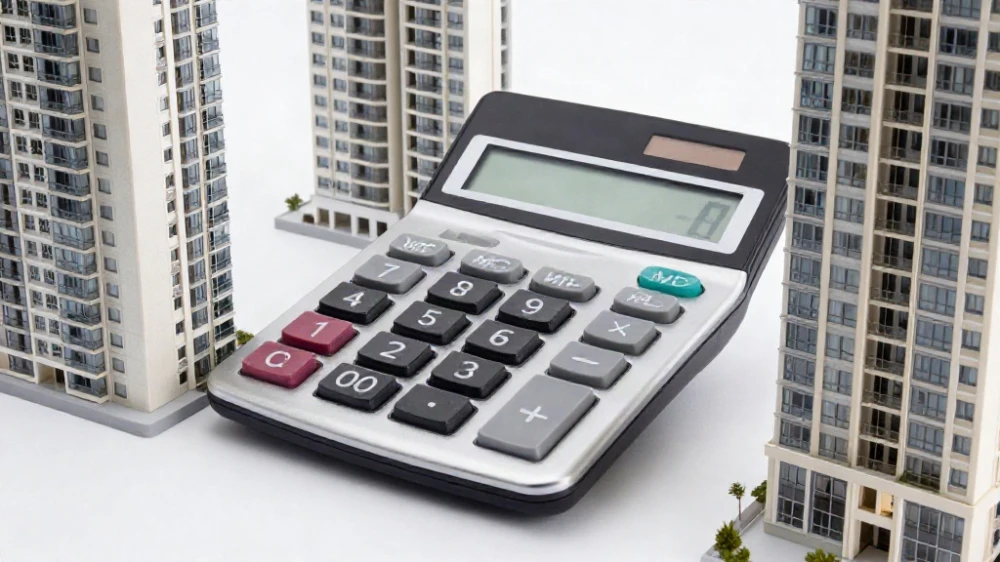
Fundamental Approaches: How to Profit from Real Estate
When analyzing how to profit from real estate, investors generally split their focus across distinct investment strategies. Selecting the right path depends heavily on your available capital, risk tolerance, investment horizon, and active management capability.
For long-term wealth builders, knowing how to profit from real estate through rental yields represents the foundation of passive income. Buy-and-hold residential or commercial properties generate consistent cash flow while simultaneously building equity through principal mortgage reduction. Over multi-year hold periods, property values historically track or exceed inflation rates, providing a dual engine of cash flow and capital appreciation.
Another avenue for how to profit from real estate involves short-term repositioning or value-add projects, commonly referred to as fix-and-flip investing. This approach focuses on purchasing underperforming or physically distressed assets below market value, executing targeted renovations, and selling the upgraded property at market price. While this model can yield significant returns rapidly, it carries higher execution risks, requires precise construction budgeting, and demands intimate knowledge of local buyer preferences.
Property Evaluation Framework: How to Profit from Real Estate Through Due Diligence
Learning how to profit from real estate starts with meticulous neighborhood evaluation and physical due diligence. An property’s intrinsic value is anchored to its surrounding environment, meaning macro and micro-location factors exert greater influence over future returns than cosmetic building finishes.
When evaluating a potential real estate investment, divide your assessment into three foundational pillars:
1. Macro Location and Regional Economics
Investigate macro-economic trends shaping the city or metropolitan area. Look for sustained population growth, diverse employment sectors, major corporate expansions, infrastructure investments, and favorable local tax policies. Cities relying on a single industry pose higher volatility, whereas regions with diversified economies—spanning technology, healthcare, education, and logistics—offer far greater tenant demand stability.
2. Micro Location and Neighborhood Dynamics
Zoom in on the immediate neighborhood. Examine proximity to public transportation, top-rated school districts, retail centers, parks, and medical facilities. Assess local vacancy rates, historical rent growth, and average days on market for comparable sales. Drive through the neighborhood during different times of day and evening to assess street cleanliness, traffic noise, parking density, and overall community maintenance standards.
3. Physical Property Due Diligence
Never rely solely on seller disclosures or surface appearance. Hire licensed structural engineers and building inspectors to conduct thorough evaluations. Prioritize major system inspections, including the roof, structural foundation, plumbing network, electrical panels, and HVAC infrastructure. Uncovering hidden capital expenditure obligations prior to purchase provides essential leverage during price negotiations and protects your prospective profit margins.
Essential Financial Metrics Every Investor Must Calculate
To master how to profit from real estate, you must calculate cash flow accurately before placing an offer. Financial due diligence ensures that a property will generate adequate returns after accounting for all operating expenses, debt service, and maintenance reserves.
According to Investopedia’s financial principles for measuring investment performance, tracking yield and return ratios provides a standardized mechanism to benchmark real estate against alternative asset classes. Every real estate investor should master four critical calculations:
Net Operating Income (NOI)
Net Operating Income measures the total annual revenue generated by a property minus all necessary operating expenses. Operating expenses include property management fees, property taxes, insurance, routine maintenance, utilities, and vacancy reserves. Mortgages and debt payments are excluded from NOI calculations.
Formula: NOI = Total Gross Operating Income – Total Operating Expenses
Capitalization Rate (Cap Rate)
The Capitalization Rate reflects the expected rate of return on a real estate asset purchased entirely with cash. It allows investors to compare the relative profitability of different properties independent of individual financing terms.
Formula: Cap Rate = (Net Operating Income / Purchase Price) × 100
For example, if a multi-family asset produces $40,000 in NOI and has a purchase price of $500,000, its Cap Rate is 8.0%. In competitive 2026 urban markets, typical residential cap rates fluctuate between 5% and 8%, depending on risk levels and location prime status.
Cash-on-Cash Return
Cash-on-Cash return measures the net annual pre-tax cash flow earned relative to the total initial cash outlays (down payment, closing costs, immediate repair budgets). This ratio provides clear insight into how effectively your invested equity works for you.
Formula: Cash-on-Cash Return = (Annual Pre-Tax Cash Flow / Total Cash Invested) × 100
Gross Rent Multiplier (GRM)
GRM offers a quick screening tool to compare asset pricing by relating purchase price to gross annual rental income. While it ignores operating expenses, it helps quickly filter out overpriced properties during initial market screening.
Formula: GRM = Purchase Price / Gross Annual Rental Revenue

Financing Options and Debt Structuring
Selecting the right financing model influences how to profit from real estate over long holding periods. Leverage enables investors to control high-value assets with partial equity capital, amplifying overall returns when property values and revenues expand.
Evaluating cash purchase versus mortgage investment decisions is crucial because leverage determines how to profit from real estate without overextending capital. While financing increases cash-on-cash potential, excessive debt introduces foreclosure risk during economic downturns or prolonged vacancy periods.
By optimizing loan terms in 2026, understanding how to profit from real estate becomes a matter of debt structuring. Fixed-rate conventional loans protect investors against interest rate fluctuations, whereas commercial lines of credit, private lending, or bridge financing offer rapid deployment capabilities for time-sensitive value-add acquisitions.
Renovation Strategies and Forced Appreciation
House flipping and value-add remodeling offer actionable strategies on how to profit from real estate in competitive markets. Forced appreciation occurs when strategic physical or operational improvements directly increase a property’s Net Operating Income and market valuation.
Focusing on high-impact upgrades ensures you maximize equity, demonstrating how to profit from real estate via forced appreciation. Priority physical upgrades that deliver measurable ROI include:
- Kitchen and Bathroom Modernization: Upgrading quartz countertops, modern cabinetry, updated fixtures, and energy-efficient stainless steel appliances yields high appeal for prospective tenants and buyers.
- Space Optimization: Converting underutilized basements, attics, or large storage areas into additional bedrooms, offices, or extra living space significantly raises rental rate benchmarks.
- Curb Appeal Improvements: Fresh exterior paint, updated garage doors, smart locks, modern landscaping, and welcoming entranceways establish positive initial buyer perceptions.
- Operational Optimization: Installing sub-meters for utilities, implementing pet fees, adding laundry facilities, and billing back utility usage directly improves Net Operating Income.
By upgrading key amenities, understanding how to profit from real estate becomes a systematic process rather than a speculative gamble. Always conduct cost-benefit analyses before committing to renovations to avoid over-improving properties beyond ceiling values established by nearby comparable properties.
Exit Strategies and Portfolio Optimization
A sophisticated property assessment always includes predetermined exit pathways. Entering an investment without a clear liquidation or refinancing plan exposes your capital to unexpected market disruptions and liquidity constraints.
Consulting a detailed guide to investment property exits helps clarify how to profit from real estate during market shifts. Common exit strategies include:
- Outright Asset Liquidation: Selling the property outright to harvest built-up equity, often executed when market valuations peak or when capital needs to be reallocated into larger commercial developments.
- Cash-Out Refinancing: Leveraging accumulated equity through standard bank refinancing to withdraw tax-advantaged capital while maintaining underlying ownership and rental cash flow streams.
- 1031 Tax-Deferred Exchanges: Reinvesting sales proceeds into like-kind property assets to defer capital gains tax liabilities, allowing investments to compound uninterrupted across multi-year cycles.
- Seller Financing Options: Acting as the mortgage lender for qualified buyers, generating steady interest revenue while distributing capital gains income over several tax years.

Critical Mistakes to Avoid Before Buying Property
Mitigating financial risk is paramount when figuring out how to profit from real estate over multi-year cycles. Avoid these frequent mistakes that routinely impair beginner portfolio returns:
1. Underestimating Maintenance and Holding Costs
Failing to allocate realistic reserves for regular maintenance, capital expenditures (CapEx), property taxes, and insurance rate hikes leads directly to negative monthly cash flow. Always budget between 5% and 10% of gross rents for routine repairs and dedicated CapEx funds.
2. Emotional Decision-Making
Purchasing an investment property based on personal cosmetic preferences rather than financial yield calculations often leads to overpayment. Maintain strict discipline by evaluating properties strictly as financial balance sheets.
3. Over-Leveraging Debt
Maximizing debt capacity during market peaks leaves no buffer during economic contraction periods or interest rate spikes. Maintain comfortable debt service coverage ratios (DSCR), ideally targeting 1.25x coverage or higher.
4. Skimping on Tenant Screening
Placing unqualified tenants without background, credit, employment, and rental history verifications increases eviction probabilities and property damage risks. Rigorous tenant selection protects your continuous monthly cash flow streams.
Brand Spotlight
RAD GLOBAL Building Trust. Shaping Vision. Creating Legacy.
Frequently Asked Questions
What is the fastest way regarding how to profit from real estate?
The fastest route regarding how to profit from real estate involves short-term value-add opportunities, such as fix-and-flip projects or wholesale property contracts. These strategies focus on acquiring below-market assets, making strategic physical improvements, and reselling rapidly to unlock immediate equity. However, rapid returns come with elevated market execution risk and higher transactional taxation compared to long-term holding models.
How much cash reserve should I maintain for an investment property?
Investors should maintain at least 3 to 6 months worth of fixed operating expenses—including mortgage principal, interest, property taxes, insurance, and HOA fees—in liquid reserve accounts per property. Furthermore, allocating 5% to 10% of monthly gross rents toward a designated Capital Expenditure (CapEx) fund ensures adequate capital is readily available for major structural repairs, such as roof replacements or HVAC unit swaps.
Is cash flow or capital appreciation more important when evaluating properties?
Both components play essential roles, but cash flow provides immediate financial stability and protection during market downturns. Cash flow covers operating expenses and debt obligations regardless of short-term price fluctuations. Capital appreciation builds long-term net worth over multi-year horizons. Conservative investors usually prioritize cash flow to ensure baseline solvency while benefiting from organic long-term market appreciation over time.