
Table of Contents
- Introduction to the Istanbul Real Estate Market
- Understanding Real Estate Scams in Turkey
- Essential Tips for Buying Property in Istanbul Safely
- Legal Due Diligence: Tapu, Iskan, and Appraisals
- Financial Planning: Cash Purchase vs. Mortgages
- Comparison: Scam Warning Signs vs. Secure Transactions
- How to Choose a Trusted Real Estate Agency
- Planning Your Exit Strategy and Resale
- RAD GLOBAL Spotlight
- Frequently Asked Questions (FAQ)
- Buying property in Istanbul offers immense capital growth and citizenship opportunities, provided you conduct rigorous legal checks to avoid fraudulent schemes.
- Real estate scams in Turkey often involve inflated appraisal values, unregistered agents, and properties lacking crucial building certificates.
- Working with government-approved advisors and verifying the Tapu (title deed) details directly at the Land Registry office mitigates transaction risks entirely.
Introduction to the Istanbul Real Estate Market
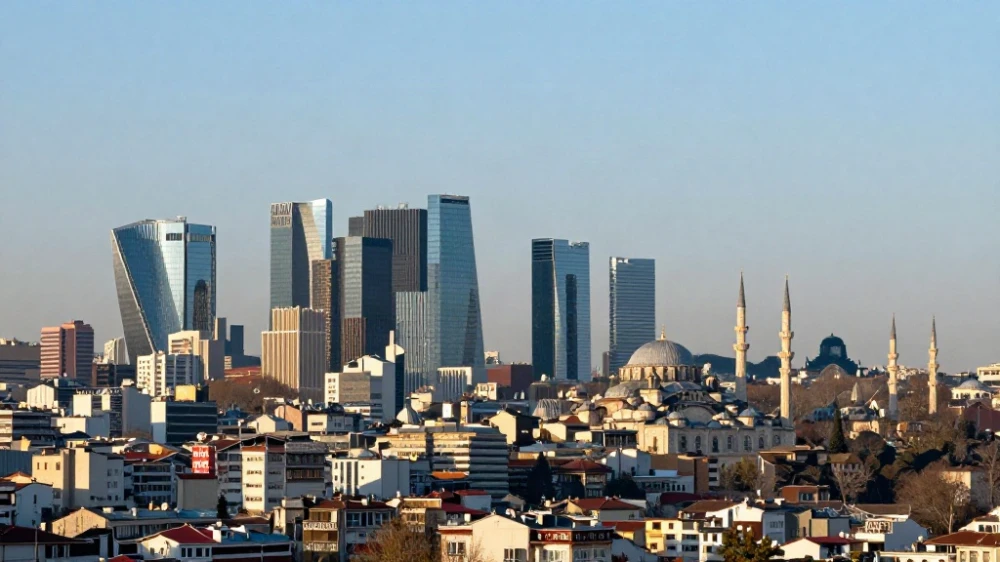
Istanbul stands as a bridge between Europe and Asia, serving as a cultural hub and a magnet for international investors. The allure of acquiring real estate here is undeniable. However, navigating a foreign market requires keen attention to detail. When considering buying property in Istanbul, investors must look beyond attractive architectural renderings and sea-view promises. The market is dynamic, offering high-yield apartments, luxury villas, and commercial spaces, but it also demands a structured approach to prevent financial pitfalls.
In recent years, the Turkish government has streamlined purchase procedures for foreigners, introducing investor-friendly legislation and pathways to citizenship. Yet, this influx of global capital has also attracted opportunistic bad actors. Understanding the local purchasing customs, legal obligations, and potential pitfalls is the first step toward securing a profitable and safe investment. By equipping yourself with the right knowledge, buying property in Istanbul can be one of the most rewarding financial decisions of your lifetime.
Understanding Real Estate Scams in Turkey
While the vast majority of real estate transactions in Turkey are completed smoothly, real estate scams in Turkey remain a critical concern for uninformed buyers. Foreigners are often targeted due to language barriers, unfamiliarity with local municipal laws, and a lack of direct access to trusted legal counsel. Recognizing the anatomy of these fraudulent schemes is essential before committing any capital.
One common scam involves the sale of properties without an “Iskan” (habitation certificate). Developers might offer heavily discounted prices for under-construction or newly finished units. However, without this municipal approval, the building is technically incomplete, leading to massive utility surcharges and severe difficulties during resale. Another prevalent fraudulent practice is the inflation of property prices. Unscrupulous middlemen often show properties to foreigners at double or triple their actual market value, utilizing fake appraisal reports to deceive both the buyer and the land registry office. This highlights why thorough research is vital when buying property in Istanbul.
Furthermore, some scammers advertise properties they do not own or have no legal authorization to sell. They collect hefty cash deposits and disappear before the title deed transfer takes place. In other cases, buyers discover post-purchase that the property is heavily burdened with unpaid mortgages or tax liens, which legally transfer to the new owner. Awareness of these tactics is your strongest defense when planning on buying property in Istanbul.
Essential Tips for Buying Property in Istanbul Safely
To ensure a secure transaction, certain golden rules must be followed throughout your investment journey. First and foremost, never rush into a purchase based on high-pressure sales tactics. Promising rental guarantees that seem too good to be true are often just marketing ploys where the developer inflates the purchase price to fund the “guaranteed” return. When buying property in Istanbul, sanity-check every financial projection against independent market data.
Here are several practical tips to safeguard your capital:
- Always work with licensed real estate agencies: Verify their registration with the Istanbul Chamber of Commerce (ITO) and check their official real estate trade authorization certificate (Taşınmaz Ticareti Yetki Belgesi).
- Never pay cash deposits without legal contracts: Any down payment or reservation fee should be backed by a notarized sales agreement detailing the exact terms, refund conditions, and penalties for non-delivery.
- Insist on an independent appraisal: While a valuation report is legally required for foreigners buying property in Istanbul, ensure the appraiser is officially licensed by the Capital Markets Board of Turkey (SPK) and independent of the seller or agency.
- Verify the structural integrity: Turkey is located in an active seismic zone. Ensure the building complies with the latest earthquake regulations enacted after major historic seismic events.
By adhering to these steps, you minimize exposure to fraudulent actors and lay a solid foundation for your investment portfolio. Remember, successfully buying property in Istanbul relies on verified facts, not charming sales pitches.
Legal Due Diligence: Tapu, Iskan, and Appraisals
Due diligence is the cornerstone of any secure real estate acquisition. In Turkey, the ultimate proof of ownership is the “Tapu” (Title Deed). When buying property in Istanbul, you must obtain a copy of this document early in the process and take it to the local Land Registry Directorate (Tapu ve Kadastro Genel Müdürlüğü). Here, an official search will reveal if there are any active mortgages (ipotek), liens (haciz), or legal disputes attached to the property that could prevent a clean transfer of title.
Another critical document is the Iskan. Many buyers ignore this, only to find out later that their building lacks municipal approval for residential habitation. Without an Iskan, you will pay significantly higher commercial rates for electricity and water, and banks will generally refuse to issue mortgages on the property. If you are buying property in Istanbul off-plan, ensure the developer has a proven track record of securing Iskan certificates for their completed projects.
The official appraisal report is also non-negotiable. This document protects buyers from artificially inflated prices. It compares the target property with similar units in the district, analyzing land registry data, historical sales, and physical conditions. Since buying property in Istanbul often involves substantial foreign currency exchange, having an accurate, unbiased valuation ensures you pay fair market value and meet the legal criteria for Turkish citizenship or residency applications.
Financial Planning: Cash Purchase vs. Mortgages
Deciding how to fund your real estate purchase is just as important as selecting the right unit. Both cash purchases and mortgage financing have distinct advantages and risks. For international investors, a cash purchase often unlocks substantial leverage during price negotiations, allowing you to secure deep discounts from developers or private sellers.
When weighing your options, it is beneficial to explore deep-dive comparisons of investment methodologies. For instance, analyzing a cash purchase versus mortgage investment decisions can provide valuable perspective on leverage, liquidity, and long-term yields in inflationary environments. If you decide on buying property in Istanbul with cash, ensure that all payments are routed transparently through Turkish banks, using the mandatory Foreign Exchange Document (Döviz Alım Belgesi) to comply with local central bank regulations.
On the other hand, securing a mortgage from a Turkish bank as a foreigner involves rigorous documentation and higher interest rates compared to Western markets. However, the bank’s own legal department will conduct its own independent due diligence on the property before approving the loan, adding an extra layer of security against potential title deed fraud or unfinished construction risks. This thorough screening is highly reassuring when buying property in Istanbul.
Comparison: Scam Warning Signs vs. Secure Transactions
To help you distinguish between a high-risk deal and a safe investment opportunity, review this structured comparison table highlighting key indicators:
| Aspect of Transaction | Scam Warning Signs (Red Flags) | Secure Transaction Indicators (Green Flags) |
|---|---|---|
| Agency & Representative | No physical office; insists on cash meetings in cafes; unregistered with the Chamber of Commerce. | Licensed agency with a registered physical office; verifiable license numbers (Yetki Belgesi). |
| Title Deed (Tapu) Status | Seller refuses to show the Tapu copy or delays the Land Registry inquiry process. | Clear Tapu provided upfront; official verification of zero liens or mortgages at the registry office. |
| Appraisal & Valuation | Agency insists on using their “exclusive” appraiser who inflates the property’s paper value. | Independent, SPK-licensed appraiser conducts a transparent market analysis of neighboring units. |
| Building Habitation (Iskan) | Vague promises that “the Iskan is coming soon” on an already completed building. | The Iskan certificate is physically present, or a clear bank guarantee supports off-plan delivery. |
| Payment Methods | Demands cash handovers, cryptocurrency, or wire transfers to personal international accounts. | All funds processed via bank transfer with clear descriptions, utilizing the official central bank exchange system. |
By keeping this matrix in mind, you can quickly filter out suspicious listings and focus on genuine opportunities. When buying property in Istanbul, trusting your instincts and verifying every claim through official channels is paramount.
How to Choose a Trusted Real Estate Agency
With thousands of real estate brokers operating in Turkey’s mega-city, finding a reliable partner is essential. A professional agency does not just show you apartments; they act as your legal shield, negotiation partner, and local advisor. When buying property in Istanbul, avoid independent “freelance” finders who operate without licensing or physical offices. These individuals often disappear if legal complications arise post-sale.
A reputable agency will have a robust corporate structure, multi-lingual legal consultants, and transparent client reviews. Ask prospective agents for references from previous international buyers who have successfully navigated the process. They should be able to explain the local tax laws, property maintenance costs, and utility registration processes clearly. Furthermore, when buying property in Istanbul, your agent should work alongside an independent lawyer chosen by you, ensuring there is no conflict of interest during contract drafting and title deed transfers.
Planning Your Exit Strategy and Resale
An often-overlooked aspect of real estate acquisition is the eventual resale of the asset. A smart investor plans the exit before making the initial deposit. The liquidity of your asset depends heavily on its location, construction quality, and purchase price relative to local market demand. If you are buying property in Istanbul primarily for capital appreciation or citizenship, you must keep in mind the statutory holding periods.
For those utilizing the property to gain citizenship, Turkish law requires holding the asset for at least three years. Understanding how to transition your capital post-holding period is vital. Reading an expert guide to investment property exits can offer crucial insights into maximizing returns, managing capital gains taxes, and finding foreign buyers when you decide to liquidate. Ultimately, buying property in Istanbul with a clear exit plan ensures your long-term financial security remains protected.
RAD GLOBAL Spotlight
Discover how professional consultancy can elevate your investment journey and safeguard your assets from common market risks.
RAD GLOBAL Building Trust. Shaping Vision. Creating Legacy.
Frequently Asked Questions (FAQ)
Can foreigners legally buy property in Istanbul without a local partner?
Yes, citizens of most countries can fully own real estate in Turkey in their own name. There is no requirement to have a Turkish partner or co-signatory when buying property in Istanbul. Ownership is 100% freehold, giving you absolute rights over the land and structure.
How do I verify if a property has an Iskan certificate?
You can verify the Iskan status by taking a copy of the title deed to the local municipality (Belediye) in the district where the property is located. They will check their archives and confirm whether the habitation certificate has been officially issued for the building.
What are the primary hidden costs when buying property in Istanbul?
The primary additional costs include the Title Deed Transfer Tax (typically 4% of the declared value, usually split between buyer and seller), independent appraisal fees, notary fees, translation fees, and agent commissions (capped legally at 2% + VAT for the buyer). Ensuring these are accounted for prevents unexpected financial strain during the final stages of buying property in Istanbul.