
Table of Contents
- Turkey Title Deed Issuance Process requires strict adherence to legal registry checks, official valuation reports, and verified foreign exchange certificates to ensure clean property ownership.
- Common mistakes such as underdeclaring sale values, skipping municipal debt checks, or overlooking property liens can halt registration or result in severe financial penalties.
- Partnering with certified legal representatives and understanding formal Land Registry protocols protects foreign buyers from prolonged conveyance disputes.
Acquiring real estate overseas represents a major milestone, yet navigating foreign legal frameworks can present unexpected obstacles for unprepared investors. Understanding the official transfer mechanisms is vital for anyone entering the Turkish property market.
The Turkey Title Deed Issuance Process is widely recognized as efficient and streamlined, but procedural oversights can derail your transaction. A minor discrepancy in property documentation or banking records can delay closing for weeks.
In this guide, we analyze the common mistakes foreign buyers encounter during the Turkey Title Deed Issuance Process and explore proven strategies to avoid administrative setbacks, financial exposure, and ownership disputes.
Understanding the Turkey Title Deed Issuance Process
The Turkey Title Deed Issuance Process culminates in the formal registry transfer known locally as the Tapu. In Turkey, title deeds are administered solely through the General Directorate of Land Registry and Cadastre (cadastre records), operating under the Ministry of Environment, Urbanization and Climate Change.
Many foreign investors incorrectly assume that private sales agreements signed before a public notary represent absolute legal ownership. Under Turkish real estate law, a notary contract merely registers an obligation to sell; it does not confer legal title.
Only the Land Registry Directorate (Tapu Müdürlüğü) holds legal authority to execute the Turkey Title Deed Issuance Process. Failing to recognize this fundamental distinction is among the most costly errors international buyers make when purchasing property.
Furthermore, evaluating your broader capital strategy is critical before committing funds. Reviewing our analysis on cash purchase versus mortgage investment decisions will help clarify whether outright equity deployment or structured borrowing best suits your long-term wealth roadmap.
Discover how our advisory team empowers international property acquisitions through strategic clarity and end-to-end conveyance management: RAD GLOBAL Building Trust. Shaping Vision. Creating Legacy.
Critical Mistakes in Pre-Purchase Due Diligence
Rushing through due diligence before initiating the Turkey Title Deed Issuance Process exposes buyers to severe legal and financial vulnerabilities. Property records in Turkey must be examined thoroughly to confirm the absence of encumbrances.
One frequent mistake is failing to verify existing liens, mortgages (ipotek), foreclosure orders, or tax encumbrances attached to the real estate. Under Turkish law, specific legal encumbrances follow the title, transferring debt liabilities to the new owner upon registration.
Failing to Order an Independent Legal Audit
Never rely solely on seller assurances regarding property status. Prior to starting the Turkey Title Deed Issuance Process, a licensed attorney must review the cadastral ledger to verify that the seller holds clear, unencumbered ownership rights.
Discrepancies between physical layouts and architectural blueprints filed with the municipality also cause frequent disputes. If an unauthorized structural modification exists, municipal fines or demolition orders may transfer directly to the buyer.
Ignoring the Mandatory Property Valuation Report
Another common mistake during the Turkey Title Deed Issuance Process involves neglecting the SPK-licensed appraisal report (Gayrimenkul Değerleme Raporu). This independent assessment verifies market value, legal compliance, and structural legality before conveyance proceeds.
Valuation reports remain valid for a specified window under regulatory standards. Relying on an outdated report or failing to commission one from an accredited evaluator can instantly stall your application at the land registry office.
Financial Traps and Currency Exchange Rules in 2026
Financial compliance represents one of the most rigorously monitored phases of the modern Turkey Title Deed Issuance Process. Regulatory mandates require overseas buyers to navigate distinct foreign currency protocols before closing.
Foreign buyers must convert their foreign currency into Turkish Lira via an authorized intermediary bank before the Land Registry accepts conveyance paperwork. The Central Bank of the Republic of Turkey issues a Foreign Exchange Purchase Certificate, known formally as the DAB (Döviz Alım Belgesi).
Failing to secure the exact DAB amount matching the declared purchase price will immediately halt the Turkey Title Deed Issuance Process. Investors must ensure that currency exchange occurs specifically for property acquisition, as generic currency conversions cannot be applied retroactively.
Underdeclaring the property value on the registry ledger to reduce title deed transfer taxes (Tapu Harcı) represents another widespread, high-risk error. In 2026, tax authorities cross-reference municipal records, banking transactions, and valuation reports using advanced automated auditing systems.
If the declared sale price differs substantially from appraised values, buyers face punitive back-taxes, interest assessments, and audit delays. Maintaining complete transparency ensures the Turkey Title Deed Issuance Process proceeds without fiscal complications.
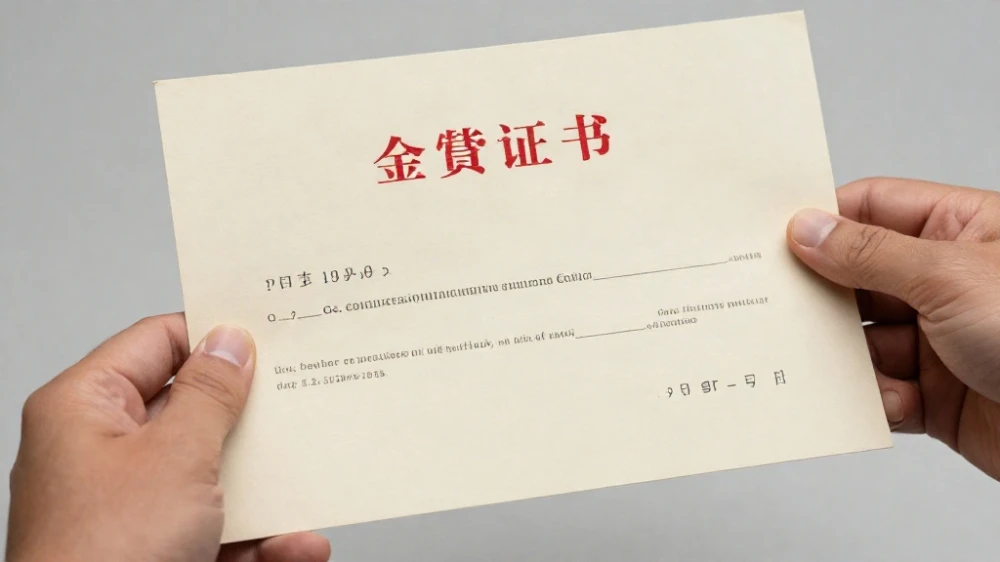
Step-by-Step Overview of the Turkey Title Deed Issuance Process
Understanding each milestone of the Turkey Title Deed Issuance Process enables investors to prepare documentation efficiently, avoiding unnecessary administrative back-and-forth between municipal offices and the registry.
The sequence begins by obtaining a local tax identification number (Vergi Kimlik Numarası), opening a Turkish bank account, and commissioning the mandatory SPK valuation report. Simultaneously, sworn translations of foreign passports must be notarized.
Once preliminary documents are gathered, the formal Turkey Title Deed Issuance Process moves forward via the government’s centralized online portal, known as WebTapu. The seller or their authorized legal representative submits an initial registration request.
Upon reviewing the electronic dossier, the Land Registry issues an SMS containing application tracking details and payment instructions for title deed transfer taxes and administrative processing fees (Döner Sermaye).
After settling fee obligations via recognized banking channels, an appointment time is scheduled. Both parties, alongside a sworn court-certified translator if the buyer does not speak Turkish, appear before the Land Registry Officer to execute the transfer.
Once signatures are confirmed on the official ledger, the official Tapu document is handed over. This finalizes the Turkey Title Deed Issuance Process, establishing uncontested legal freehold title for the investor.

Comparing Title Deed Classifications: Kat Irtifaki vs. Kat Mulkiyeti
A frequent error among foreign buyers during the Turkey Title Deed Issuance Process is confusing different deed classifications. Turkish real estate uses distinct categories that denote construction milestones and formal habitability certification.
Purchasing property without verifying whether it holds construction servitude (Kat İrtifakı) or full residential ownership (Kat Mülkiyeti) can cause severe occupancy complications. The table below outlines the primary distinctions between common deed classifications.
| Deed Classification | Legal Status | Building Habitation Certificate (İskan) | Associated Investor Risks |
|---|---|---|---|
| Kat İrtifakı (Construction Servitude) | Identifies ownership shares in a project under construction or pending final sign-off. | Not Yet Finalized / Pending | Potential municipal utility surcharges; risk of builder non-compliance preventing final occupancy status. |
| Kat Mülkiyeti (Full Ownership) | Full freehold ownership of an independently registered, fully compliant unit. | Approved and Legally Issued | Lowest risk profile; complete legal compliance with zero habitability disputes. |
| Hisseli Tapu (Shared Deed) | Fractional co-ownership across an undivided parcel of land or structure. | Varies / Often Lacking | High dispute risk; boundaries are unallocated, leaving individual ownership rights vulnerable. |
When undergoing the Turkey Title Deed Issuance Process, acquiring property classified under Kat Mülkiyeti provides the highest degree of security. It confirms that the building satisfies zoning codes, fire safety guidelines, and architectural plans.
If purchasing off-plan or newly built homes with Kat İrtifakı, ensure the developer is contractually bound to deliver the İskan (Habitation Permit). Overlooking this detail within the Turkey Title Deed Issuance Process can depress future resale liquidity.
To preserve maximum capital flexibility across your portfolio, consider how acquisition structures influence your timeline by reviewing our guide to investment property exits for strategic portfolio management.
Avoiding Power of Attorney and Notary Pitfalls
Many overseas investors rely on a Power of Attorney (Vekaletname) to execute the Turkey Title Deed Issuance Process on their behalf without traveling for the closing appointment. While convenient, this mechanism introduces distinct operational risks if drafted improperly.
A standard mistake is issuing an overly broad or, conversely, excessively restrictive Power of Attorney. If specific authorizations to buy real estate, interact with military cadastral offices, or register utility meters are missing, the registry will reject representation.
When drafting a Power of Attorney abroad, it must be processed through a Turkish consulate or prepared by a local notary and authenticated with an Apostille certificate under the Hague Convention. Non-apostilled documents cannot be used in the Turkey Title Deed Issuance Process.
Furthermore, photographic identification criteria are strictly enforced. Two biometric passport-sized photographs must be affixed and embossed according to consular regulations to ensure document validity.
Engaging an experienced, independent attorney ensures that the Power of Attorney incorporates precise boundaries, protecting your assets while allowing legal counsel to conclude the Turkey Title Deed Issuance Process efficiently.

Post-Registration Responsibilities and Municipal Compliance
Successfully receiving the Tapu completes the Turkey Title Deed Issuance Process, but vital post-closing obligations remain. Overlooking these tasks can trigger administrative penalties or disruption of essential services.
The first mandatory task following the Turkey Title Deed Issuance Process is declaring your purchase to the local municipal government (Belediye). Owners must register the asset for local annual property taxes (Emlak Vergisi) before the fiscal year concludes.
The second essential requirement is securing mandatory earthquake insurance (DASK). In Turkey, natural disaster insurance is compulsory; utility providers cannot activate water, electricity, or gas accounts without an active DASK insurance policy.
Additionally, investors should register their ownership details with the residential site management committee (Site Yönetimi). Maintaining prompt payment of communal maintenance dues (Aidat) protects your standing within the property development community.
Approaching the Turkey Title Deed Issuance Process with systematic due diligence, accurate documentation, and qualified advisory support guarantees a transparent, profitable, and stress-free real estate acquisition experience.
Frequently Asked Questions
How long does the Turkey Title Deed Issuance Process typically take?
Once all preliminary documentation—such as the valuation report, tax identification number, and Foreign Exchange Purchase Certificate (DAB)—is submitted via WebTapu, the Turkey Title Deed Issuance Process generally concludes within three to seven business days.
Can foreign nationals complete the Turkey Title Deed Issuance Process remotely?
Yes. Foreign buyers can conclude the Turkey Title Deed Issuance Process remotely by issuing a specialized Power of Attorney to a licensed lawyer via a Turkish Consulate or an apostilled notary abroad, eliminating the need to attend the closing in person.
What are the primary government fees associated with the Turkey Title Deed Issuance Process?
The primary cost incurred during the Turkey Title Deed Issuance Process is the 4% title deed transfer tax (Tapu Harcı), calculated on the officially declared property purchase value, alongside standard Land Registry administrative fees (Döner Sermaye).
Real Estate Valuation in Turkey: 5 Proven Steps for the Best Complete Guide 2026