
Table of Contents
- Understanding Residential Compounds in Istanbul: Modern Living Redefined
- Evaluating Strategic Location and Infrastructure Connectivity
- Assessing Construction Quality, Seismic Safety, and Finishes
- Analyzing Community Amenities, Security, and Aidat Fees
- Comparing Investment Returns Across Residential Compounds in Istanbul
- Legal Due Diligence: Title Deeds, Iskan, and Developer Track Record
- A Practical Checklist for Property Buyers
- Frequently Asked Questions (FAQ)
- Residential Compounds in Istanbul offer secure, integrated community living with private facilities, making them premier choices for international buyers and local investors alike.
- Accurate property assessment requires examining construction compliance, developer delivery history, monthly maintenance expenses, and transportation access.
- Selecting properties with clear condominium title deeds ensures long-term capital preservation, strong resale liquidity, and consistent rental income performance.
Understanding Residential Compounds in Istanbul: Modern Living Redefined
Istanbul represents a unique crossroads where centuries of history meet rapid urban modernization. Over the past two decades, urban master planning has shifted toward integrated, self-contained communities known locally as siteler. Consequently, residential compounds in Istanbul have emerged as the primary standard for premium urban dwelling, attracting buyers worldwide.
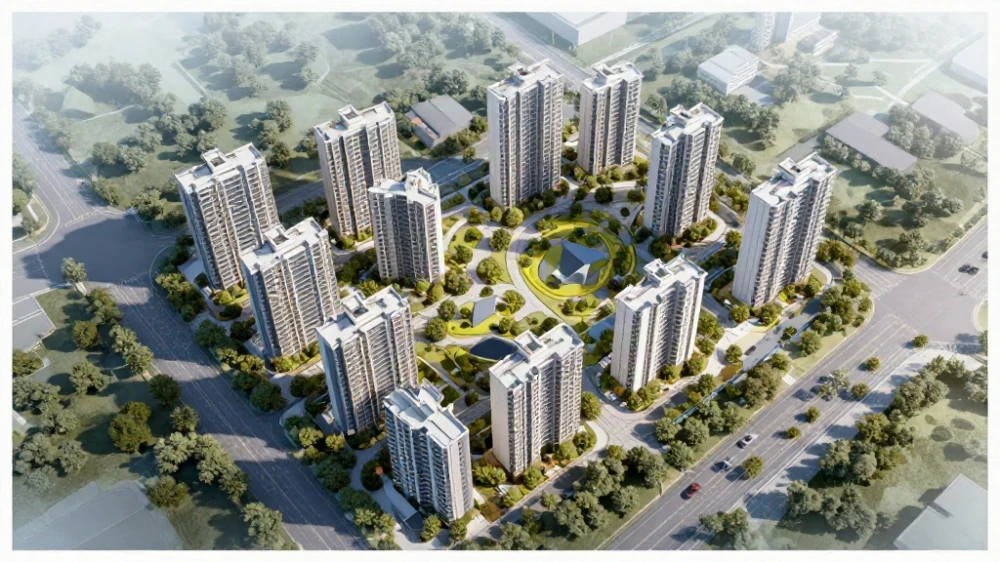
These gated communities combine individual apartment residences with shared recreational spaces, dedicated parking, retail conveniences, and 24/7 security. Whether situated in bustling central business districts or expanding suburban corridors, modern residential compounds in Istanbul offer structured lifestyles designed to maximize convenience, privacy, and personal peace of mind.
For discerning buyers, evaluating residential compounds in Istanbul requires a methodical approach. The variety of housing developments across both the European and Asian continents means that building standards, operational costs, and investment dynamics vary significantly from one district to another.
Navigating this diverse marketplace demands objective appraisal criteria. Rather than relying solely on glossy marketing brochures, potential investors must examine construction execution, legal certifications, neighborhood infrastructure, and genuine yield potential before committing capital.
Evaluating Strategic Location and Infrastructure Connectivity
Location remains the cornerstone of real estate valuation. When assessing residential compounds in Istanbul, proximity to major transport arteries is decisive. The city spans vast distances across two continents, meaning effortless transit access directly influences daily lifestyle satisfaction and property appreciation.
Evaluate how easily a development connects to the E-5 highway, the TEM motorway, or the Northern Marmara Highway. Leading residential compounds in Istanbul often boast dedicated shuttle services or direct underground connections to major metro lines, Metrobus networks, and Marmaray rail stations, significantly cutting commuter travel times.
In addition to commuting routes, examine local civic infrastructure. Gated residential compounds in Istanbul provide internal leisure spaces, but residents still depend on nearby private hospitals, bilingual international schools, universities, and commercial shopping centers for regular services.
Districts undergoing coordinated urban renewal often provide substantial upside. However, buyers must distinguish between established neighborhoods with mature utility grids and emerging zones where critical transit infrastructure remains in planning stages. Smart evaluation verifies that planned public works are funded and actively under construction.
Assessing Construction Quality, Seismic Safety, and Finishes
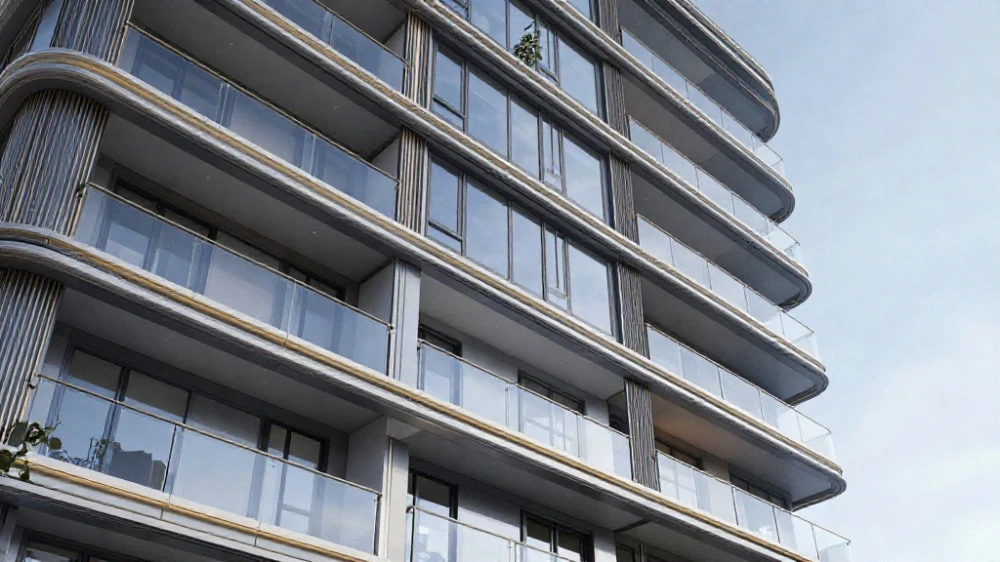
Structural integrity is paramount when reviewing residential compounds in Istanbul. Turkey updated its building codes significantly, implementing rigorous earthquake resilience standards following updated seismic guidelines. Modern engineering requires sophisticated deep-foundation piling, reinforced concrete framing, and geotechnical soil studies before ground-breaking.
Before purchasing, request verified architectural reports, soil survey documentation, and structural engineering certificates. Trustworthy developers behind residential compounds in Istanbul openly share structural blueprints detailing raft foundation depth, concrete strength grades, and seismic dissipation systems incorporated during construction.
Take time to explore how luxury waterfront developments balance structural resilience with world-class architectural design, as highlighted in this showcase of Yedi Mavi.
Beyond baseline safety, scrutinize interior material finishes and acoustic insulation. High-end residential compounds in Istanbul utilize multi-layered thermal insulation facades, double or triple-glazed windows, and soundproof wall layers between neighboring apartments to maintain acoustic privacy.
Inspect mechanical, electrical, and plumbing (MEP) systems thoroughly. Inquire about backup diesel generator capacity, secondary domestic water filtration tanks, and centralized district heating configurations. These infrastructural details distinguish top-tier residential compounds in Istanbul from cosmetically appealing but functionally inferior developments.
Analyzing Community Amenities, Security, and Aidat Fees
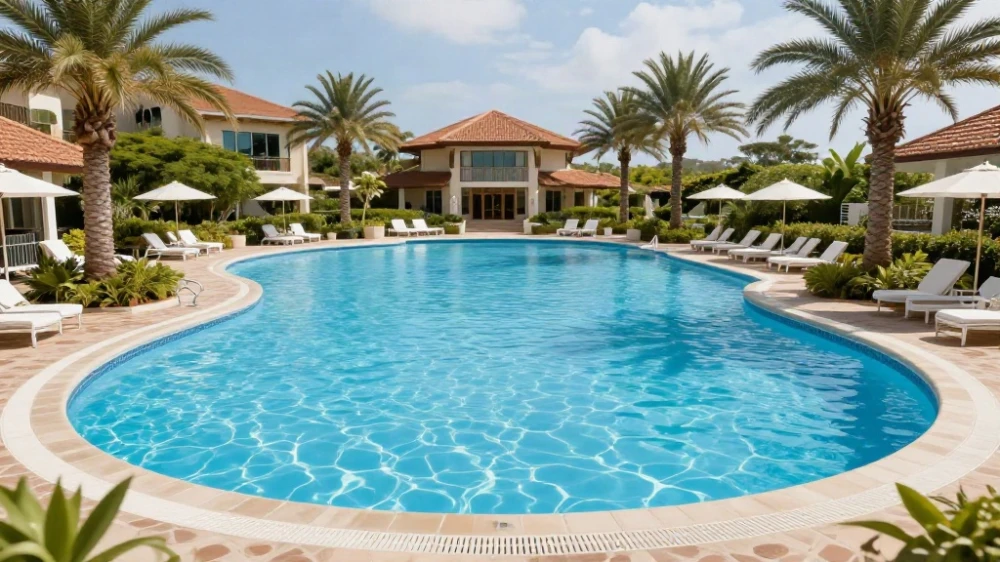
The extensive array of on-site amenities is a defining advantage of gated residential compounds in Istanbul. Properties typically feature indoor heated swimming pools, fitness centers, squash courts, steam rooms, landscaped botanical walking paths, and secure children’s playgrounds within guarded boundaries.
However, comprehensive social infrastructure entails ongoing operational costs. In Turkey, monthly community maintenance expenses are called aidat. When touring residential compounds in Istanbul, ask for historic aidat balance sheets, management forecasts, and reserve fund statements to avoid surprise increases.
Complex amenities like Olympic-sized pools, extensive green landscaping, and round-the-clock physical security teams require skilled management. Professional facility management companies ensure that this service preserve operational standards and curb appeal, which directly supports property value retention over decades.
Carefully evaluate whether available amenities match your family’s routine. Paying elevated monthly fees for expansive sports facilities makes practical sense only if your household actively utilizes those services. Investors must ensure that aidat levels remain competitive so rental yields remain robust.
Comparing Investment Returns Across Residential Compounds in Istanbul
Rental demand across Turkey’s economic hub remains strong, driven by corporate expatriates, digital nomads, and young urban professionals. As a result, well-located these options consistently outperform standalone legacy apartment blocks in tenant retention and rental growth.
To optimize rental yields, align property features with high-demand tenant profiles. For institutional insights on selecting high-performing assets, review our curated analysis of the best projects for rental income across major regional real estate hubs.
Below is a comparative breakdown showing typical investment metrics, average gross yields, and primary target tenant segments across various categories of these solutions:
| Compound Category | Representative Districts | Target Tenant Demographic | Average Gross Yield | Key Investment Driver |
|---|---|---|---|---|
| Central Luxury Towers | Şişli, Beşiktaş, Maslak | Corporate executives, diplomats | 5.5% – 7.0% | Prime prestige, rapid tenant placement |
| Family Coastal Complexes | Bakırköy, Zeytinburnu, Beylikdüzü | Families, long-term residents | 6.0% – 7.5% | Maritime views, expansive social zones |
| Suburban Growth Hubs | Başakşehir, Bahçeşehir, Ümraniye | Young families, local professionals | 6.5% – 8.5% | Capital appreciation, transit expansion |
| Boutique Historic Compounds | Üsküdar, Kadıköy, Sarıyer | Affluent locals, creative professionals | 5.0% – 6.5% | Low density, established community life |
Evaluating this field through a data-driven lens prevents emotional missteps. Factor in net rental calculations after property management fees, local taxes, insurance premiums, and expected vacancy provisions to establish genuine cash-flow returns.
Capital appreciation patterns also vary. Suburban this service near new infrastructure corridors often demonstrate higher percentage price gains, whereas central luxury developments offer reliable liquidity and dependable foreign currency rental potential.
Legal Due Diligence: Title Deeds, Iskan, and Developer Track Record
Thorough legal verification is essential when purchasing property abroad. Under Turkish real estate regulations, ownership transfers through official land registry offices. To understand land administration frameworks, research the role of the General Directorate of Land Registry and Cadastre, which oversees all property deeds nationwide.
A critical document to verify in these options is the habitation certificate, known as Iskan. This document confirms the completed building matches approved municipal architectural plans, complies with fire codes, and meets all environmental requirements.
Property units in these solutions must carry a Kat Mülkiyeti title deed, indicating full condominium ownership of your specific apartment and its corresponding share of communal land. Avoid properties held indefinitely under basic Kat İrtifakı (construction servitude) if construction completed long ago without an Iskan.
Investigate the development company thoroughly. Examine their corporate history, debt levels, bank guarantee backing, and previous this field. A developer with decades of on-time deliveries and well-maintained past projects offers valuable safety for off-plan or newly built acquisitions.
A Practical Checklist for Property Buyers
Before executing purchase contracts or transferring deposits, run through a structured evaluation process. Walking through candidate this service at varying hours of the day helps reveal authentic community dynamics, noise profiles, and traffic patterns.
Step one: Conduct independent physical surveys. Visit these options during weekday morning rush hours and weekend evenings. This reveals true highway bottlenecks, parking availability, and ambient street noise around lower-level apartments.
Step two: Audit management operations. Speak with existing residents living inside these solutions to hear unvarnished feedback on property management responsiveness, elevator upkeep, heating efficiency, and security performance.
Step three: Obtain title deed records, verify that no liens or debts burden the independent unit, and confirm that all municipal taxes are fully settled. Working with certified property advisors and independent legal counsel guarantees your interests remain protected.
Selecting the right this field involves balancing lifestyle desires with rigorous financial evaluation. When structural quality, reputable management, transit access, and legal compliance align, acquiring a home in these master-planned developments offers both a rewarding lifestyle and long-term asset security.
Frequently Asked Questions (FAQ)
What are the typical monthly maintenance fees (aidat) in residential compounds in Istanbul?
Monthly maintenance fees vary depending on the extent of community amenities and location. On average, standard residential compounds in Istanbul charge between $0.80 and $2.00 per square meter monthly, while ultra-luxury towers with concierge services may charge higher rates to support comprehensive operations.
Are residential compounds in Istanbul earthquake-resistant?
Modern this service built according to updated seismic regulations incorporate deep piling, reinforced concrete, and advanced engineering designed to absorb seismic activity. Always verify the developer’s official soil study and municipal construction compliance certification prior to purchase.
Can foreign investors obtain Turkish Citizenship by purchasing property in residential compounds in Istanbul?
Yes, foreign investors can qualify for Turkish Citizenship by real estate investment by purchasing eligible properties valued at or above the government threshold, provided the title deed is fully compliant, paid via official banking channels, and held for a minimum of three years.