Table of Contents
- Introduction to Real Estate Pitfalls in Istanbul
- Mistake 1: Skipping Comprehensive Legal and Title Deed Due Diligence
- Mistake 2: Falling for Unrealistic Return on Investment (ROI) Promises
- Mistake 3: Neglecting Location Dynamics and Future Urban Planning
- Key Factors Evaluating Investment Projects in Istanbul
- Mistake 4: Overlooking Hidden Costs and Tax Liabilities
- Mistake 5: Failing to Have a Clear Exit Strategy
- How to Select the Right Investment Projects in Istanbul Safely
- Property Spotlight
- Frequently Asked Questions (FAQ)
- Investment projects in istanbul offer immense capital appreciation and rental yield potential, but avoiding common legal, financial, and geographical mistakes is essential for securing your wealth in 2026.
- Verifying the legal status of a property, including the “Iskan” (habitation license) and title deed details, prevents costly litigation and unsellable assets.
- Partnering with established developers and licensed consultants ensures realistic ROI projections and smooth citizenship-by-investment processing.
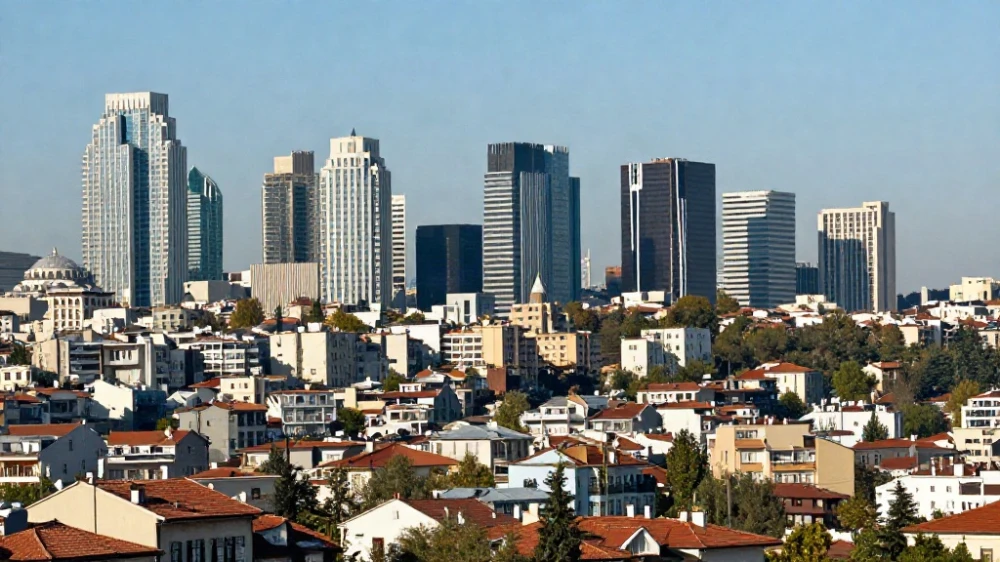
Introduction to Real Estate Pitfalls in Istanbul
Istanbul remains one of the world’s most dynamic real estate markets in 2026. Straddling two continents, this historic metropolis attracts billions of dollars in foreign direct investment annually. Investors from around the globe flock here to capitalize on modern developments, competitive square-meter pricing, and the highly attractive Turkish Citizenship by Investment program. However, navigating this vast market is not without its challenges. Buyers often make avoidable mistakes that turn highly promising ventures into financial burdens.
Whether you are a seasoned portfolio manager or a first-time buyer, identifying premium investment projects in istanbul requires a blend of local market knowledge, financial prudence, and legal vigilance. Many buyers approach the Turkish market with assumptions carried over from their home countries, failing to realize that local regulations, purchasing processes, and market dynamics in Turkey have unique characteristics. To secure your capital and maximize returns, you must learn how to identify common pitfalls and implement proven strategies to avoid them.
Mistake 1: Skipping Comprehensive Legal and Title Deed Due Diligence
One of the most critical errors foreign buyers make when exploring investment projects in istanbul is failing to conduct thorough legal due diligence on the property and the developer. In Turkey, the title deed (known as the Tapu) is the ultimate proof of ownership. However, a title deed can carry encumbrances, mortgages (ipotek), or legal disputes that are not immediately visible to an untrained eye. Buying a property without checking these records at the local Land Registry Directorate can lead to severe financial loss.
Furthermore, many off-plan developments face construction delays or zoning issues. Before committing capital to any of the off-plan investment projects in istanbul, it is vital to verify that the developer holds a valid construction license and that the project land is registered correctly. Another frequent oversight is ignoring the “Iskan” (habitation certificate). A building without an Iskan can face utility surcharges, legal penalties, and significant depreciation when you eventually decide to sell the asset.
To avoid these legal traps, always retain an independent, bilingual real estate lawyer who is not affiliated with the seller or developer. Your legal representative must verify the status of the Tapu, ensure there are no outstanding debts or liens on the property, and confirm that all municipal permits are fully secured before any funds are transferred.
Mistake 2: Falling for Unrealistic Return on Investment (ROI) Promises
The allure of high rental yields and rapid capital appreciation often blinds buyers to financial realities. Some marketing campaigns for investment projects in istanbul promise unrealistic annual rental guarantees, sometimes exceeding 10% in USD or EUR. In reality, while Istanbul offers highly competitive yields compared to Western European capitals, sustained net rental returns typically hover between 4% and 7%, depending on the location and asset class.
Often, developers offering excessively high rental guarantees inflate the initial purchase price of the property to fund these guarantees themselves. Once the guaranteed period ends, the owner is left with a property that yields a much lower market-rate rent and struggles to achieve capital growth because it was purchased above market value. Analyzing the sustainable rental market in the surrounding neighborhood is crucial before signing any contract.
When assessing potential investment projects in istanbul, always calculate the net yield rather than the gross yield. Factor in maintenance fees (Aidat), property taxes, management agency commissions, and potential vacancy periods. If a rental guarantee seems too good to be true, it almost certainly is. Look for projects backed by realistic, transparent historical data rather than speculative marketing promises.
Mistake 3: Neglecting Location Dynamics and Future Urban Planning
Istanbul is a massive sprawl of 39 distinct districts, each possessing its own unique socio-economic profile and real estate trajectory. A common mistake among foreign investors is assuming that any property close to the city center is a guaranteed success, or conversely, buying cheap properties on the far outskirts without analyzing accessibility. Neglecting the surrounding infrastructure when choosing investment projects in istanbul can severely limit your resale opportunities.
Successful investing in Istanbul requires a deep understanding of urban transformation zones, planned infrastructure projects (such as new metro lines, highway junctions, and bridges), and demographic shifts. For instance, a property located in an emerging district with a planned metro station opening in the near future will likely experience much higher capital appreciation than an overpriced unit in an already saturated central district.
According to urban planning data compiled by municipal authorities, access to rapid transit is the single most influential driver of property value in Istanbul. Therefore, when evaluating investment projects in istanbul, prioritize developments located within walking distance of the Metro, Metrobus, or Marmaray lines. Avoid projects that rely solely on road transport in areas notorious for severe traffic congestion.
Key Factors Evaluating Investment Projects in Istanbul
To help you navigate the decision-making process, the table below outlines the primary differences between central luxury projects, emerging suburban developments, and commercial real estate assets across Istanbul’s investment landscape.
| Project Class | Average Initial Cost | Target Rental Yield | Primary Growth Driver | Ideal Exit Timeline |
|---|---|---|---|---|
| Central Luxury Residential | High to Premium | 4% – 5.5% | Prestige, scarcity, tourist demand | 5 – 10 Years |
| Emerging Suburban Residential | Moderate / Affordable | 5% – 7% | Infrastructure expansion, metro lines | 3 – 5 Years |
| Commercial Real Estate | High | 6% – 8% | Corporate leasing, economic growth | 7+ Years |
By comparing these parameters, investors can better align their purchasing decisions with their personal financial goals, risk tolerance, and investment horizons. Selecting the right category among the available investment projects in istanbul ensures a more balanced and profitable portfolio.
Mistake 4: Overlooking Hidden Costs and Tax Liabilities
Many buyers calculate their budget solely based on the advertised sticker price of the property. This oversight can lead to severe cash flow issues, as purchasing real estate in Turkey involves several secondary transaction costs. Failing to account for these expenses when evaluating investment projects in istanbul can disrupt your financial planning and reduce your overall net return.
The primary transaction costs include the Title Deed Transfer Tax (Tapu Harcı), which is typically 4% of the declared property value (often split 2% each between the buyer and seller, though market customs vary). Additionally, you must factor in value-added tax (KDV), which ranges from 1% to 20% depending on the property type, size, and location. Other costs include notary fees, translation fees, compulsory earthquake insurance (DASK), and real estate agent commissions.
When planning your budget for investment projects in istanbul, it is wise to set aside an additional 6% to 8% of the purchase price to cover these administrative and legal expenses. Furthermore, consult a local tax advisor to understand your ongoing liabilities, including annual property taxes, rental income taxes, and potential capital gains taxes if you decide to sell the property within five years of purchase.
Mistake 5: Failing to Have a Clear Exit Strategy
An investment is only as good as its liquidity and exit potential. A frequent mistake among international buyers is purchasing highly niche or overpriced properties without analyzing who the future buyer will be. Some investment projects in istanbul cater almost exclusively to foreign buyers, which can limit your future resale market, especially if local demand for that specific property type or location is low.
The domestic Turkish market represents the vast majority of real estate transactions in the country. Therefore, to ensure high liquidity, you should invest in properties that appeal to both affluent Turkish buyers and international investors. If you buy a property in an area that lacks appeal for local families, young professionals, or students, you may struggle to sell the asset quickly when you decide to liquidate your holdings.
Before finalizing your purchase in any of the promising investment projects in istanbul, outline a clear exit timeline. If your goal is capital appreciation over a short-to-medium term, look for projects in rapid-growth zones. If you prioritize long-term wealth preservation, central historic districts are more appropriate. For a comprehensive look at optimizing your property liquidation process, review our professional guide to investment property exits to make informed decisions.
How to Select the Right Investment Projects in Istanbul Safely
Mitigating risks while capitalising on the lucrative opportunities presented by investment projects in istanbul requires a systematic approach. First, always prioritize working with reputable, established developers who have a proven track record of delivering projects on time and to a high standard of construction. Research their previous completions and speak to current residents if possible.
Second, ensure that your real estate consultant is fully licensed and registered with the Turkish authorities. Professional agencies provide invaluable market insights, handle negotiation processes, and guide you through the bureaucratic steps smoothly. They will help you compare different investment projects in istanbul objectively, steering you away from high-risk developments and pointing you toward high-growth corridors.
Lastly, always obtain an independent valuation report (Ekspertiz) before transferring any funds. This report is mandatory for foreign buyers and provides an objective, government-regulated assessment of the property’s true market value. This safeguard prevents you from overpaying and ensures that your chosen investment projects in istanbul are priced fairly and realistically relative to the broader market.
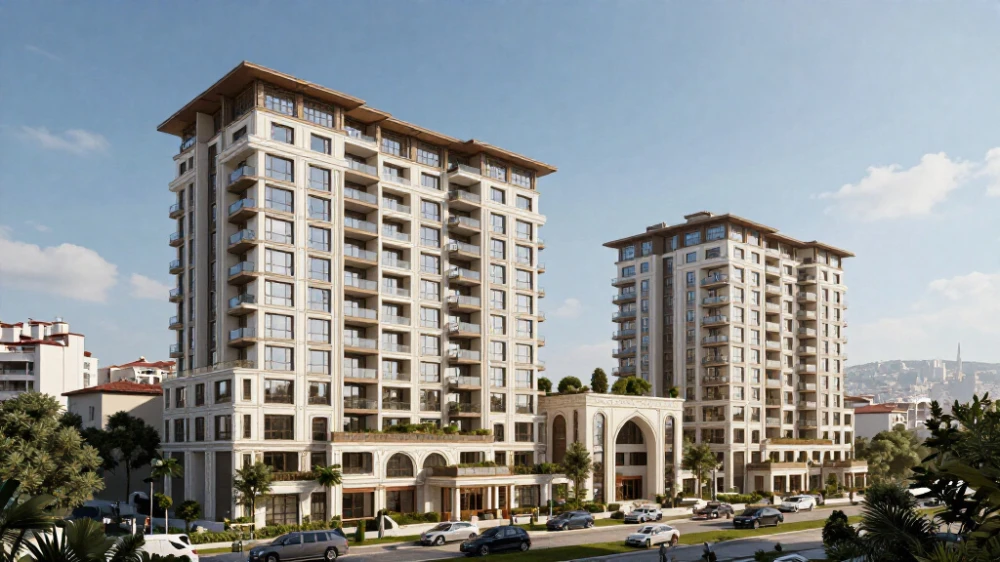
Property Spotlight
Explore one of the most prestigious coastal investment projects in Istanbul, offering unparalleled luxury and sea views in the heart of the city: “Yedi Mavi”.
By taking these structured precautions, keeping a close eye on infrastructure developments, and avoiding the common mistakes outlined in this guide, your venture into investment projects in istanbul can yield exceptional capital appreciation and secure, long-term rental income for years to come.
Frequently Asked Questions (FAQ)
Can foreigners safely buy off-plan investment projects in istanbul?
Yes, buying off-plan is highly common and safe, provided you conduct thorough due diligence. Ensure the developer is reputable, holds all necessary building permits, and that your sales contract is officially notarized at a notary public to secure your legal rights.
What is the minimum investment required for Turkish Citizenship in 2026?
In 2026, the minimum real estate investment required to qualify for the Turkish Citizenship by Investment program stands at $400,000 USD. The property (or properties) must be held for a minimum of three years from the date of the title deed transfer.
Do I need a local bank account to invest in real estate in Istanbul?
Yes, opening a local Turkish bank account is highly recommended and often mandatory for transactions, especially for obtaining citizenship. All foreign currency transactions for property purchases must be converted to Turkish Lira via the Central Bank of Turkey through an approved local bank.
Villas for Sale in Dubai: 7 Exclusive Strategies to Buy Your Perfect Luxury Home in 2026