
Table of Contents
- Istanbul Land Market Trends in 2026: A Strategic Investment Overview
- Why Partnering with the Best Land Investment Companies in Istanbul Matters
- Top High-Growth Districts for Land Investment in Istanbul
- Navigating Land Types, Zoning Laws, and Regulations in Turkey
- Strategic Exit Strategies for Land Investors
- How to Evaluate the Best Land Investment Companies in Istanbul
- Frequently Asked Questions (FAQ)
Istanbul stands at the intersection of Europe and Asia, operating as a vital economic engine, a global logistics gateway, and one of the most lucrative real estate markets in the world. As urban expansion accelerates across both sides of the Bosphorus, investors seeking high-yield opportunities are increasingly shifting their focus from completed residential units to land acquisition. Securing prime parcels requires specialized market intelligence, regulatory foresight, and local execution. Identifying and collaborating with the Best Land Investment Companies in Istanbul is crucial for capitalizing on raw land development, infrastructure-driven capital growth, and urban transformation projects in 2026.
Land investment in Istanbul offers capital growth potential that rarely exists in mature Western markets. However, the Turkish real estate ecosystem is unique. Zoning designations change, mega-infrastructure projects dictate growth corridors, and official title deed classifications dictate what can and cannot be built. Whether an investor aims to land-bank for long-term equity growth, build a commercial industrial park, or partner with local construction firms on residential master plans, working with seasoned advisory institutions ensures high profit margins while mitigating legal risks.
Istanbul Land Market Trends in 2026: A Strategic Investment Overview
The Istanbul land market in 2026 is defined by major infrastructure initiatives and decentralization. The mega-projects completed over the past decade—including the Third Bosphorus Bridge, the Northern Marmara Highway, and the expansive Istanbul Grand Airport—have permanently shifted the city’s growth vectors northward and westward. Raw land that was once considered agricultural perimeter has now evolved into high-density commercial, residential, and logistics zoning.
Urban planning initiatives across Istanbul prioritize resilient, modern infrastructure. Government incentives encourage the redevelopment of underutilized industrial land and the strategic zoning of expansion corridors. According to data provided by the official Presidency of the Republic of Türkiye Investment Office, institutional foreign direct investment in Turkish real estate continues to expand, driven by land acquisition for strategic industrial, commercial, and mixed-use development projects.
Key drivers influencing land values in Istanbul include:
- Infrastructure Expansion: The continued buildout of rail links, highway extensions, and port facilities creates immediate value uplifts for surrounding plots.
- Industrial & Logistics Demand: Global supply chain realignments have positioned Istanbul as a primary manufacturing and distribution hub between Europe and the Middle East, sparking demand for industrial-zoned land (Sanayi İmarlı Arsa).
- Residential Urban Sprawl: Demand for modern, master-planned gated communities in outer districts like Arnavutköy, Çatalca, and Silivri has increased the value of residential land (Konut İmarlı Arsa).
- Limited Land Supply: Geographic constraints—bounded by the Black Sea to the north and the Sea of Marmara to the south—naturally limit available land, creating long-term structural upward pressure on parcel prices.
Why Partnering with the Best Land Investment Companies in Istanbul Matters
Land acquisition is fundamentally different from purchasing finished real estate. While buying an apartment involves evaluating square footage, finishes, and current rental yield, land investment requires analyzing future zoning plans (İmar Planı), soil suitability, road access rights, elevation profiles, and municipal utility connections. Investors often ask what sets the Best Land Investment Companies in Istanbul apart from general real estate brokers, and the answer lies in deep technical, legal, and financial expertise.
A high-level land consultancy provides comprehensive end-to-end guidance, including:
- Title Deed Verifications (Tapu Inquiries): Verifying whether a property has clean ownership, encumbrances, liens, or municipal restrictions (şerh/ipotek).
- Zoning Status Analysis (İmar Durumu): Determining exact Floor Area Ratios (KAKS/TAKS), maximum height allowances, and functional classifications.
- Land Cadastral Surveying (Aplikasyon ve Çap): Ensuring exact physical boundaries match official government registry coordinates.
- Feasibility and Highest & Best Use (HBU) Studies: Calculating projected Return on Investment (ROI) and Internal Rate of Return (IRR) across different development scenarios.
Navigating financial strategies is equally critical during the acquisition phase. Institutional and private investors must evaluate liquidity structures, financing options, and tax implications before deploying capital. Comparing cash purchase versus mortgage investment decisions allows investors to optimize their capital allocation strategy, ensuring maximum return on equity while maintaining financial flexibility during land banking periods.
Working alongside the Best Land Investment Companies in Istanbul ensures that zoning status updates are identified long before they are publicized, allowing clients to buy at raw land rates prior to institutional repricing.
Top High-Growth Districts for Land Investment in Istanbul
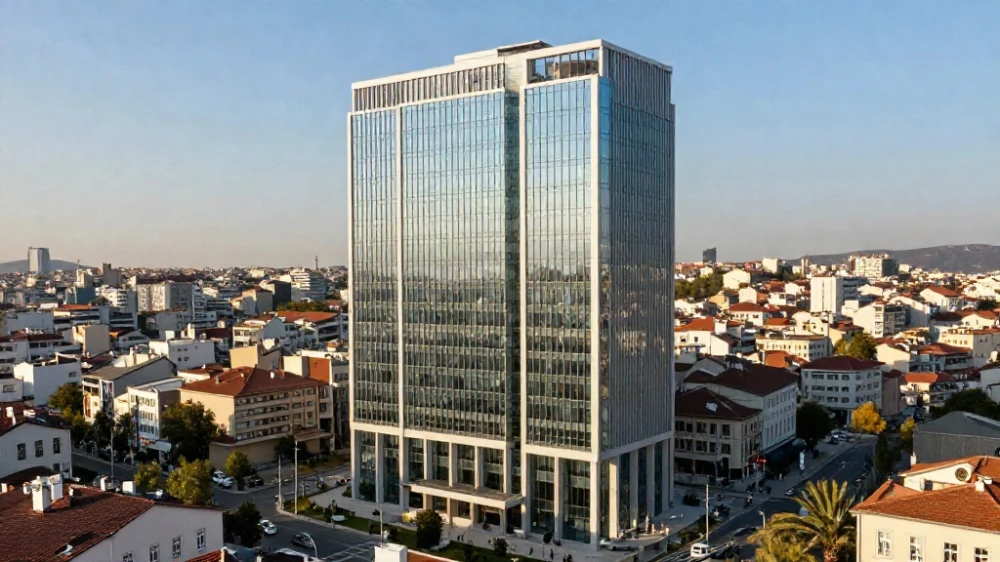
Selecting the right location is the single most critical factor determining land investment success. Istanbul is a vast megacity comprising 39 distinct municipalities, but land opportunities are concentrated in specific growth corridors where municipal development plans align with private investment.
1. Arnavutköy (European Side)
Arnavutköy is arguably the most dynamic land investment market in Turkey. Positioned adjacent to Istanbul Airport and framing the planned logistics corridors, this region has transitioned from rural land into prime investment real estate. Residential and commercial zoning conversions in Arnavutköy continue to deliver substantial capital appreciation. The Best Land Investment Companies in Istanbul actively target parcels in sub-districts like Haraççı, Bolluca, and Taşoluk due to their immediate proximity to major transit nodes.
2. Çatalca & Silivri (European Outer Ring)
For investors seeking larger parcels at competitive price points per square meter, Çatalca and Silivri represent ideal expansion zones. Çatalca is renowned for agricultural land transitioning into farm-estate holdings and strategic logistics hubs along the Northern Marmara Highway. Silivri offers extensive coastal and inland opportunities, ideal for residential master-planned villa developments and suburban commercial centers.
3. Başakşehir & Büyükçekmece (European Infill Zones)
In districts closer to the established city center like Başakşehir and Büyükçekmece, raw land is scarce, but high-density residential and commercial parcels frequently become available through urban regeneration or municipal land sales. Leading developers rely on the Best Land Investment Companies in Istanbul to perform title deed verifications and structure parcel assemblies in these premium infill zones.
4. Pendik, Tuzla & Şile (Asian Side Corridors)
On Istanbul’s Asian side, Tuzla and Pendik serve as the city’s primary industrial and maritime logistics backbone, driving high demand for commercial and storage-zoned land near Sabiha Gökçen International Airport. Meanwhile, Şile offers eco-tourism, boutique resort, and luxury residential plot opportunities along the Black Sea coastline, appealing to high-net-worth individual investors.
Real-World Example: Strategic Parcel Assembly in Arnavutköy
In a recent institutional acquisition project, an international investment group partnered with local land specialists to acquire four contiguous, unzoned agricultural parcels totaling 35,000 square meters in Arnavutköy. By analyzing municipal master plans, the land advisory team anticipated a formal zoning reclassification to residential status (Konut İmarlı). Within 24 months of purchase, municipal zoning was finalized, granting a 1.2 KAKS development density. The land’s market valuation increased by 185% in USD terms, demonstrating the power of pre-zoning land banking executed alongside market experts.
Navigating Land Types, Zoning Laws, and Regulations in Turkey
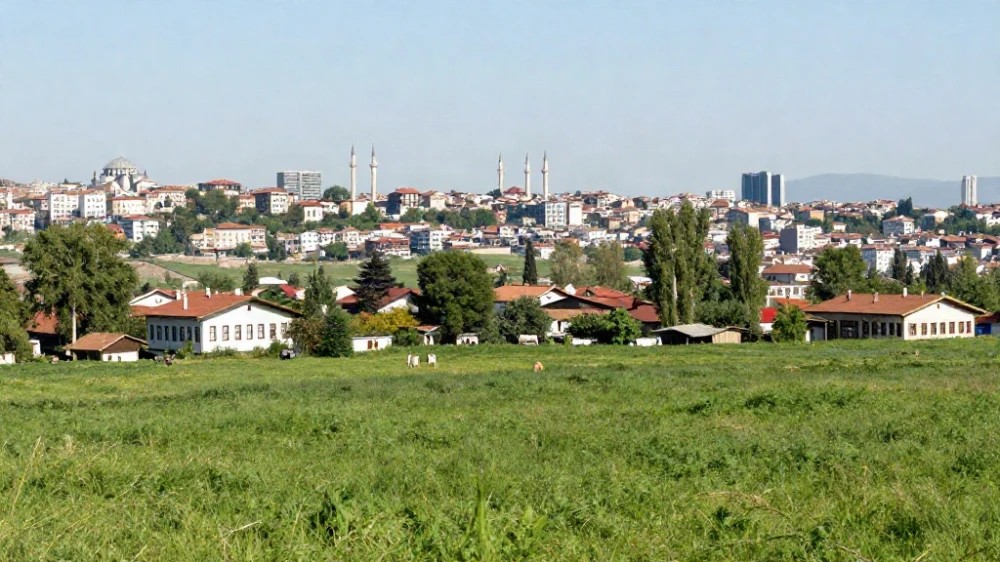
To invest safely in Turkish land, buyers must understand the primary land classifications used in the General Directorate of Land Registry and Cadastre (Tapu ve Kadastro Genel Müdürlüğü). Entering a land deal without understanding these definitions can result in tied-up capital or regulatory delays.
The two main classifications of land in Turkey are:
1. Arsa (Zoned Land)
An Arsa is a piece of land that has received official municipal zoning approval (İmar) and is legally cleared for construction. Zoned plots command higher prices per square meter because the development parameters are fixed. Key sub-categories include:
- Konut İmarlı Arsa: Designated for residential buildings, apartments, or villa developments.
- Ticari İmarlı Arsa: Designated for commercial projects, office towers, retail centers, or hotels.
- Sanayi / Lojistik İmarlı Arsa: Designated for factories, warehouses, manufacturing, and distribution infrastructure.
- Karma Kullanım (Mixed-Use): Flexible zoning allowing both commercial and residential construction.
2. Tarla (Unzoned / Agricultural Land)
A Tarla is agricultural or non-zoned land. Tarlas are significantly cheaper per square meter than Arsas and represent the primary vehicle for high-multiplication land banking. However, building permanent concrete structures on agricultural land without special permits or official zoning conversion is illegal. The Best Land Investment Companies in Istanbul excel at identifying agricultural land positioned in the direct path of municipal expansion, allowing investors to buy early before official zoning status turns a Tarla into an Arsa.
Collaborating with the Best Land Investment Companies in Istanbul protects your capital against legal ambiguities, ensuring that every plot evaluated undergoes rigorous due diligence regarding environmental protection zones, watershed restrictions (İski Koruma Alanı), and military reservation zones.
Strategic Exit Strategies for Land Investors
A successful real estate investment is defined not just by how an asset is acquired, but by how effectively value is realized upon exit. Land investment offers flexible exit strategies depending on market conditions, investor timelines, and risk tolerance.
Common exit mechanisms include:
- Direct Land Sale (Capital Appreciation): Holding raw or newly zoned land until local market demand drives parcel prices up, then reselling the land directly to institutional developers or private buyers.
- Revenue-Sharing / Flat-For-Land Construction Agreements (Kat Karşılığı İnşaat Sözleşmesi): Partnering with an established Turkish construction company where the landowner provides the land, the developer builds the project at their own expense, and finished units (e.g., 40% to 50% of completed apartments or commercial spaces) are awarded back to the landowner.
- Joint Venture Development (Ortaklık): Developing the master plan independently or in partnership with specialized builders to capture both land appreciation profits and full development margins.
Before entering any multi-year holding period, investors should review a complete guide to investment property exits to build structured divestment strategies, model tax-efficient capital repatriations, and establish liquid exit triggers.
Furthermore, the Best Land Investment Companies in Istanbul maintain direct relationships with major local construction conglomerates and institutional funds, providing clients with immediate, private off-market exit avenues when capital realization is required.
How to Evaluate the Best Land Investment Companies in Istanbul
Choosing the right land investment firm requires thorough research. Due to the high financial stakes involved in land transactions, investors should evaluate potential corporate partners against strict qualitative criteria.
When comparing options, the Best Land Investment Companies in Istanbul always provide transparent historical ROI data, full legal support through licensed Turkish real estate attorneys, and clear feasibility studies. Prospective investors should request proof of past land assembly projects from the Best Land Investment Companies in Istanbul to confirm their track record in municipal planning, title clearing, and infrastructure access negotiation.
Key selection criteria include:
| Evaluation Criterion | What to Look For | Why It Matters |
|---|---|---|
| Cadastral & Zoning Expertise | In-house urban planners and GIS mapping capabilities. | Ensures physical land coordinates match digital land registry maps precisely. |
| Legal Transparency | Independent legal audit of title deeds before contract execution. | Guarantees protection against unexpected liens, mortgages, or municipal rights of way. |
| Local Network & Off-Market Access | Direct access to private land holdings and municipal auctions. | Allows investors to secure prime parcels below open-market broker prices. |
| Post-Acquisition Support | Land boundary fencing, agricultural management, and zoning petition tracking. | Maintains land value and prevents illegal encroachment or boundary disputes during holding periods. |
By leveraging the insights of the Best Land Investment Companies in Istanbul, global buyers navigate currency fluctuations smoothly, optimize title transfer fees (Tapu Harcı), and take full advantage of statutory tax exemptions available for strategic land investments.
In fast-expanding districts like Arnavutköy, the Best Land Investment Companies in Istanbul identify off-market parcels poised for infrastructure expansion, giving early investors a distinct competitive advantage. Seeking advisory services from the Best Land Investment Companies in Istanbul helps structure joint-venture agreements with certified local builders, maximizing safety and profitability. Ultimately, partnering with the Best Land Investment Companies in Istanbul transforms complex land acquisition into a streamlined asset strategy.
Frequently Asked Questions (FAQ)
Can foreign citizens buy land in Istanbul in 2026?
Yes, citizens of foreign nationalities permitted to purchase real estate in Turkey can buy land in Istanbul. However, foreign land acquisitions are subject to specific legal limits: a foreign individual can buy up to 30 hectares of land across Turkey in total, and the land parcel cannot exceed 10% of the private land area in any given district. Additionally, if a foreign national purchases unzoned land (Tarla) or zoned land without an existing structure, Turkish law requires them to submit an official architectural project for development to the relevant ministry within two years of acquisition.
What is the difference between zoned land (İmarlı Arsa) and unzoned land (İmarsız Tarla) in Turkey?
Zoned land (İmarlı Arsa) has official municipal planning permission that specifies exactly what type of structure can be built (residential, commercial, industrial), along with exact height and coverage ratios (KAKS/TAKS). Construction can begin as soon as building permits are issued. Unzoned land (İmarsız Tarla) is designated primarily as agricultural land or natural reserve. While agricultural land is cheaper and offers significant upside if re-zoned in the future, permanent concrete construction is prohibited until municipal authorities extend official zoning plans to cover the parcel.
How do the Best Land Investment Companies in Istanbul assist with foreign ownership regulations?
The Best Land Investment Companies in Istanbul assist international investors by managing end-to-end legal compliance. This includes securing official military zone clearances, obtaining professional property valuation reports (Ekspertiz Raporu) mandatory for foreign title transfers, verifying title deed authenticity at the land registry office, assisting with bank account openings and foreign exchange purchase certificates (DAB), and ensuring land purchases align with eligibility criteria for programs such as Turkish Citizenship by Investment where applicable.